The Best Heavy Bombers in World War 2 is, of course, a purely subjective article. Depending on which criteria one uses in making lists like this, a whole new set of bombers could appear in five different articles. Still, we here at HiTech Creations, the makers of Aces High, the leader in World War 2 simulators, are confident that the five listed here would appear on most lists.
Shall we begin?
THE AVRO 683 LANCASTER
First, some clarification: heavy bombers are designated as long-range strategic bombers with four engines. Only the United States and Great Britain produced heavy bombers in such numbers as to be significant during World War 2, so only bombers produced by those two nations are on this list.
First up we have the Avro 683 Lancaster, produced by the UK. The Lancaster was responsible for most of the night raids made over Germany in population centers It reached maximum use, and produced maximum effects, as early as 1942 after the UK realized the need for a long-range bomber following the Battle of Britain. The Lancaster could carry an internal load of 18,000 pounds with a crew of seven, and was capable of carrying 12,000 pound and 22,000 pound bombs, the only bomber in the world to do so. It had a maximum speed of 275 mph and a maximum range of 3,000 miles, with a service ceiling of 28,000 feet. It was the King of the European Theater during the war.
THE BOEING B-17 FLYING FORTRESS
Unlike the Lancaster, the B-17 was used in the European Theater as well as the Western Front of World War 2. It’s main mission in Europe was the destruction of German military and industrial targets, and it completed its mission with gusto. It did not have the range and bomb load of the B-24, but its armaments and outer protections made it more resistant to damage…thus the nickname the Flying Fortress.
It was propelled by four 1,200 hp Wright engines and had a maximum weight of 60,000 pouns. It had a range of 1,100 miles and a max speed of 295 mph. In addition, it had a maximum altitude of 35,000 feet, making it a tactical problem for the Axis interceptors.
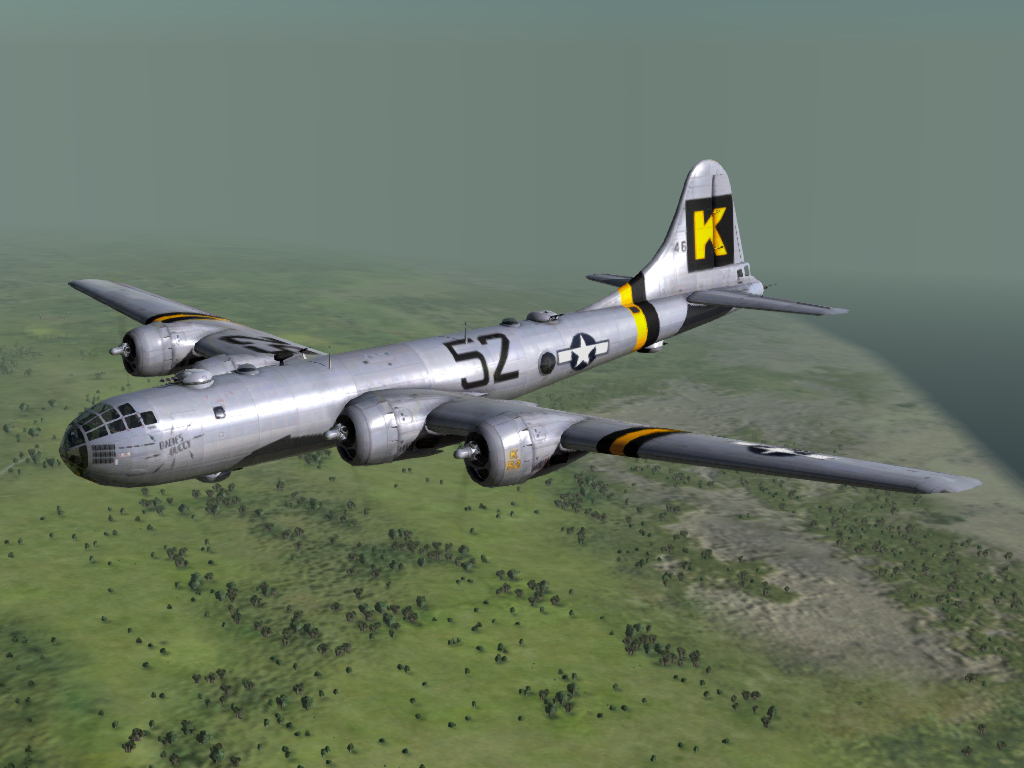
THE BOEING B-29 SUPERFORTRESS
How’s that for a nickname? Seems like you would be pretty confident flying in a plane called a superfortress, right? It replaced the B-17 in 1943 and was used in Europe and the Pacific Theater during World War 2. Towards the end of the war its primary mission was to bomb Japanese cities. The B-29 carried a crew of fourteen mean, had a ceiling in excess of 35,000 feet, had a loaded weight of 135,000 pounds, a maximum speed of 350 mph, and a range of 4,100 miles.
In other words, it was a beast, and unequaled by any other aircraft in the war. It remained effective during the Korean War, and only in the mid-1950s did anyone construct an interceptor fighter capable of taking on the B-29.
THE CONSOLIDATED VULTEE B-24 LIBERATOR
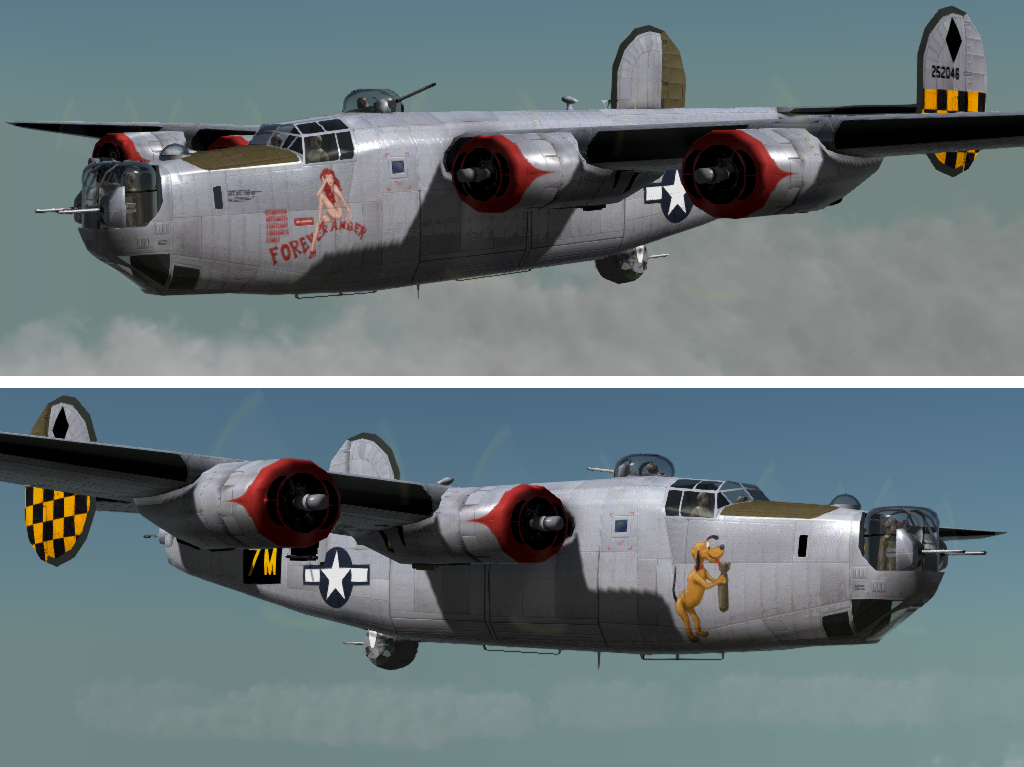
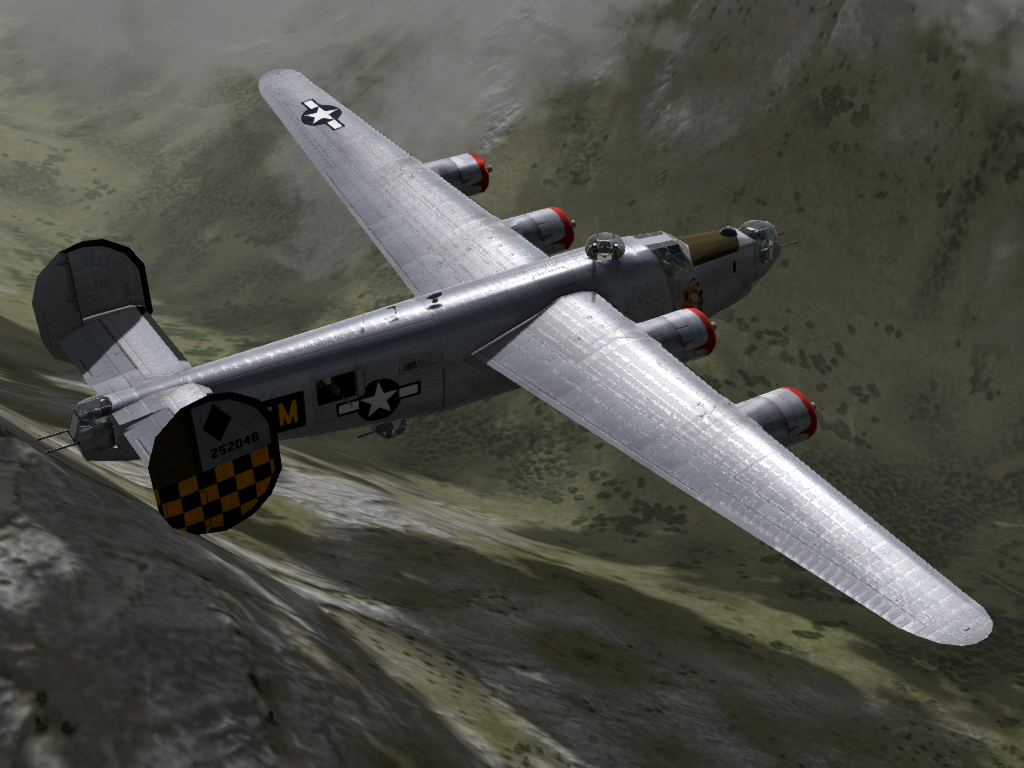
The Liberator first flew in 1939 and went into production in 1940. It remained in service until 1945 and over 19,000 were produced. It was not only sold to the RAF and used by Great Britain, but it was also used by the U.S. Navy for long-range bombing runs. It had a maximum speed of 297 mph and a maximum range of 1,540 miles with a maximum internal bomb load.
Join us, Aces High, each week for more interesting articles about World War 2, and we invite you to try Aces High for great thrills, the leading flight simulator, to experience the thrills of warfare from the safety of your home.