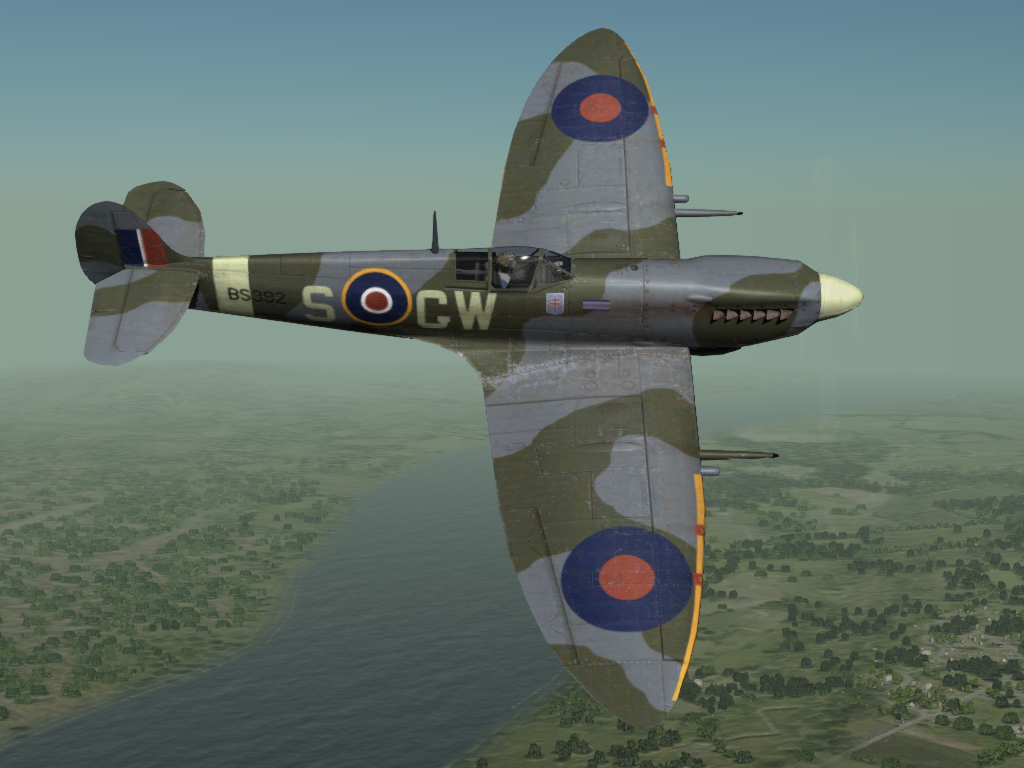
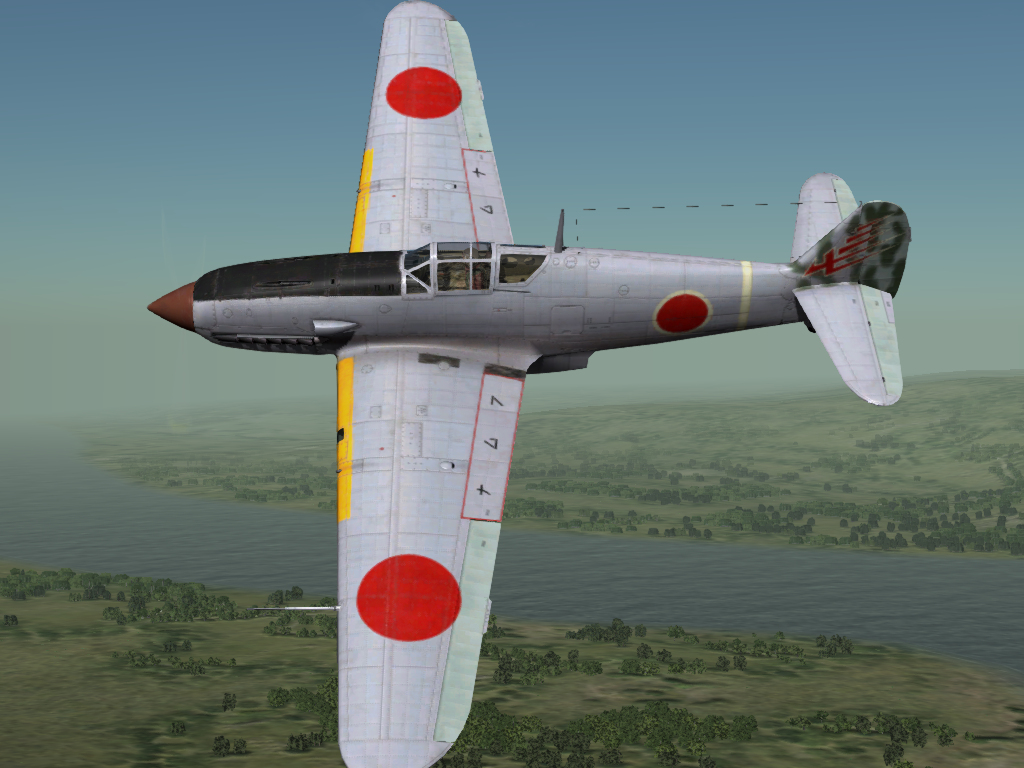
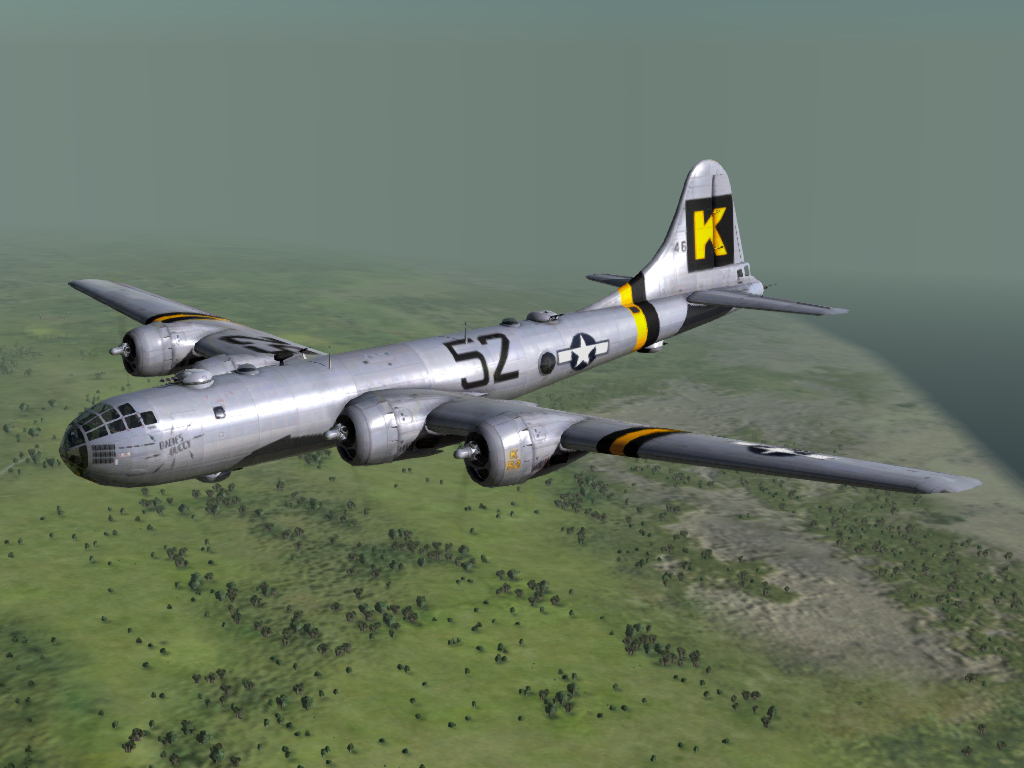
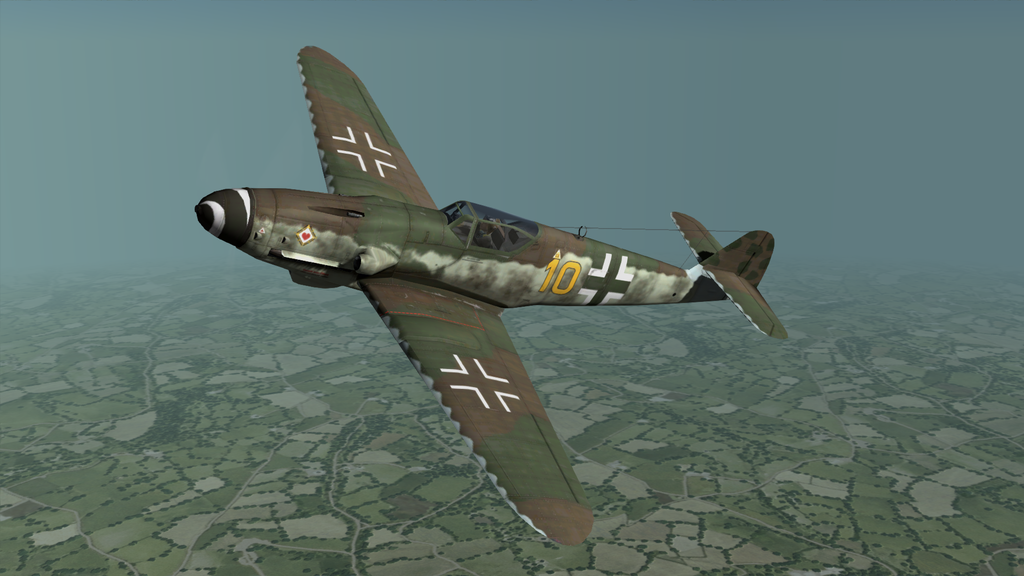
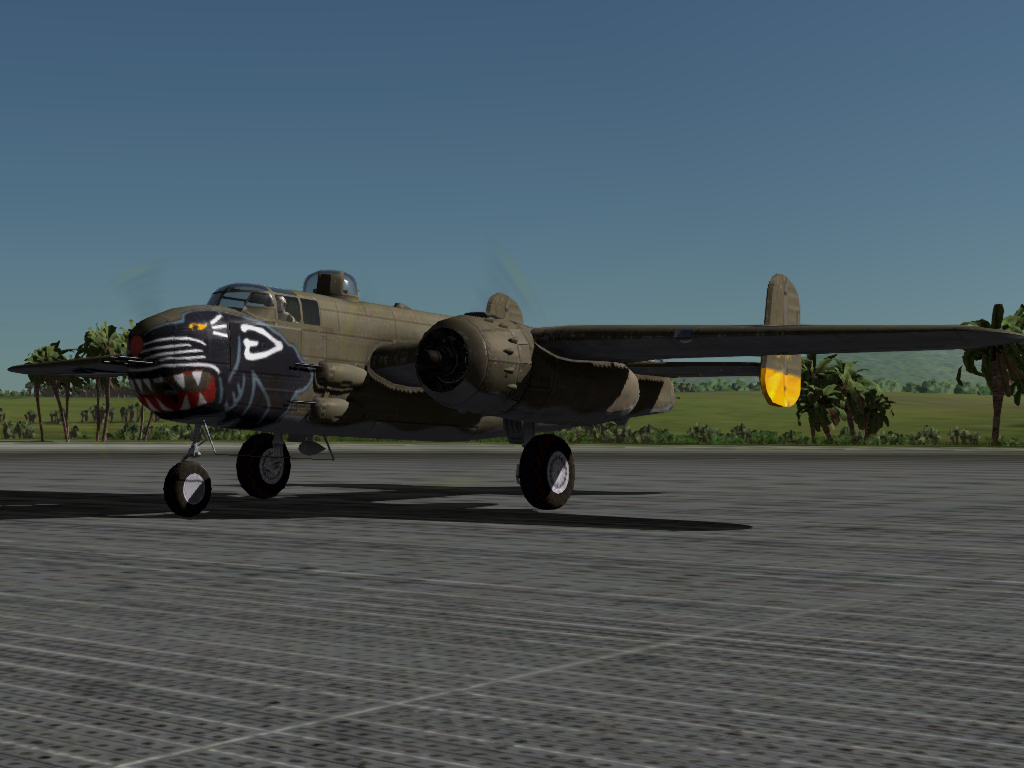
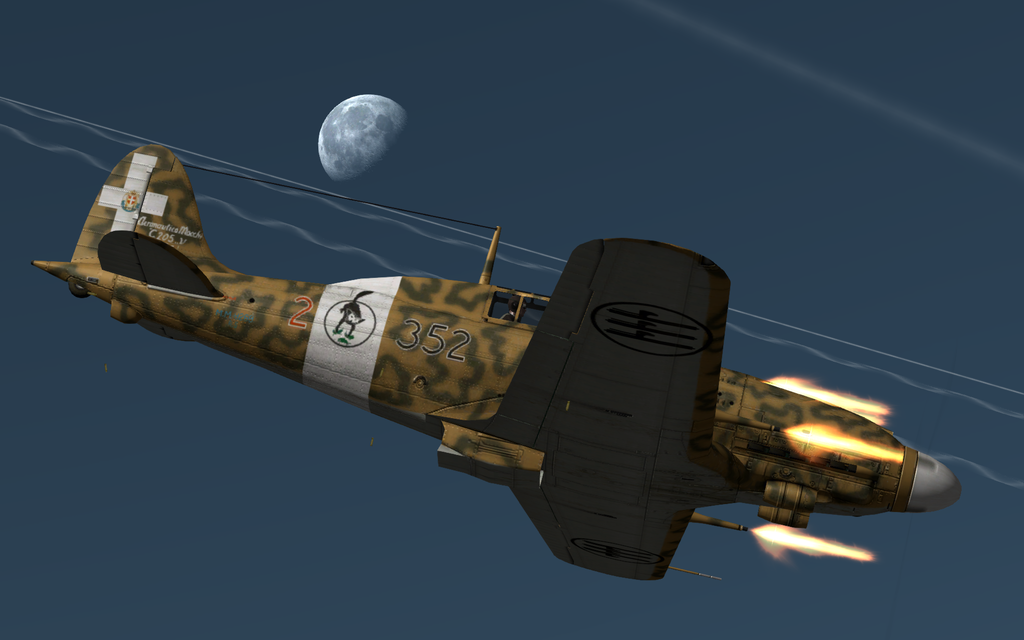
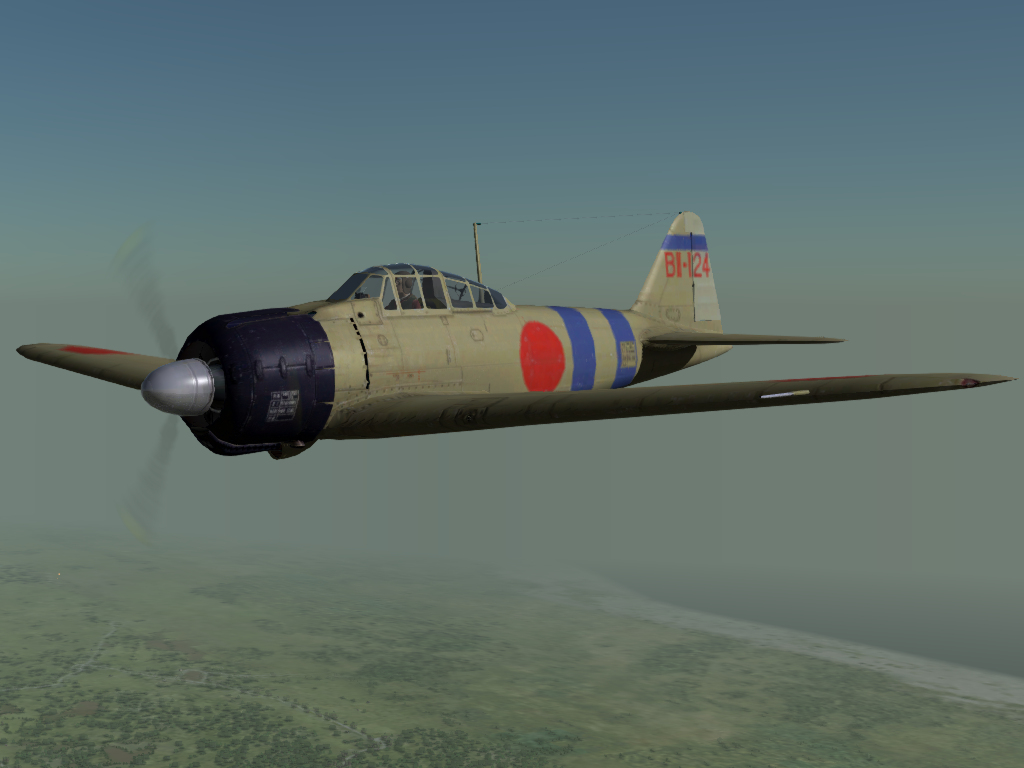
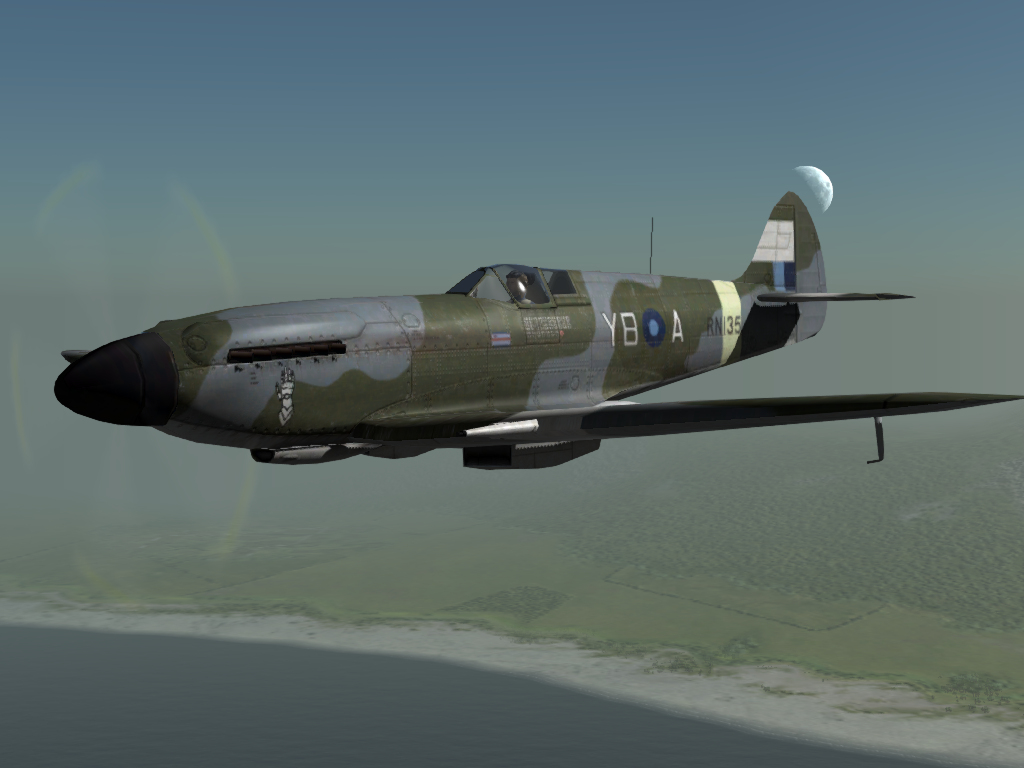
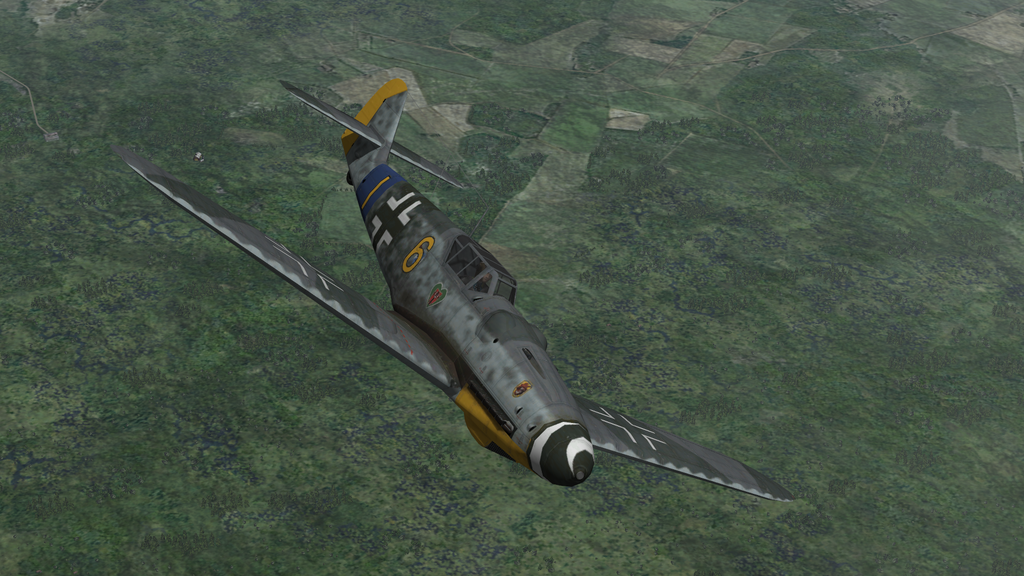
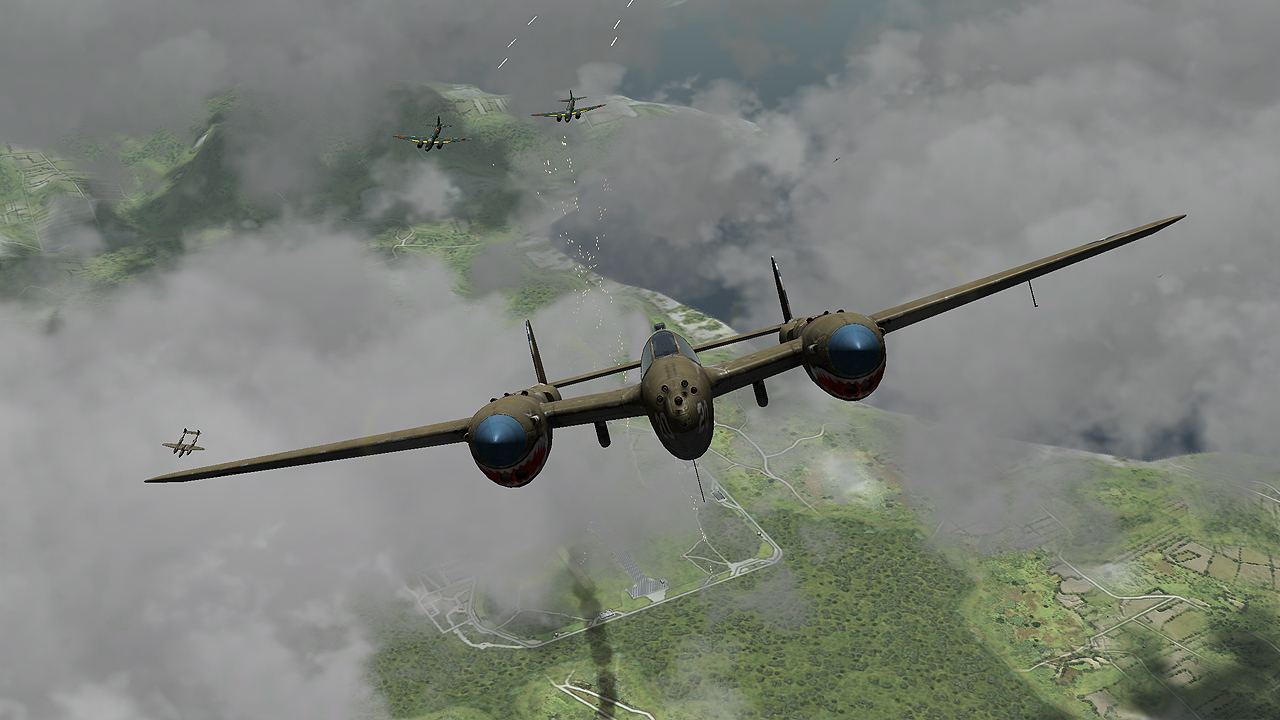
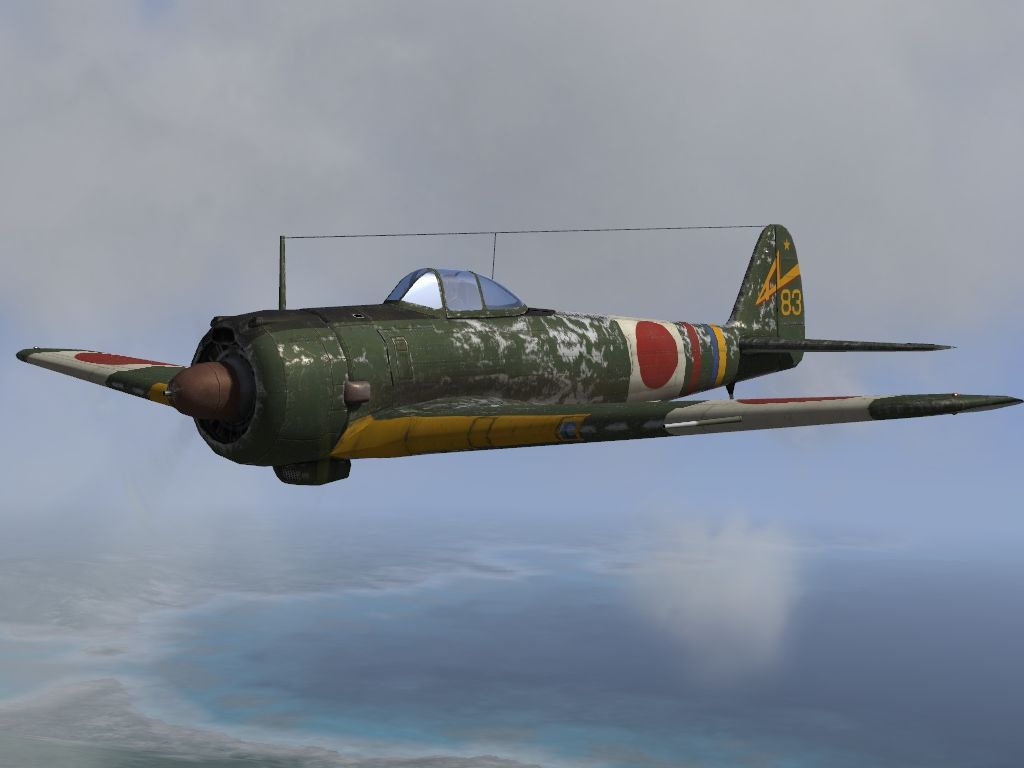
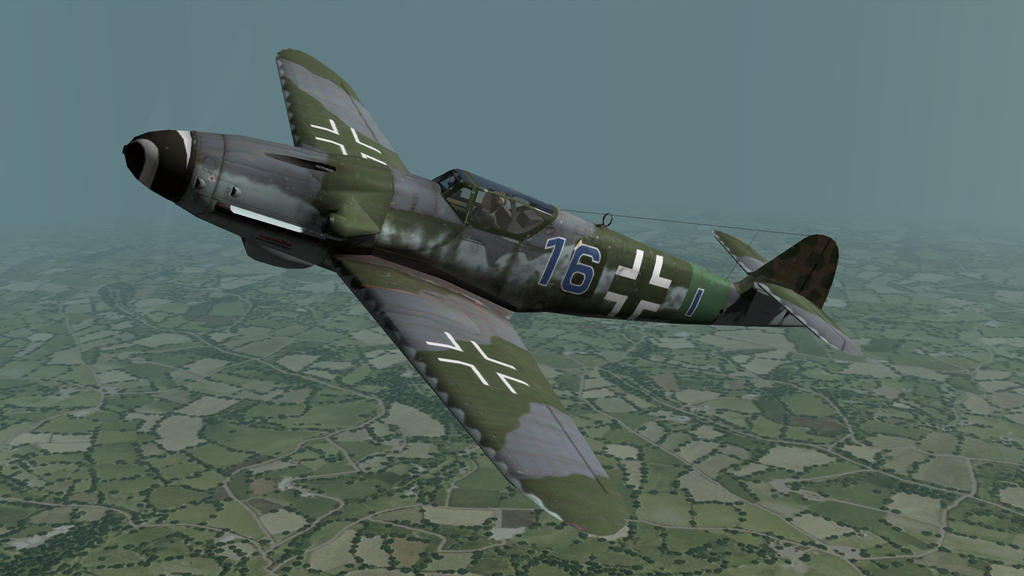
Aircraft Carriers of World War 2 will be highlighted today, brought to you by Aces High, the leader in World War 2 flight simulators, made by HiTech Creations.
For those of you who do not know, an aircraft carrier is a warship that also is used as a floating airbase. It has a full flight deck and can accommodate the take-offs and landings of fighter aircraft. The original aircraft carriers were made in the early twentieth century; they were wooden ships and they were used to carry balloons. Today they are nuclear-powered warships used to deploy almost any kind of aircraft imaginable.
Today there are thirty-seven aircraft carriers active on the world’s oceans, operated by twelve navies. The United States has ten nuclear-powered super carriers, easily the largest in the world, and an additional nine amphibious assault ships which can carry helicopters and up to twenty-five fighter jets.
There are various classifications of aircraft carriers, depending on their size and the navy they belong to. They can be referred to as the following: amphibious assault ship, anti-submarine warfare carrier, escort carrier, fleet carrier, flight deck cruiser, helicopter carrier, light aircraft carrier, sea control ship, seaplane tender, or supercarrier. There are also four main configurations of aircraft carriers currently in service. They are: catapult assisted take-off but arrested-recovery, short take-off but arrested recovery, short take-off vertical-landing, and helicopter carrier.
The first true aircraft carrier was documented on May 9, 1912, when the first airplane took off from the deck of the British Royal Navy’s HMS Hibernia, and the first one used in warfare was the Imperial Japanese Navy ship Wakamiya in 1914 during World War I. Technology then advanced rather quickly so that by the end of World War 1, most major powers had flattop vessels from which they could launch aircraft.
And then there was World War 2. The aircraft of World War 2 needed a place to land, and the aircraft carriers were the logical solution.
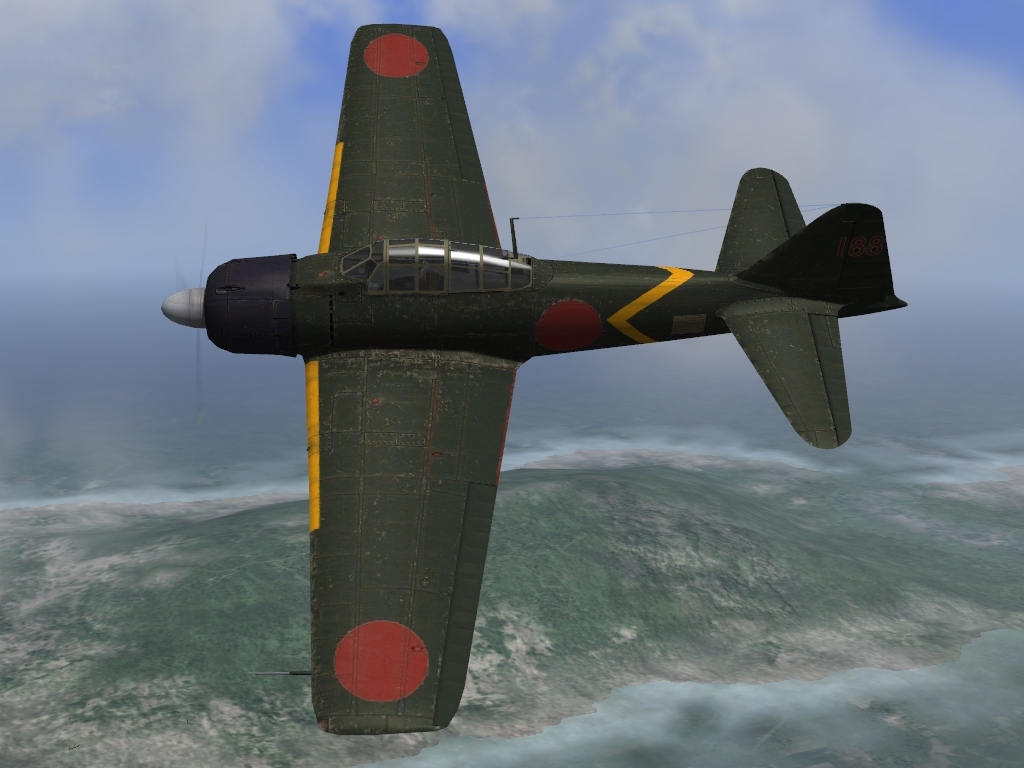
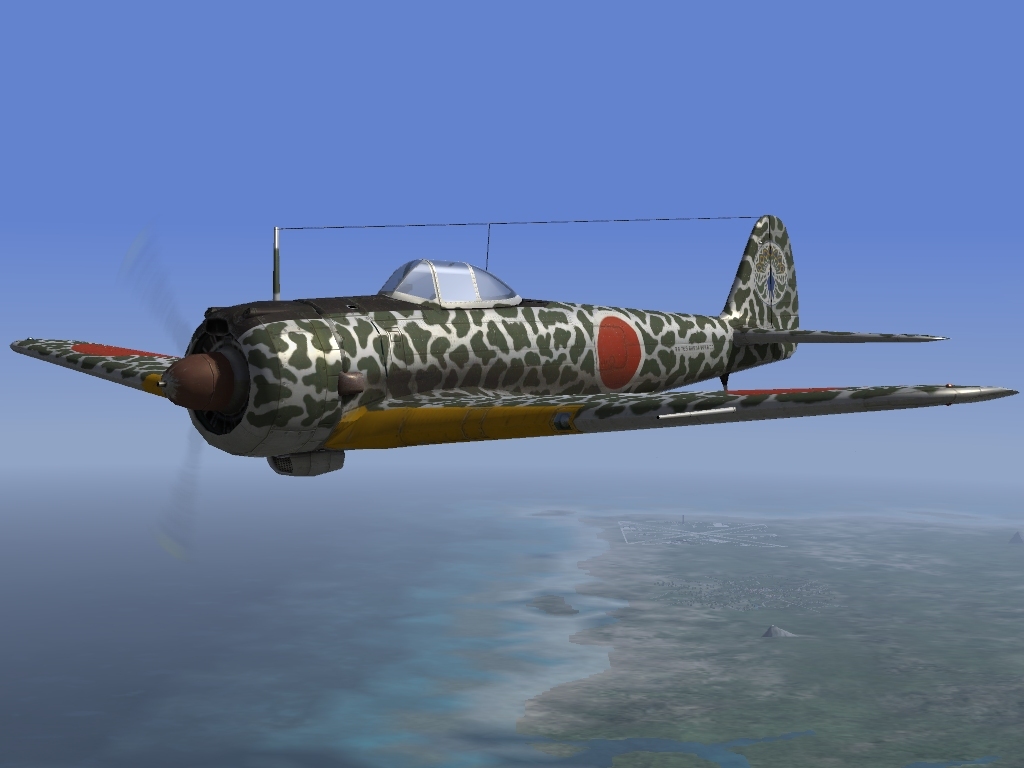
World War 2: truly worldwide, saw the aircraft become an integral part of warfare, and because aircraft of that day had a limited flying range, it was necessary to either find remote landing strips or take the landing strips to the high seas. The precursor to all other major naval assaults was conducted at Pearl Harbor, when six Japanese aircraft carriers singlehandedly turned history upside down. From that moment until the end of World War 2, warfare was drastically changed. Production immediately increased and the aircraft carrier was then seen as an integral part of all battle plans. They continued to evolve during the war, with the USS Independence representing the ultimate sea-air fighting machine.
Join us at Aces High each week for more World War 2 information. We live and breathe World War 2 here at HiTech Creations, and we hope, by sharing this information with you, that we can make you a historical nerd just like all of us. And of course, our ulterior motive would be to get you interested in playing Aces High, the combat simulator with attitude. Aces High takes you right into the heart of the battle, and tests your flight sim skills against the best players in the world.
Are you up for the challenge?