The scorched-earth policy is a military strategy used throughout history, most notably in the European Theater, targeting anything that could prove useful for the enemy in a particular area, and destroying those assets. This could include food, communication centers, transportation, industry, and even, in extreme circumstances, people.
It has been seen by advancing armies as they march through enemy territory, and it has been seen by retreating armies as they leave their home territory. One of the most notable examples of the scorched-earth policy was General Sherman’s March to the Sea during the American Civil War. During that march through southern states, Sherman ordered the destruction of virtually all food sources, all farms, all industries, and all railroads, thus crippling the southern government and making it virtually impossible for that government to replenish much-needed supplies. General Sheridan also did this in the Shenandoah Valley of that same war, and retreated Southern troops would often destroy rail lines to prevent the North from following them.
The scorched-earth policy, in particular the destruction of a food and water supply for civilian populations, was finally banned from warfare at the Geneva Convention in 1977. Article 54 of Protocol I of that Convention states: “It is prohibited to attack, destroy, remove, or render useless objects indispensable to the survival of the civilian population, such as foodstuffs, agricultural areas for the production of foodstuffs, crops, livestock, drinking water installations and supplies, and irrigation works, for the specific purpose of denying them for their sustenance value to the civilian population or to the adverse Party, whatever the motive, whether in order to starve out civilians, to cause them to move away, or for any other motive.”
During World War 2, the scorched-earth policy was used in several difference instances. When Germany attacked the Soviet Union in June, 1941, many district governments in the Soviet Union in the Eastern Theater initiated a partial scorched-earth policy to deny the German soldiers foodstuffs and supplies. Telegraphs were destroyed, as were some rail lines and bridges. It was used again by Germany towards the end of the war to slow the advancement of Allied troops into Germany. Also in Finland, on the Western Front of World War 2, as the Germans retreated from that land towards Norway, they scorched northern Finland to slow their pursuers.
On a more limited scale, it was quite common in most modern wars, and definitely during WW2, for rail lines to be destroyed and bridges to also be destroyed, causing massive delays are opposing armies tried to advance. That type of scorched-earth policy is still allowed in warfare today since it does not cause immediate harm to the civilian population.
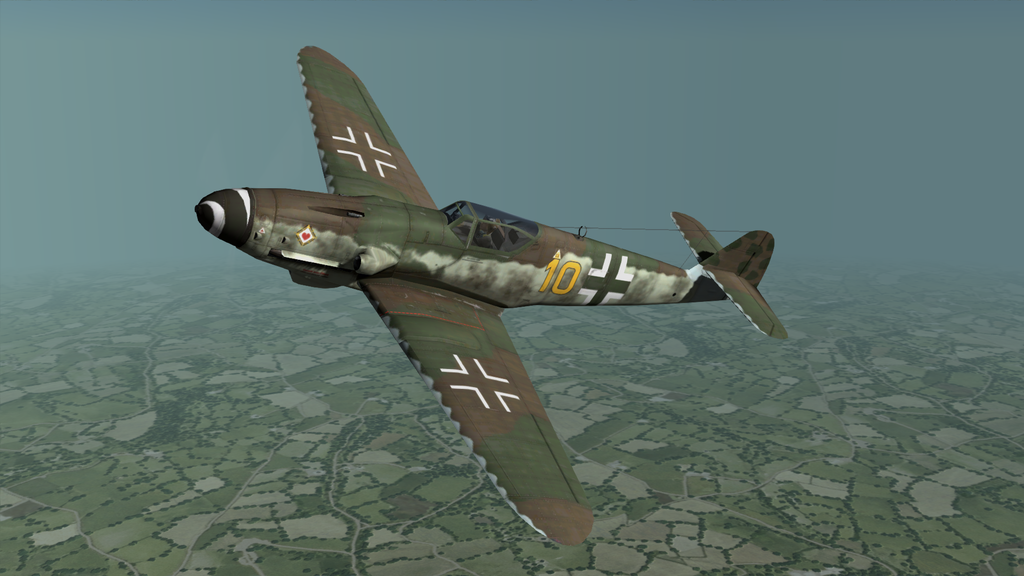
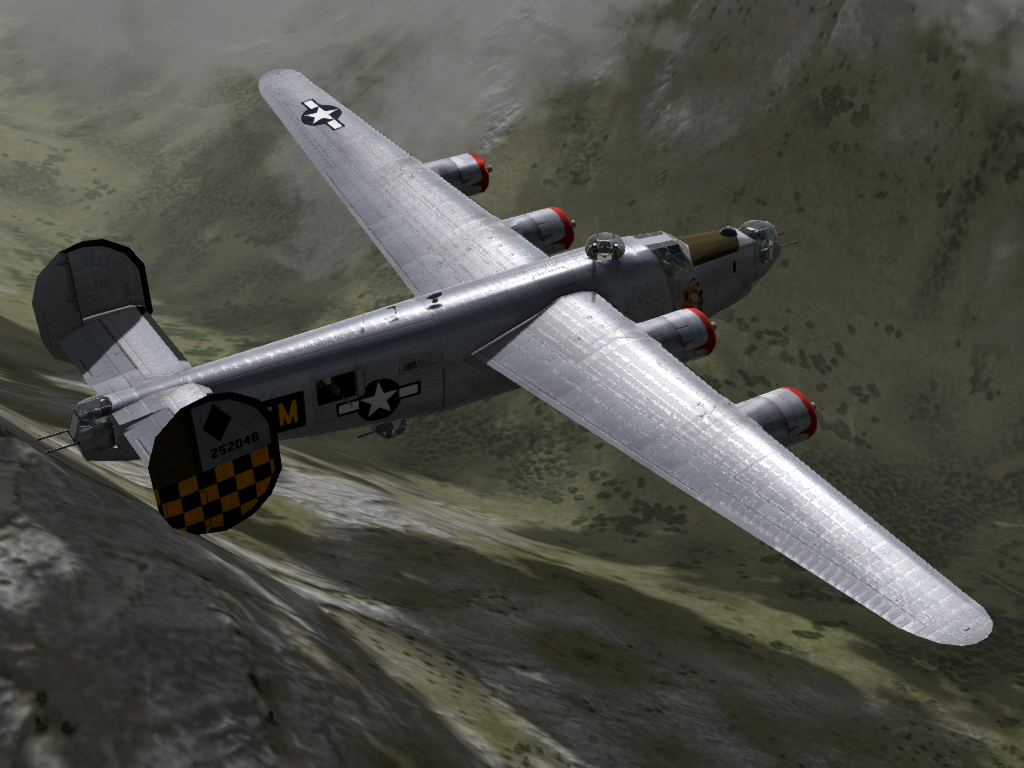
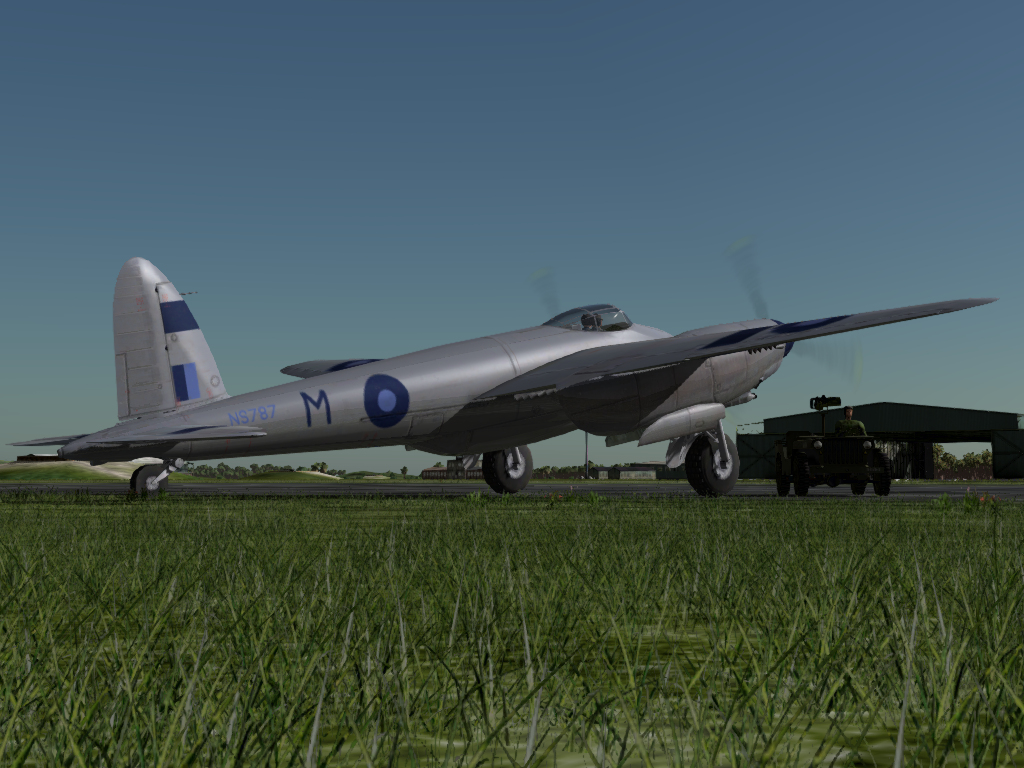
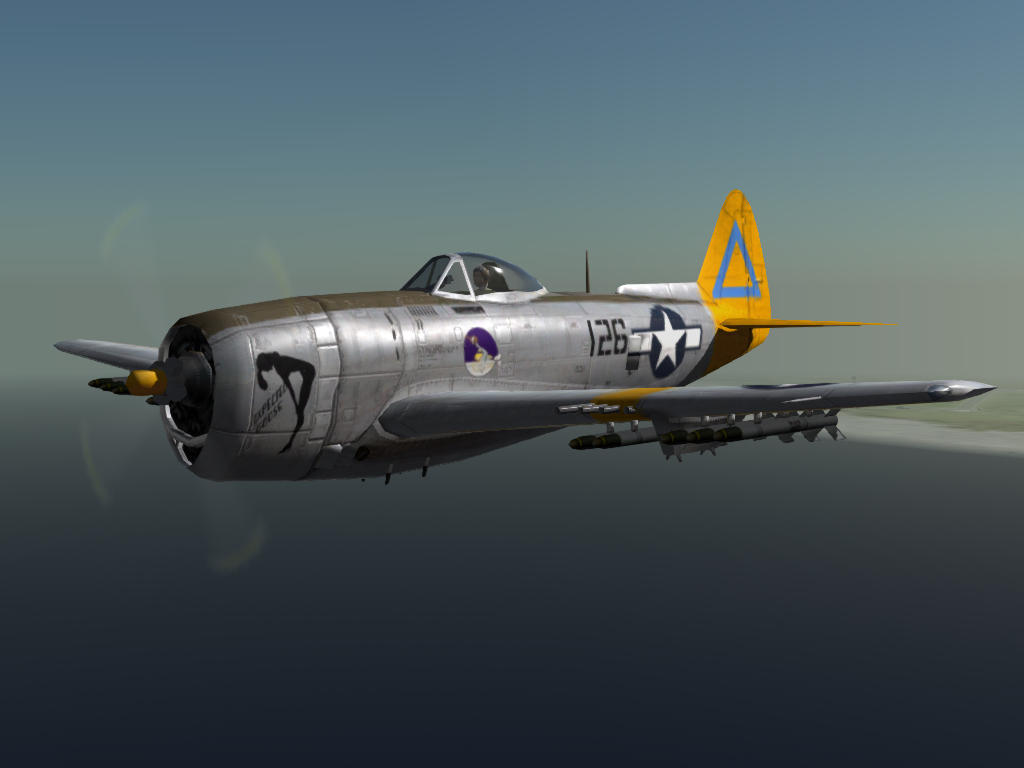
Are you a World War 2 student? Are you interested in all things regarding World War 2? If so, join us each week for more interesting facts about that war, and if you are a gamer, join us on Aces High and play the best combat flight simulator on the market. We are so sure you’ll enjoy Aces High we offer a two week free download of Aces High for your enjoyment, no credit card required.
Strap on your helmets and fly the skies with Aces High.