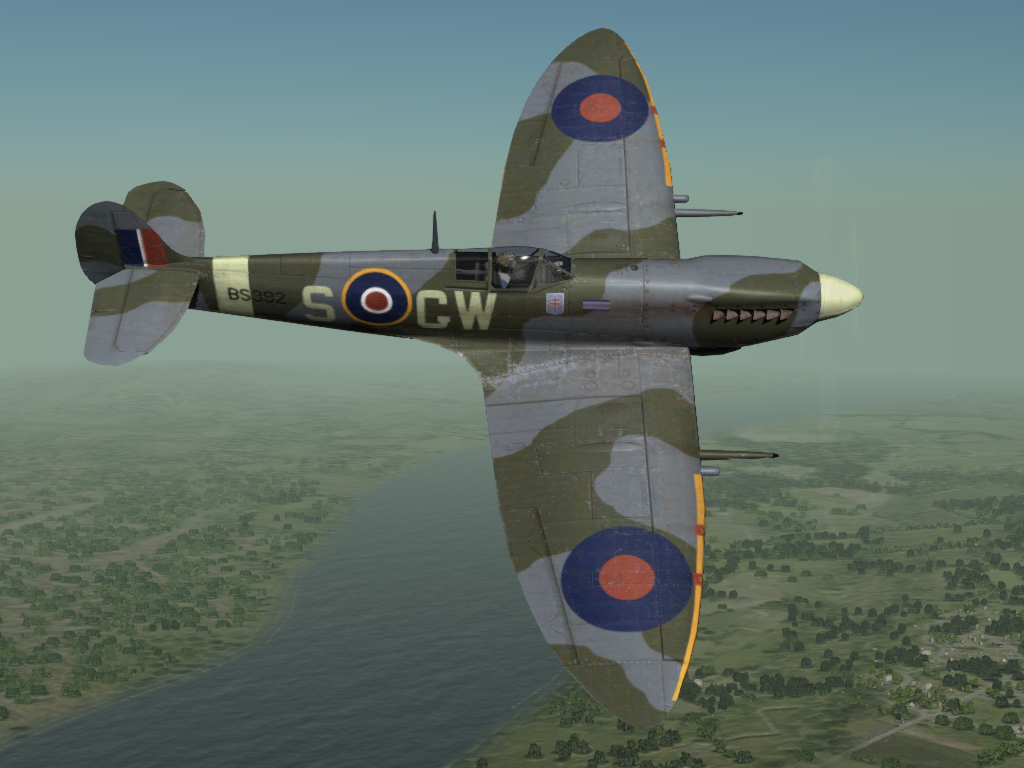
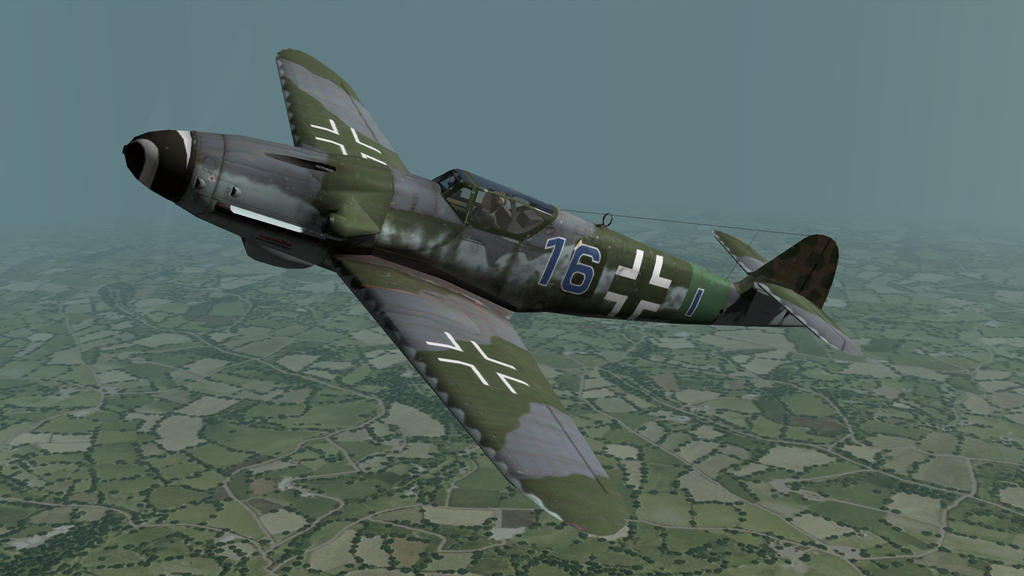
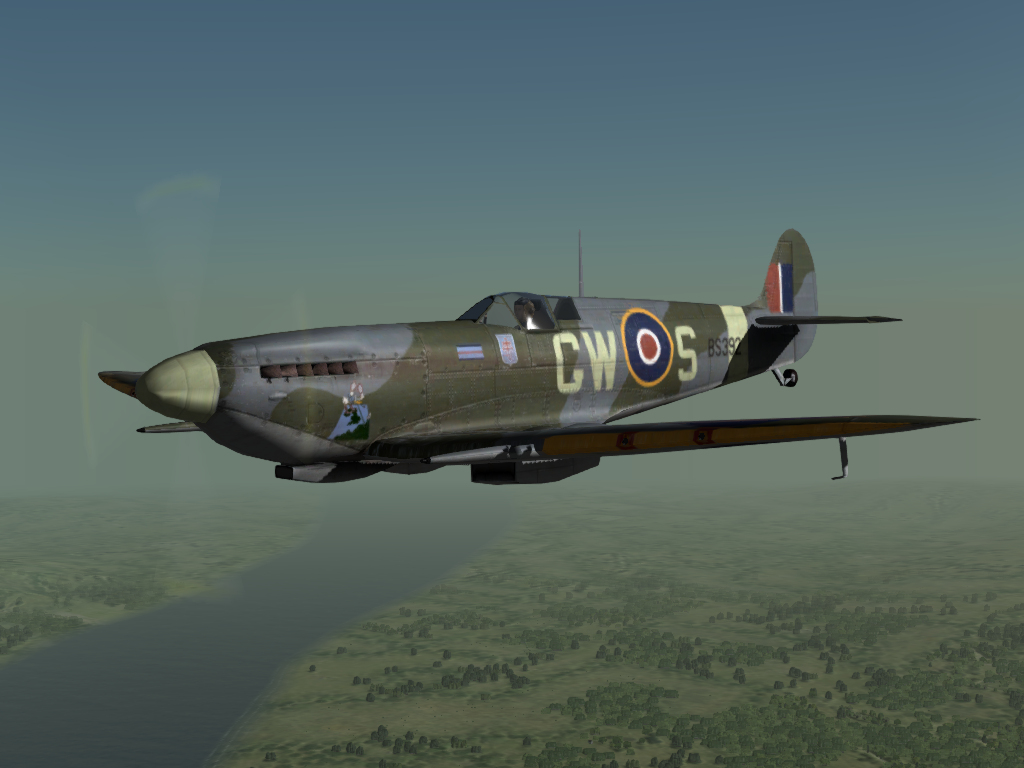
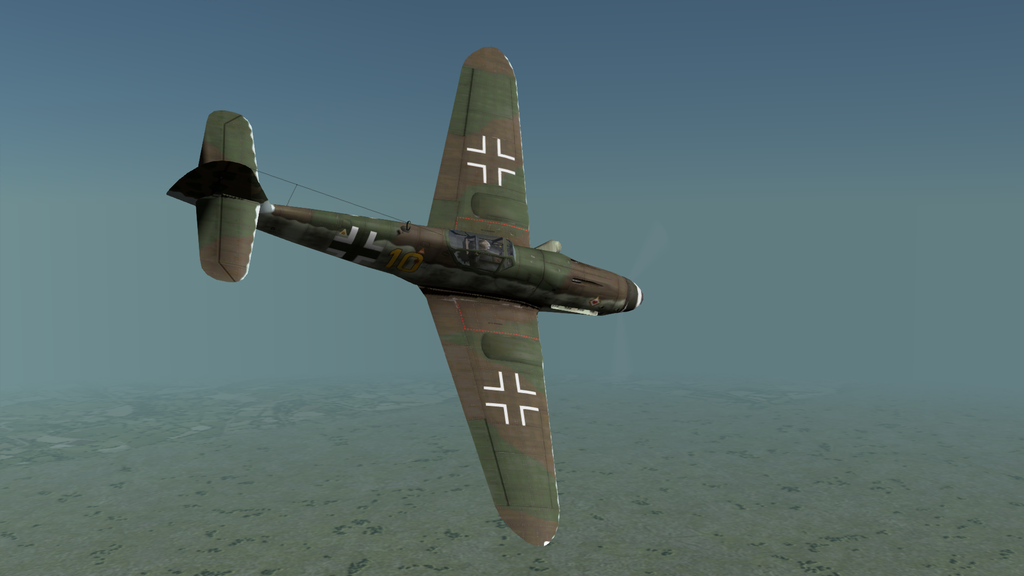
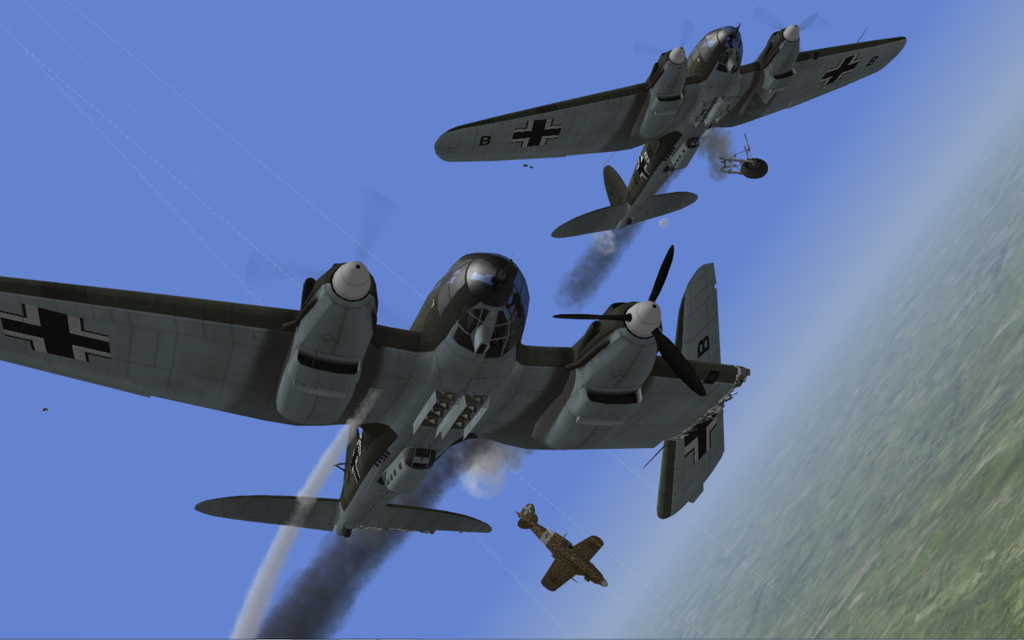
Adler Tag, also known as Eagle Day, was the beginning of a two-week long German assault on British airfields in August, 1940. It is generally considered, by historians, to be the beginning of the Battle of Britain on the Western Front of World War 2.
Hitler's primary goal in western Europe was to bring Great Britain to the negotiating table and being peace negotiations. He was concerned about the military capabilities of Great Britain and felt his military options were much better if he could take Great Britain off the table, so to speak, thus effectively allowing Germany to waltz through the rest of western Europe unopposed. In order to force England to the peace tables, the plan was to gain air superiority over them and to incapacitate the RAF so much so that England would be forced to negotiate a peace settlement.
Germany knew they were no match with England regarding sea superiority. The Royal Navy controlled the Atlantic Ocean, and the only way to defeat England by sea was to establish air superiority. Thus began the Battle of Britain, a continuous air assault which unofficially began with Adler Tag and continued until May 1941. At the beginning of this campaign, British coastal convoys, ports, and shipping centers were targeted. Eventually RAF airfields and infrastructure were also targeted. Factories where RAF aircraft were produced were bombed. If successful, Hitler was prepared with Operation Sea Lion, the amphibious and airborne invasion of Great Britain.
In response, England countered with RAF night raids, greatly disrupting German production and preparation.
In the end, Great Britain survived the Battle of Britain, and historians consider that to be the first major defeat of Hitler's military forces in Europe. Because of this defeat, British pubic opinion was lifted. In addition, American opinion on the war shifted, with many Americans believing that Great Britain must be supported in every way possible.
Historians generally believe that if Hitler had continued the assault, without consideration to massive air losses, Germany would have succeeded in wearing England down and forcing peace negotiations. As it was, German morale was broken after the failure in the Battle of Britain. Shortly after that, the United States entered the war, and a shift in momentum began. The Battle of Britain was, in many ways, the turning point in the entire war, and German fortunes turned drastically once they had failed in achieving those objectives.
This article, and many like it, are brought to you by HiTech Creations, makers of Aces High, the leading combat flight simulator on the market. Each week we bring you other stories about the war, from the Mediterranean Theater to the Pacific Theater, highlighting important events which not only shaped that war but greatly shaped the world as we know it today.
Join us next week for more interesting information about World War 2, and join us twice weekly for World War 2 Trivia, testing your knowledge about that war.
Aces High offers a free two-week download of its popular game. Strap on your helmets and fly the skies with Aces High.