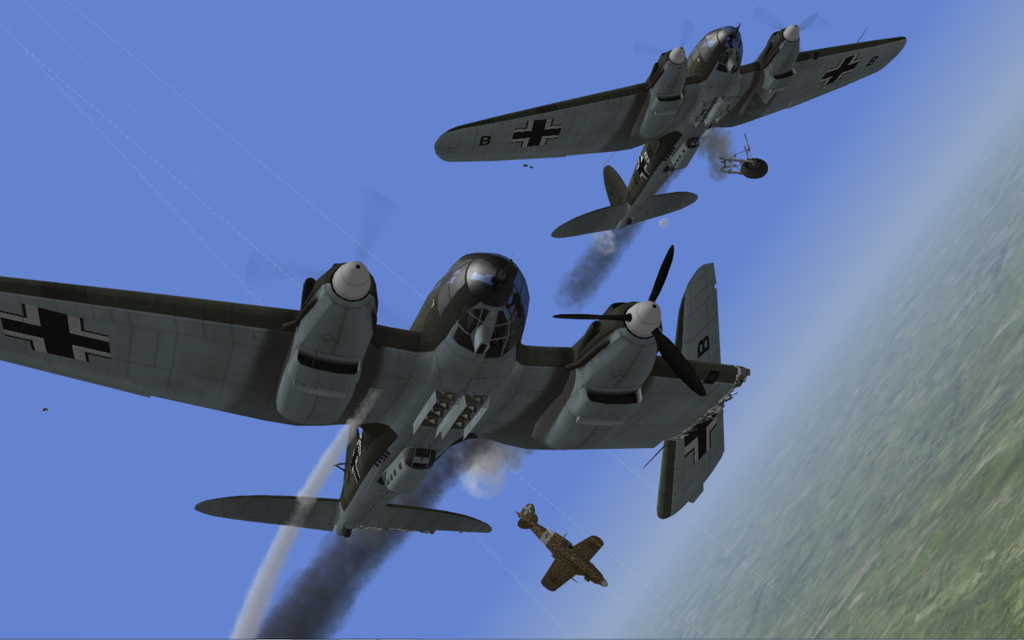
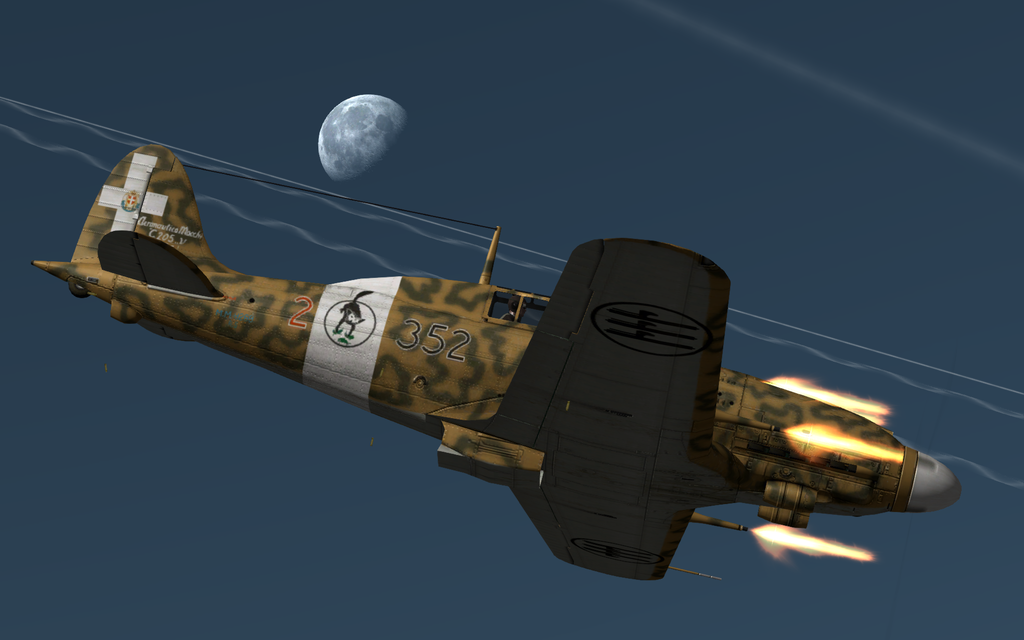
It was known as Corpo Aereo Italiano . . . The Italian Air Corps . .. was a force from the Regia Aeronautica, The Royal Air Force, and the highlight of its brief history was participation in the Battle of Britain in support of the German Air Force against the British Royal Air Force. Because of poor equipment and severe inexperience, its existence during the War was short-lived.
The Italian Air Corps only existed because Italian dictator Benito Mussoline insisted upon helping the Germans in air combat. It's impact on the war was practically non-existent. The Air Corps consisted of the Fiat CR.42, the Fiat G.50, and the Fiat BR.20 bombers. In addition, for support, five CANT Z.1007s an the Caproni Ca.133 transport planes were used. All told, the Italian planes flew 97 bomber sorties and dropped 44.87 tonnes of bombs in 77 night sorties.
On September 25, 1940, the Italian bombers arrived at their "home" airfield in Melsbroek, Belgium. Even that event was eventful as they had several planes forced to land or crash due to malfunctions and poor weather. Finally, though, they were ready for their first bombing run, and that happened on October 24, 1940 when 18 BR.20s left to attack Harwich an Felixstowe. The results were mixed as several planes failed to find their targets and several were lost in accidents. They took off again on October 29th on what historians believe to be the last day of the Battle of Britain. Fifteen BR.20s took off with strong fighter escort and bombed Ramsgate that day. Five suffered damage to anti-aircraft guns.
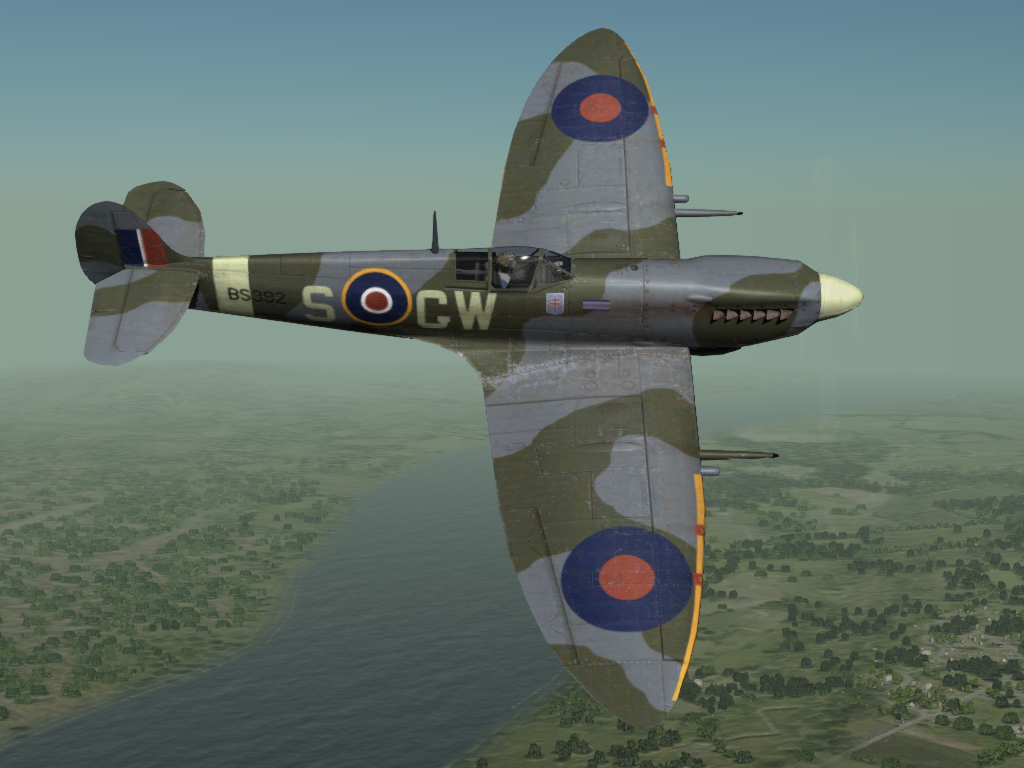
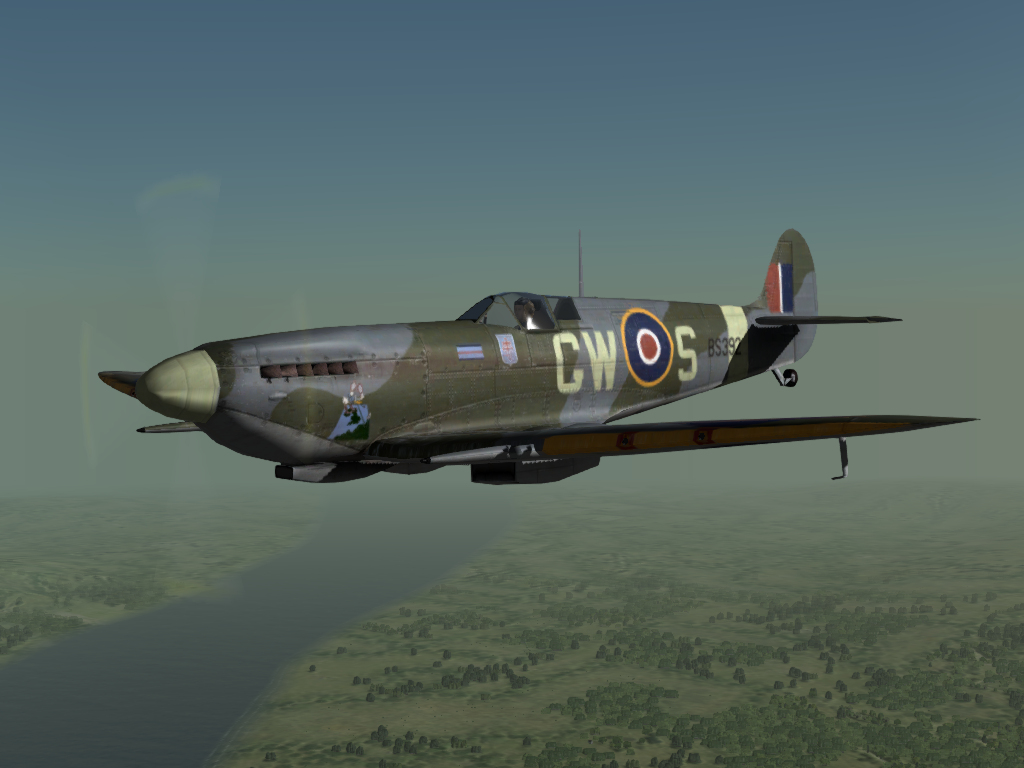
On November 11, 1940, the Italian Air Corps saw its first major combat against the RAF. They were not very successful, as the Fiat planes were no match for the British Spitfire MK1s..
By January, 1941, the Italian bombers were redeployed, and by mid-April, 1941, the G.50s were also redeployed, effectively ending the life of the Italian Air Corps.
Were they effective in the war? The British pilots actually had some praise for the Fiat planes, calling them highly-efficient at close-in fighting. Their turning radius was shorter than the Spitfires, and on several occasions they were able to out-maneuvre the Spitfire in combat. The problem with the Italian aircraft was a mechanical one, most of all. They were unable to consistently "show up" for combat, and suffered most of their losses due to those mechanical problems.
The Italian Air Force was such a non-factor during the War in the European Theater that there is still confusion over their exact numbers and even specific plane designations. Italian records differ with eyewitness accounts from the Germans, Italians, and the British, so this chapter in World War 2 history may forever be a mystery.
Each week, HiTech Creations brings you more information about World War 2. Whether it be the Pacific Theater, the Western Front, or the Mediterranean Theater, we cover it all, big and small, and try to shed further light on that great struggle.
We invite you to try our free two-week download of Aces High. Strap on your helmets and fly the online gaming skies with Aces High.