Operation K was a Japanese naval operation in the months after the bombing of Pearl Harbor, the planning for which began shortly after Pearl Harbor.
Due to poor intelligence reports, it was unknown how quickly America was recovering from the surprise attack on Pearl Harbor. During the days immediately following the attack, there seemed to be no doubt about the magnitude of the damage done, but how quickly could America recover? This key question would dictate how quickly America could respond to other threats like a possible bombing run on California or Texas by the Japanese.
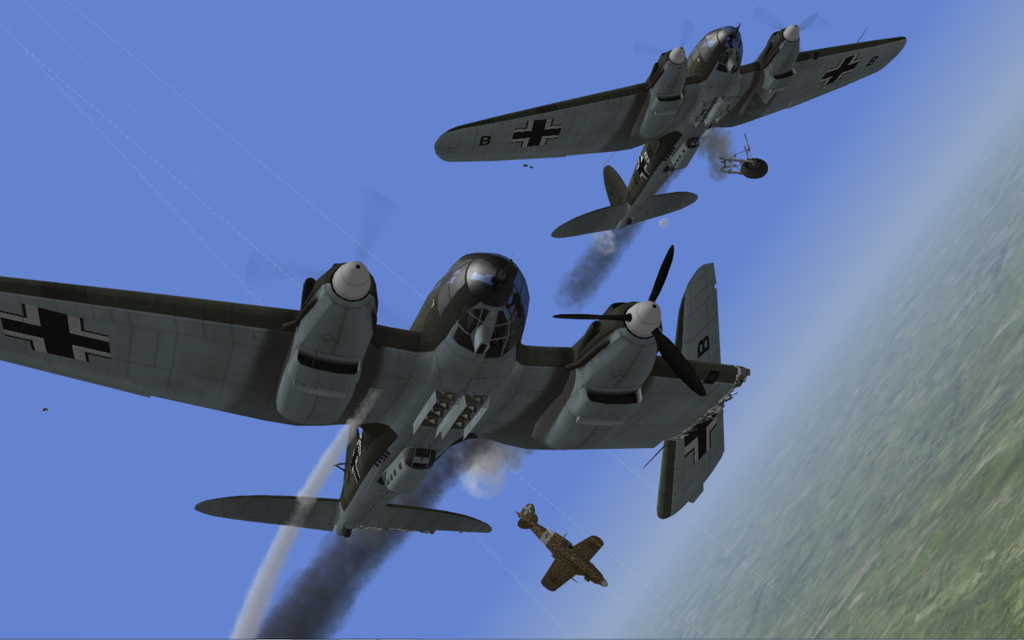
It was decided that a firsthand accounting of the Pearl Harbor damage and recuperation was necessary, and thus Operation K was planned. The original plan called for five H&K aircraft (flying boats) to fly to the French Frigate Shoals, the largest atoll in the Northwestern Hawaiian Islands, where they would refuel from submarines. From there they would take off for Oahu. If the raid wa successful, future raids would be planned.
Operation K, in the Pacific Theater of World War 2, was planned to take advantage of a full moon to help illuminate Pearl Harbor, but the date of the raid would depend more upon calm weather.
Finally, on March 4, 1942, the raid took place but with only two of the flying boats. Unfortunately for the Japanese, codebreakers successfully interpreted Japanese messages, and warned that the Japanese were planning raids. This time they were listened to,and the Pearl Harbor officials were ready.
The two Japanese aircraft did make it to Oahu but then luck turned against them. A dense cloud cover prevented the Japanese pilots from seeing Pearl Harbor, and eventually they dropped their bombs on an extinct volcano, causing no damage to American installations. In the end there were no new American casualties, but fear of the Japanese capabilities were once again raised.
Another of those missions was attempted on March 10th, but the two planes were shot down. Still another mission was attempted on May 30, but strong American naval presence near Midway stopped that mission before it had any chance of success. By that point in 1942, the United States was sufficiently recovered from the losses at Pearl Harbor, and the Japanese never again attempted a similar mission.
The results of Operation K were negligible. Yes, it heightened the concern in the Hawaiian Islands, but only for a short time. If nothing else, it increased readiness in U.S. troops and naval forces, which is really a good thing. The Japanese discovered that they were, indeed, capable of very long distance bombing runs, but events in the war shortly after Operation K made this knowledge a moot point.
Did you enjoy learning about Operation K? If so, join us next week for more information about World War 2. We try to concentrate our efforts on little-known information about that was, and it is our goal to increase your awareness as well as honor all of those who fought in that war.
We are HiTech Creations, makers of Aces High, the best World War 2 flight simulator on the market.