The Battle of the Barents Sea was a turning point in naval warfare in World War 2, although at the time its significance was not fully understood or full appreciated.
The Battle occured on December 31, 1942, and was fought between warships of the German Kriegsmarine and the British Royal Navy, and it was fought in the Barents Sea north of North Cape, Norway, in the European Theater of World War 2. The Royal Navy had two cruisers, six destroyers, two corvettes, one minesweeper, and two trawlers, while the Germans had two heavy cruisers and six destroyers.
The British ships were escorting a convoy comprised of fourteen merchant ships carrying war materials to the USSr, war materials which included 202 tanks, 2,046 other vehicles, bombers, fuel, and other supplies. The convoy "set sail" in the dead of winter to avoid an air attack by German aircraft.
The battle itself was a confusing affair. Because it was during an endless polar night, neither side was all that sure where their other ships were or who they were firing upon. Often during the battle ships would make maneuvers and blindly sail right into the path of the enemy. Sporadic fighting was the norm during this battle rather than one continuous attack
When the battle ended, all fourteen merchant ships were undamaged, and all reached their intended port. Losses included one destroyer sunk and one damaged for the British, while the Germans lost one cruiser, one destroyer, and 330 killed. More importantly, however, was Adolph Hitler's reaction to the naval battle defeat. He was, to say the least, furious that the German surface fleet was riddled so easily, and after the battle he ordered that most sea tactics be carried out by U-boats rather than surface craft. The only significant encounters by German surface ships after the Battle of the Barents Sea was off the coast of France on the Western Front. For the remainder of the war, U-boats carried the brunt of ocean battle for the Germans, severely limiting their effectiveness on the oceans and ultimately leading to their demise in the war.
Captain Robert Sherbrooke of the Royal Navy was awarded the Victoria Cross for valor during the battle. He was badly wounded while in a leadership position, losing the sight in one eye; however, he returned to active duty and retired in the 1950's. The battle was the subject of the book 73 NOrth written by Dudley Pope should you desire to read the details of the encounter.
Each week we at HiTech Creations try to bring you a brief history of events, aircraft, ships, and fighting forces which saw action in World War 2. Besides the fact that we find it very interesting, it is our way to salute those brave men who gave us our freedom today.
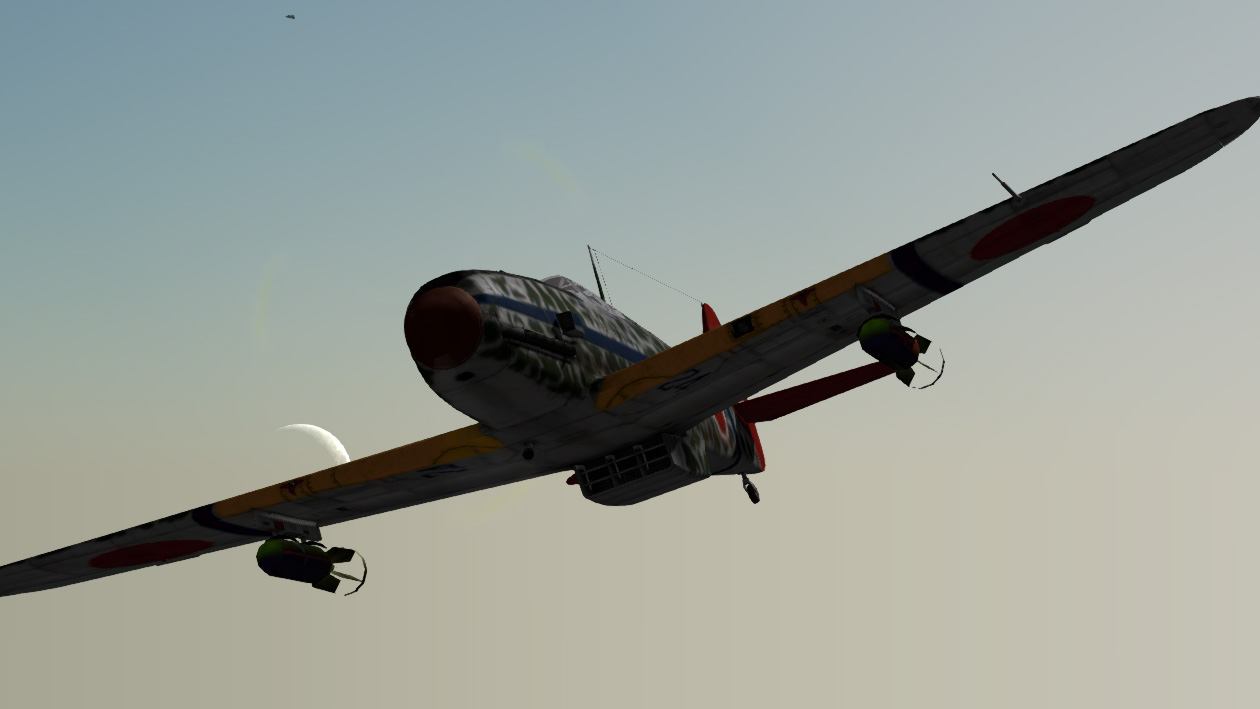
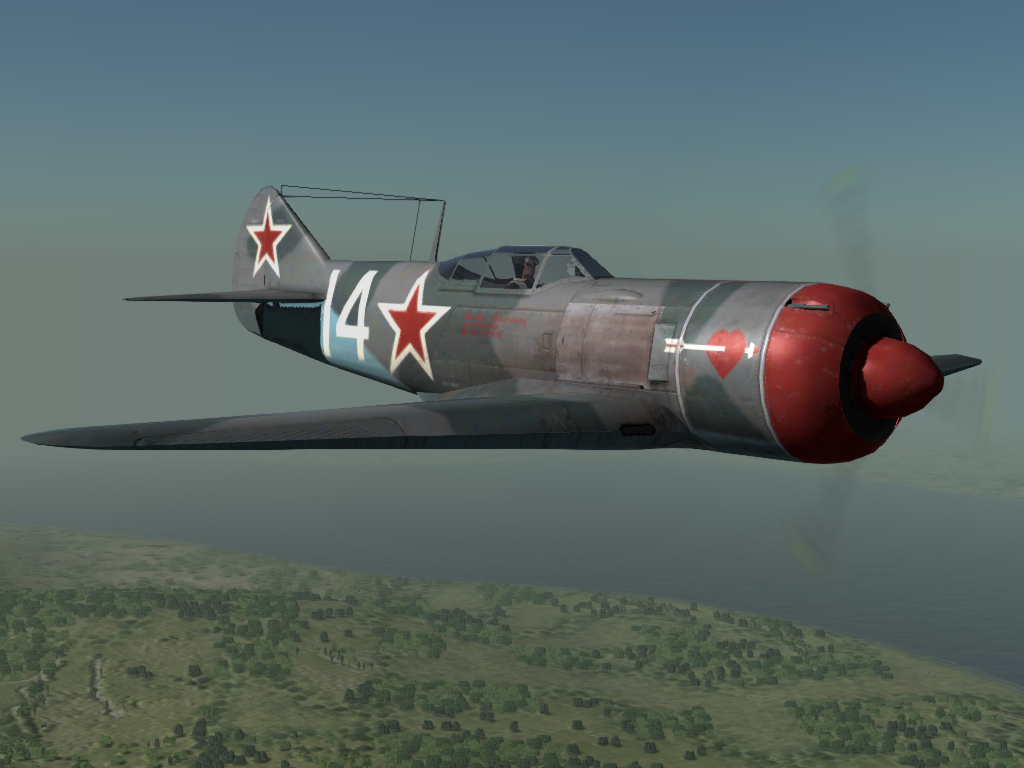
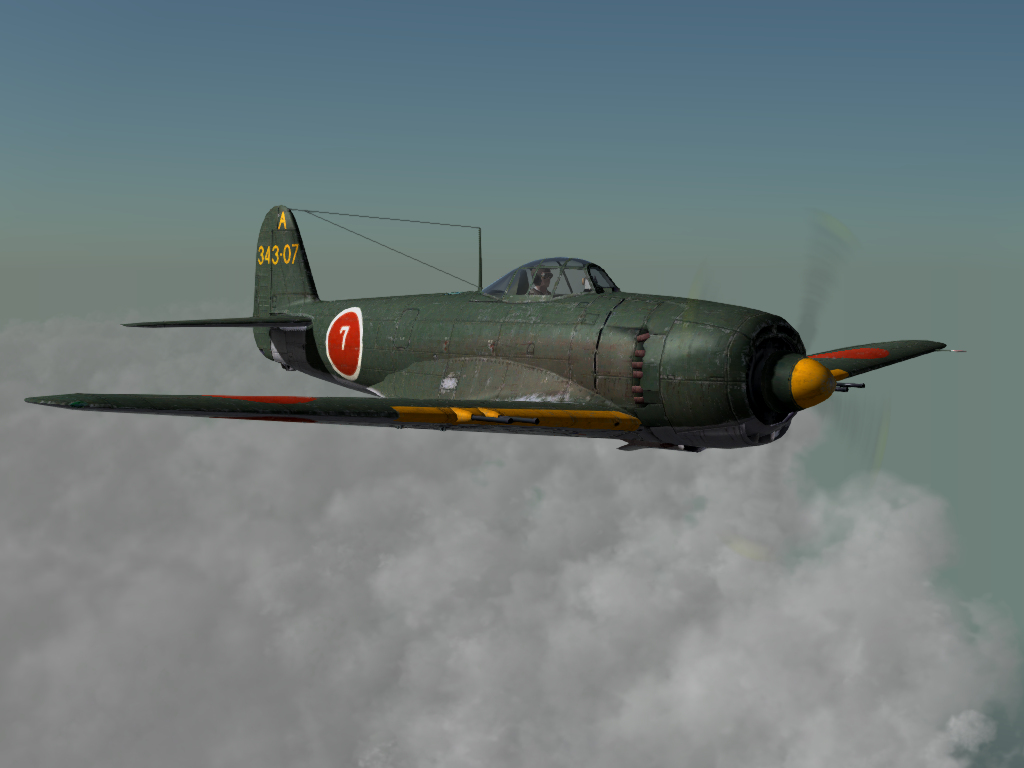
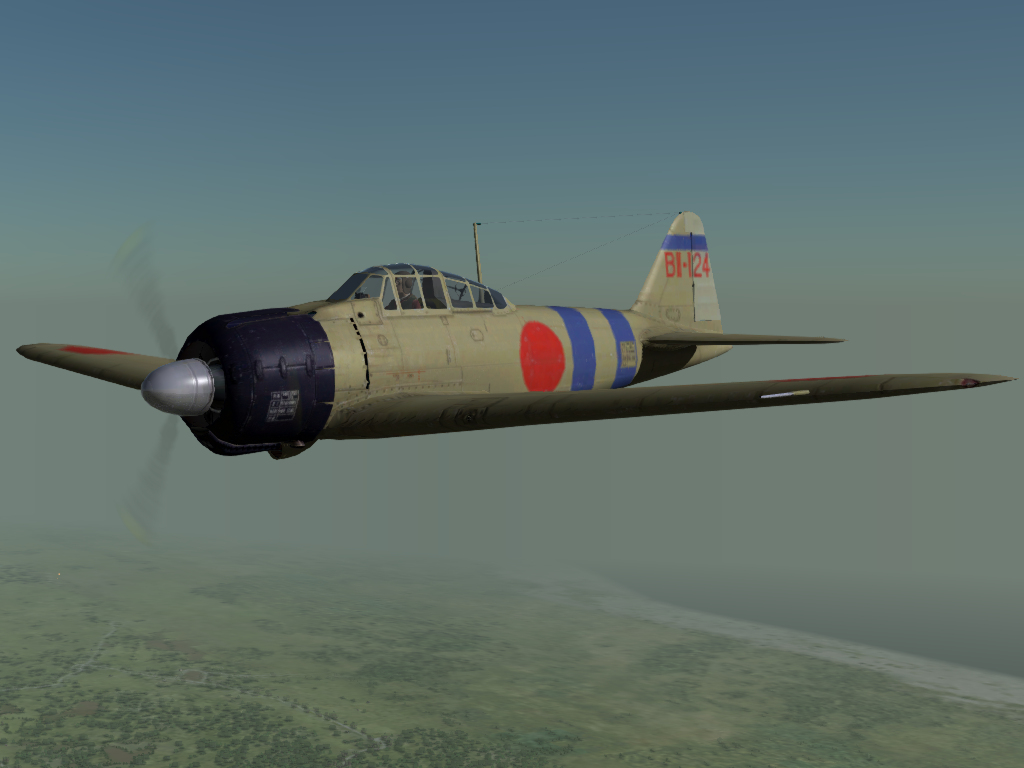
We invite you to try our online combat flight simulator Aces High, the leading flight sim game in the universe. You can try a free two-week download of Aces High, no credit card required. We are convince that once you do you will be flying the skies with Aces High for years to come.