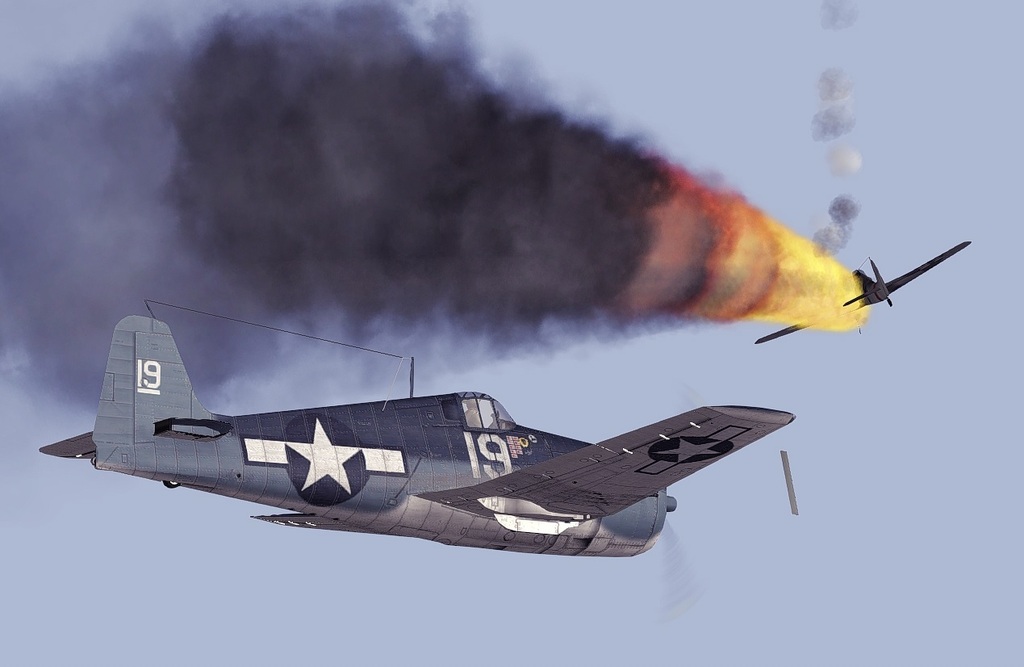
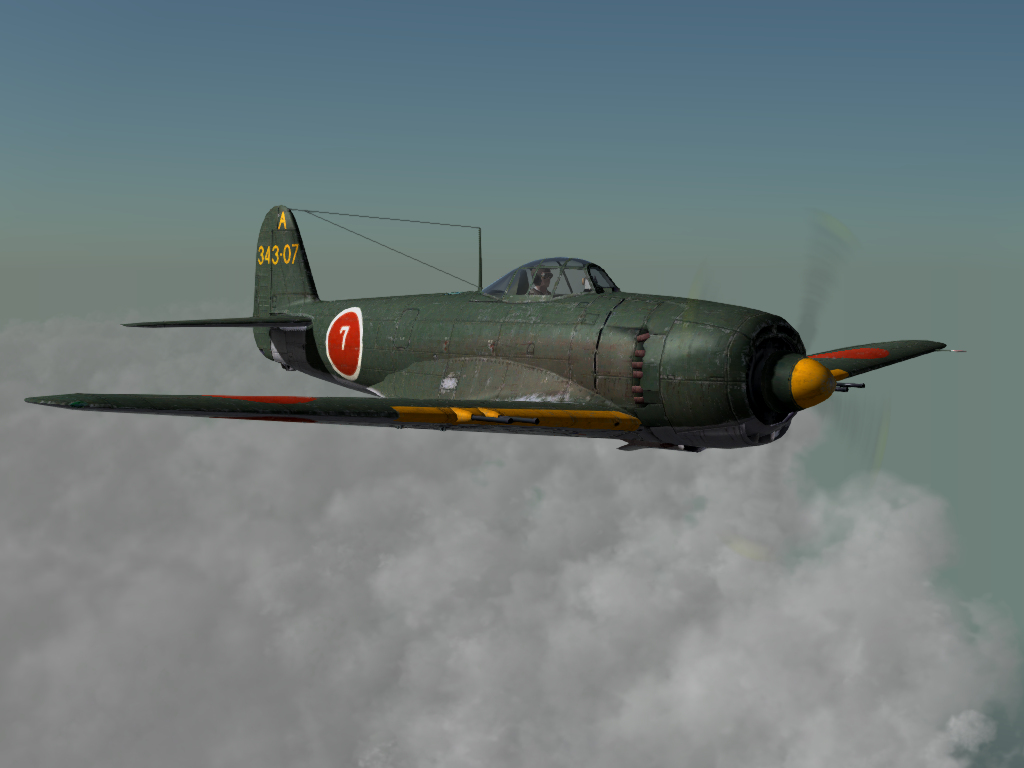
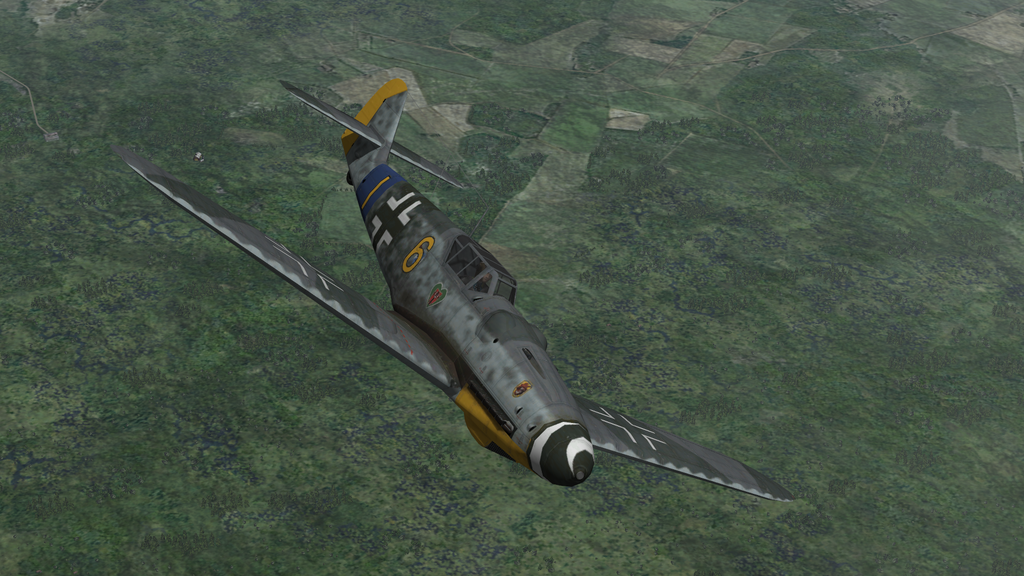
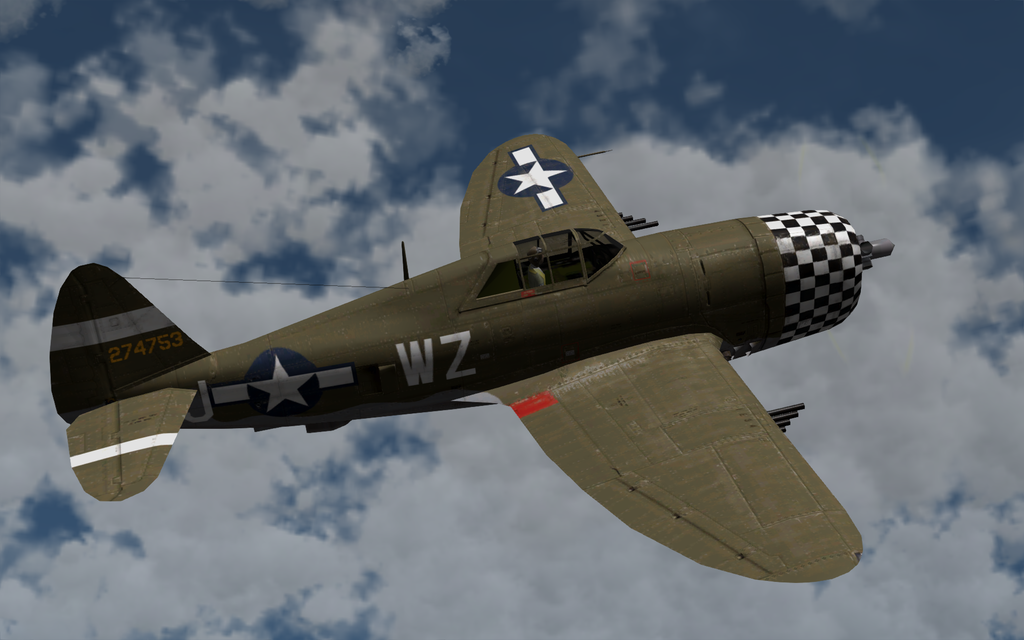
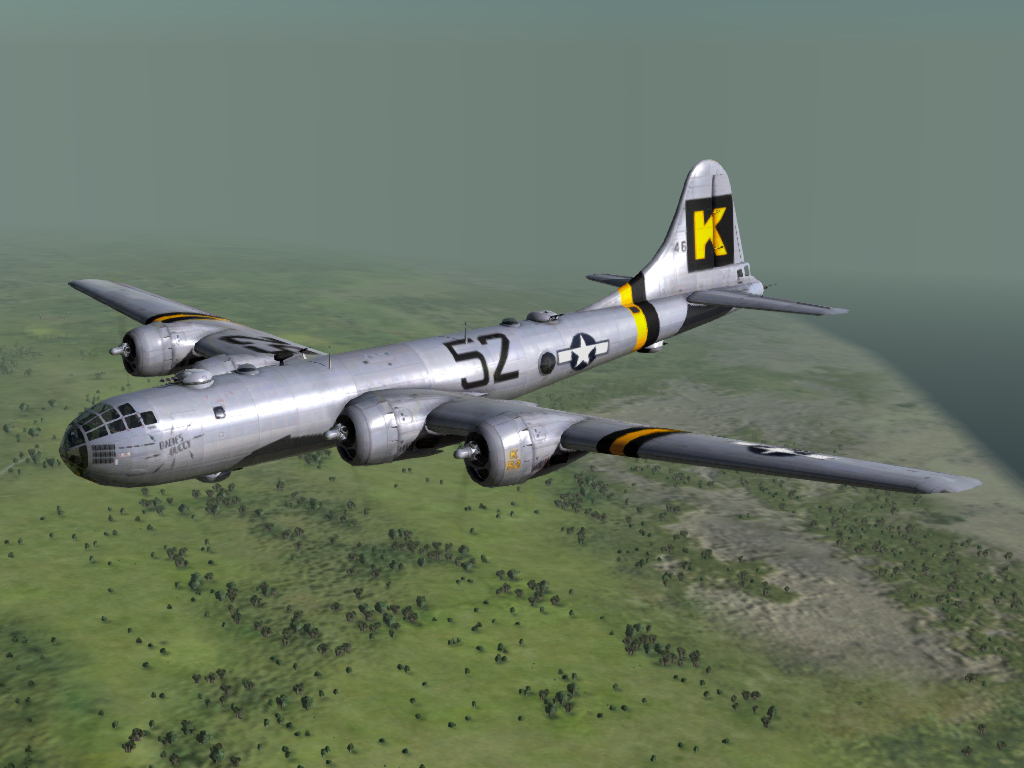
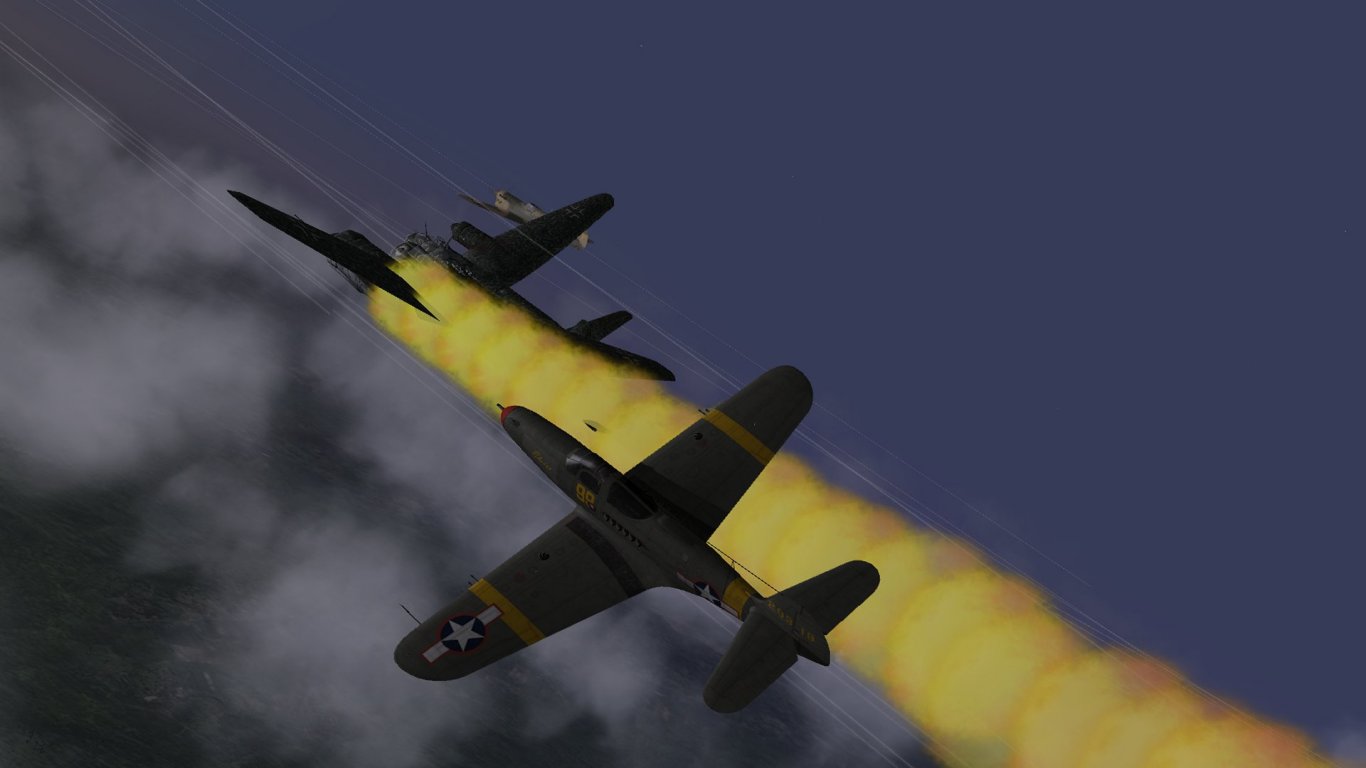
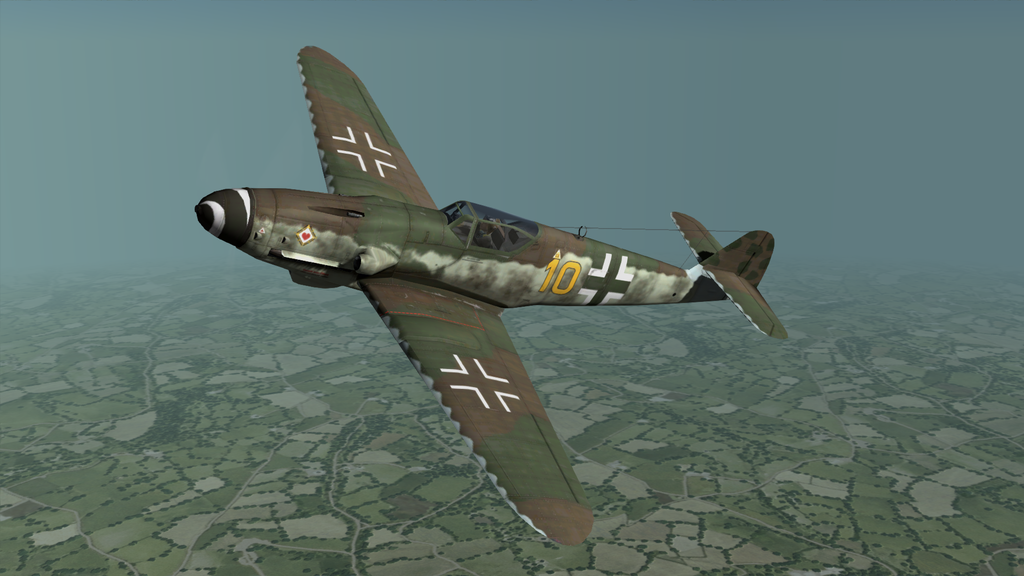
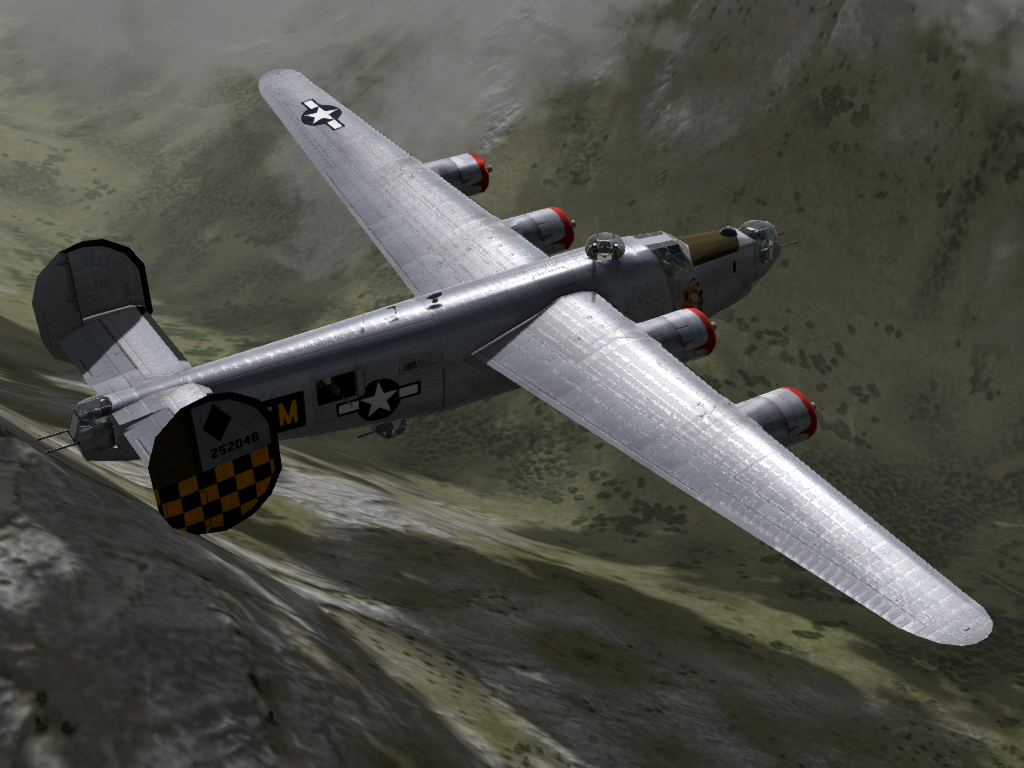
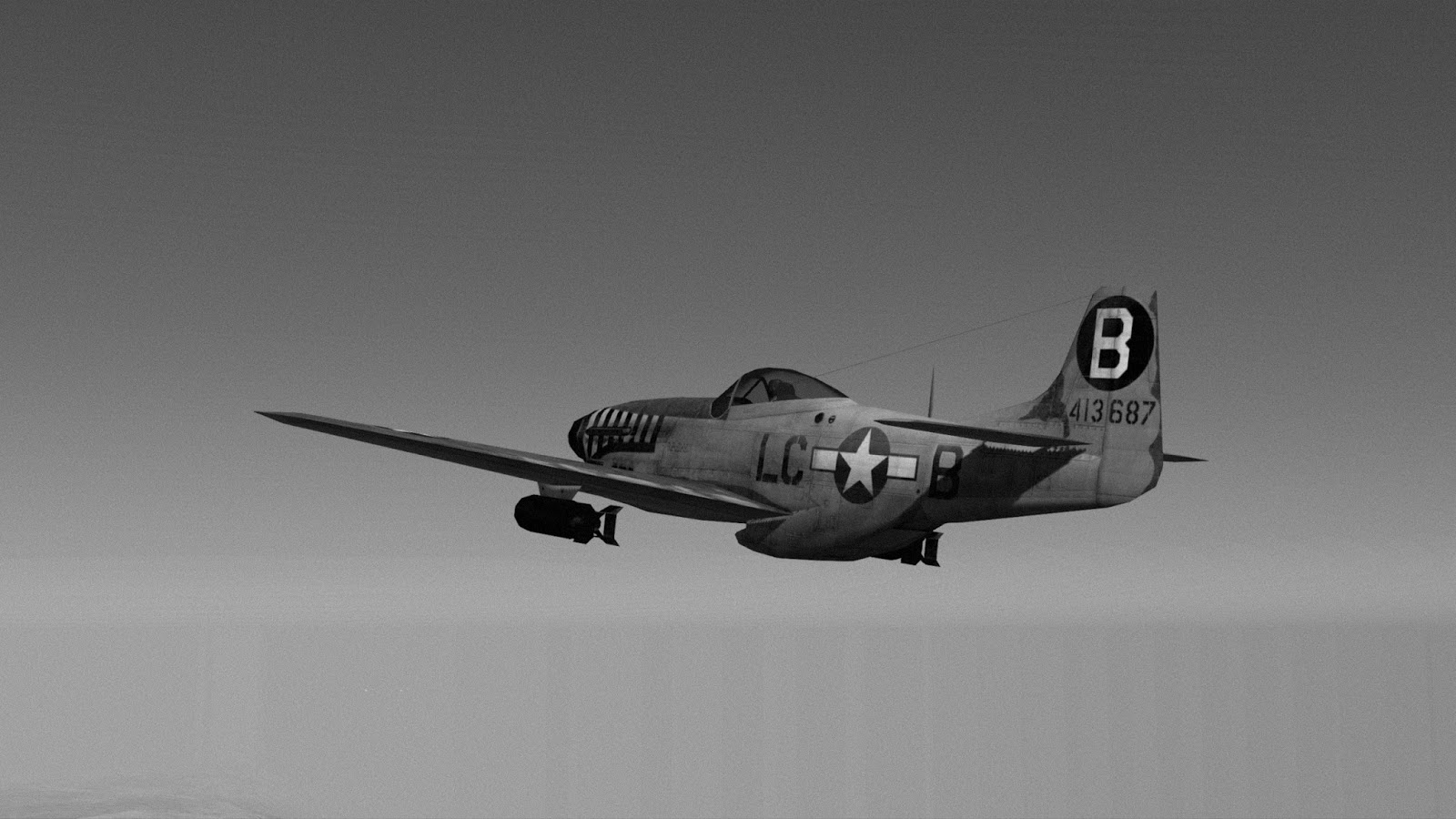
Big Week, also known as Operation Argument, was a combined effort of the United States Strategic Air Forces and the RAF Bomber Command. Its purpose was to severely cripple the strength of the Luftwaffe by attacking the German aircraft industry. It was believed, by Allied leaders, that air superiority over the European Theater could be gained by crippling the German aircraft industry, and thus the Allied invasion of Europe would proceed without air inteference.
Big Week consisted of the U.S. bombing during the day and the RAF bombing during the night. U.S. Commanders Jimmy Doolittle and Carl Spaatz were joined by RAF Commander Arthur Harris in planning Big Week. It involved using the US Eighth Air Force, the US Fifteenth Air Force, the RAF Bomber Command, and the RAF Fighter Command, and targeted German cities included: Leipzig, Brunswick, Gotah, Regensburg, Schweinfurt, Augsburg, Stuttgart, and Steyr. During a six-day span, from February 20-25, 1944, the U.S. bombers flew 3,500 sorties, dropping 10,000 tons of bombs on those cities in an attempt to cripple aircraft production.
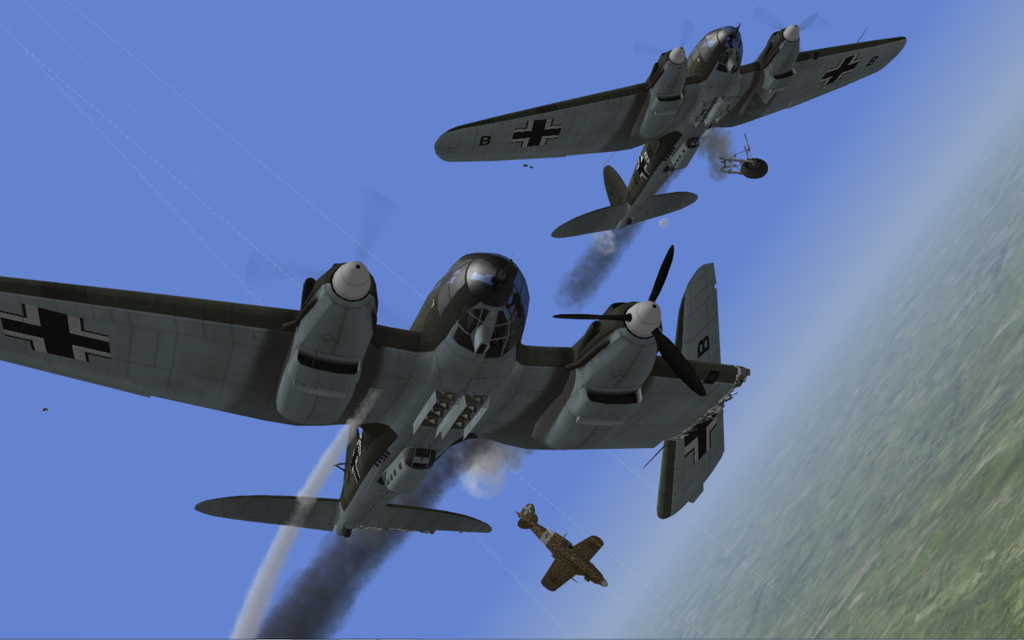
The losses were considerable. The RAF lost 131 bombers. The USAAF lost 226 heavy bombers, 28 fighters, and over 2,000 aircrew were killed or captured. On the German side, 262 fightes were lost, and 250 aircrew were killed or injured. The Allied losses were considered acceptable, in the 5% to 14% range, because of the sheer staggering numbers of units and raids. For the Germans, however, the losses could not be made up. Losses to the manufacturing sites was relatively small, but replacing men and lost aircraft was impossible. Germany was, at that time, fighting on three fronts, and they simply did not have the men or equipment to make up heavy losses. In fact, air superiority over Europe had already been establishe prior to Big Week, but Big Week definitely cemented superiority for the Allies.
Big Week bolstered the confidence of the USAAF. On March 4, the USAAF launched several attacks against the German capitol city of Berlin. 730 bombers and 800 fighters took off from England and attacked Berlin. Heavy losses were incurred by both sides, but the Germans could not replace those losses.
Big Week and the ensuing bombing attacks on Berlin ended on April 1, 1944,and control of the air forces passe on to General Dwight D. Eisenhower as he prepare for the invasion of France. The Normandy invasion became the sole focus of the USAAF and the RAF after April 1. Big Week became a footnote in history, one which changed the skies over Europe forever.
Did you find that mini-history lesson interesting? If so then join us each week for more mini-history lessons about World War 2, and also join us twice-weekly for World War 2 Trivia. Each week we test your knowledge of World War 2 with some rather challenging trivia questions we think you'll enjoy.
And we also think you'll enjoy Aces High, our combat flight simulator which pits your gaming skills against the best flight sim players in the world.
Do you have what it takes to establish air superiority over our gaming landscape? Can you survive in our multi-player combat game? Fly the skies of Aces High and find out just how good you are.