Some ships are just destined for a bad life; the HMS Graph was one of those ships.
The HMS Graph was originally launched on April 15, 1941 as the U-570, a German Type VIIC U-boat. She was built in Hamburg, Germany with a displacement of 757 long tons when surfaced, an 857 long tons when submerged. She was 220 feet long an 20 feet wide with a draught of 15 feet seven inches. Her main armament consisted of five torpedo tubes, four on the bow and one on the stern, and she carred a total of fourteen torpedoes. In addition she had an 8.8 cm deck gun and a 2cm Flak 30 anti-aircraft gun.
After a series of testing trips in the Baltic, the U-570 awaited its first mission, and that came in August, 1941. German intelligence became aware of a large number of Allied merchant ships in the North Atlantic just south of Iceland in the European Theater of World War 2. It was ordered that sixteen U-boats would be sent to that area to destroy those merchant ships, and the U-570 was one of those sixteen boats sent. She had provisions for a four-week journey.
The U-570 was commanded by an experienced naval officer but somewhat of a novice aboard U-boats. In addition, the First Watch Officer also only had a couple months of training on a U-boat. That lack of command experience led to the U-570 being attacked and captured on her first patrol off Iceland.
The U-570 was then towed to Holy Loch for repair and retrofitting, and on October 8, 1942, she was renamed the HMS Graph and sent out to patrol the Bay of Biscay for the Allies. On October 21, 1942, the HMS Graph saw her first action as a British submarine, attacking and badly damaging a U-boat during battle. On November 19, 1942, the Graph again patrolled the Bay of Biscay. She missed an opportunity to intercept the Italian cargo ship Cortellazzo, and that patrol happened without incident.
On December 24, 1942, the Graph left port with three other submarines to patrol off the coast of Norway. Torpedoes were fired at German destroyers, but there is no evidence that they hit their mark.
On January 13, 1943 the HMS returned to port, where she remained as a training ship for the remainder of the war. She was then towed for scrapping, but on the way to the scrap yard she ran aground and her wreckage was left there, where it still remains today. The HMS Graph was the only submarine in World War 2 to serve for both the Allies and the Axis Powers.
We hope you found that interesting. Join us each week for more mini-history lessons about World War 2, and we invite you to join us twice-weekly for World War 2 Trivia, a chance to test your knowledge about that war.
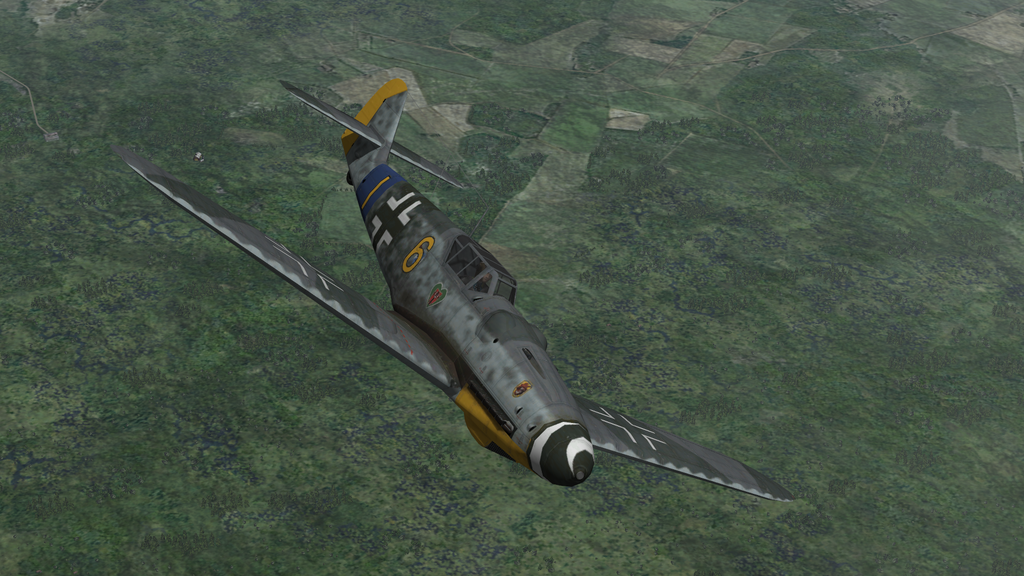
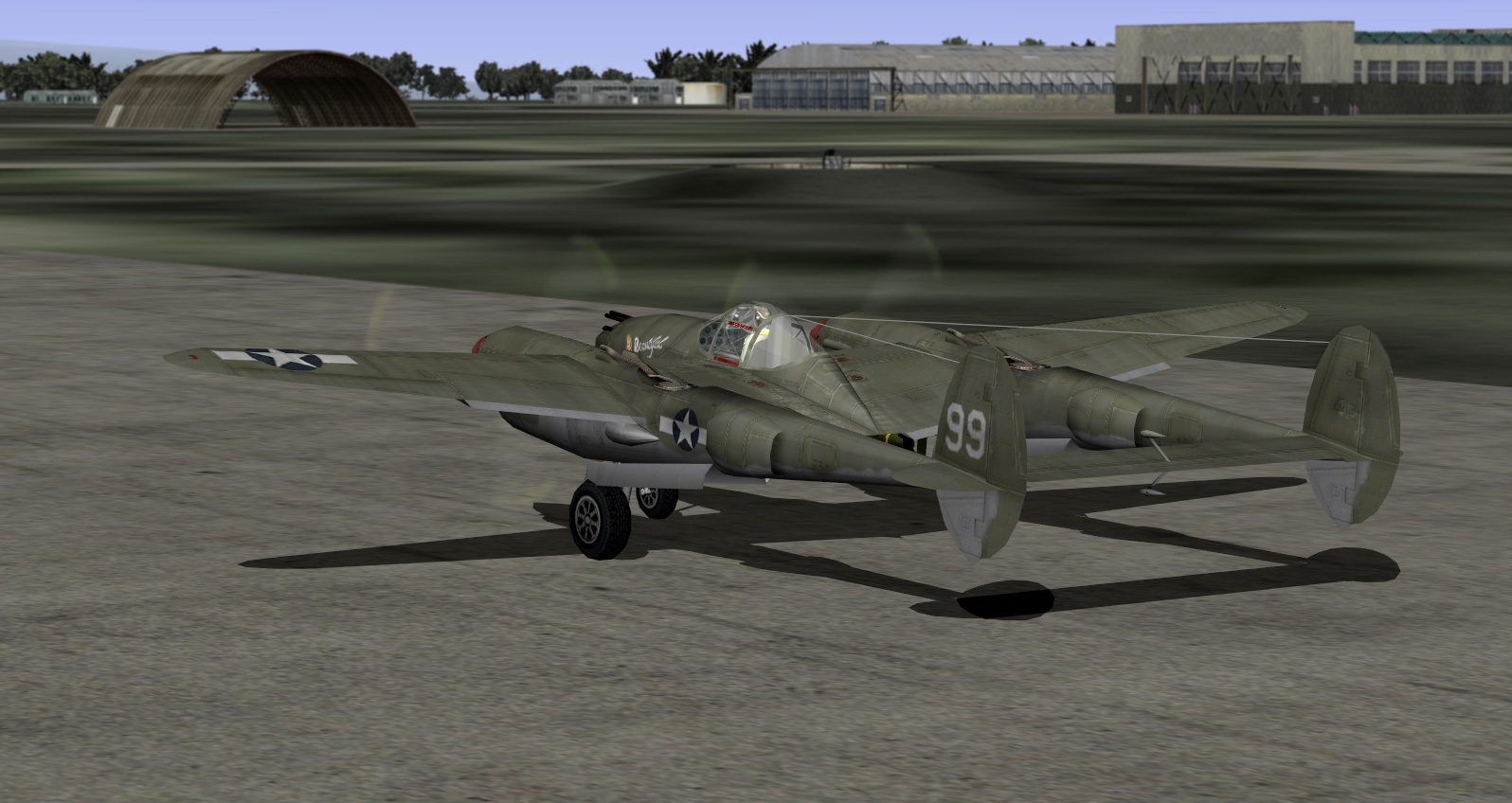
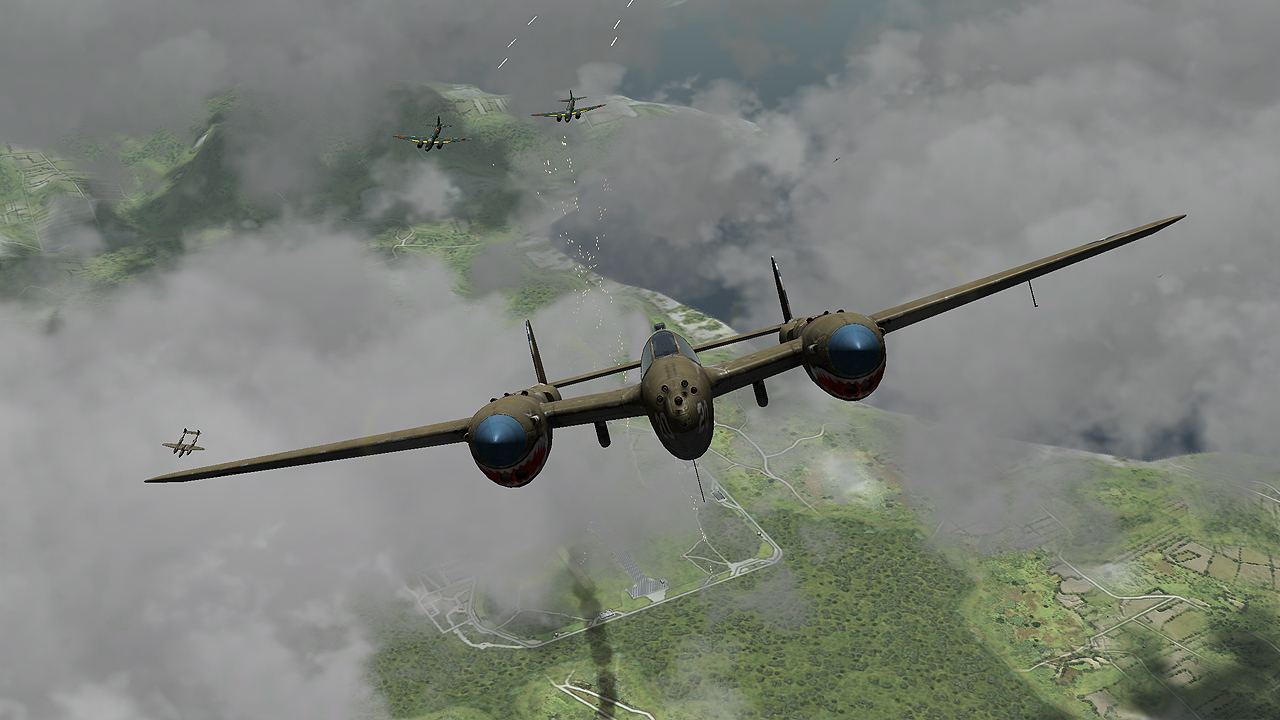
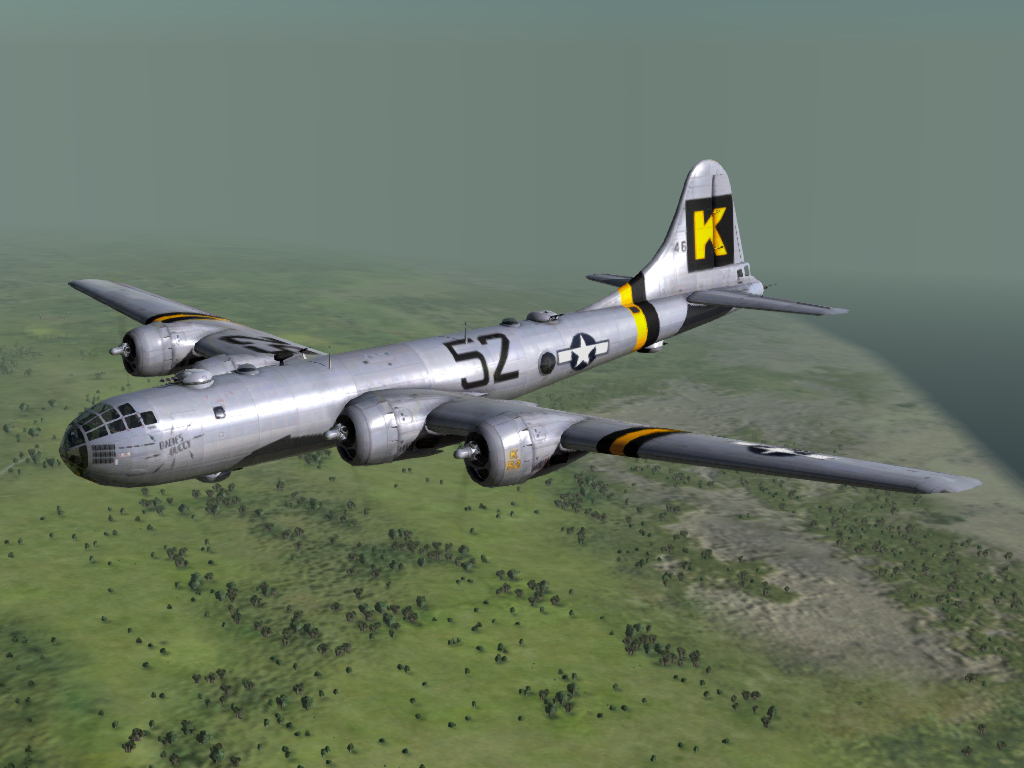
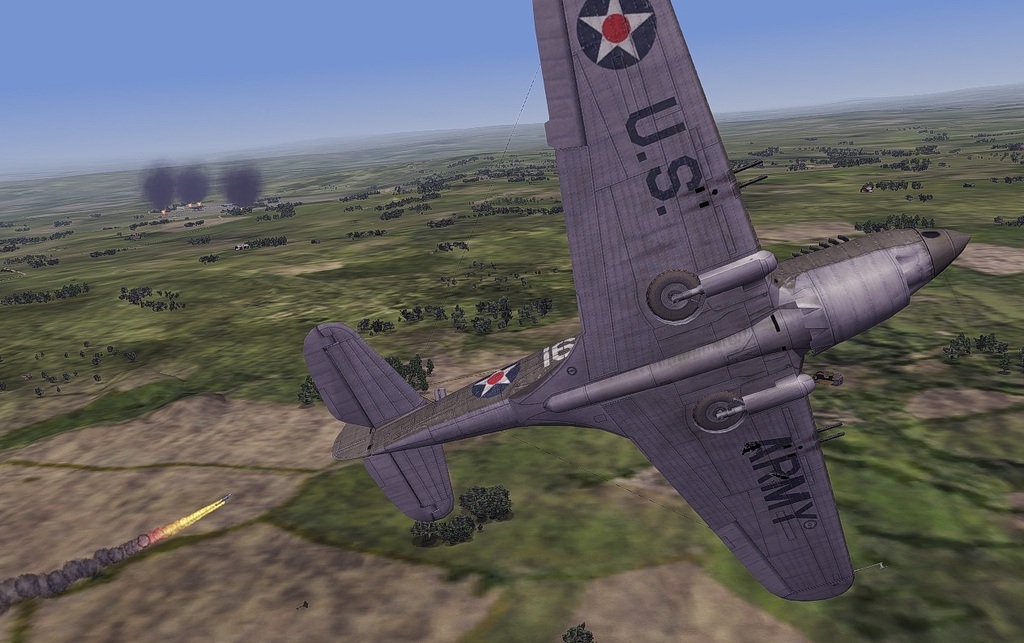
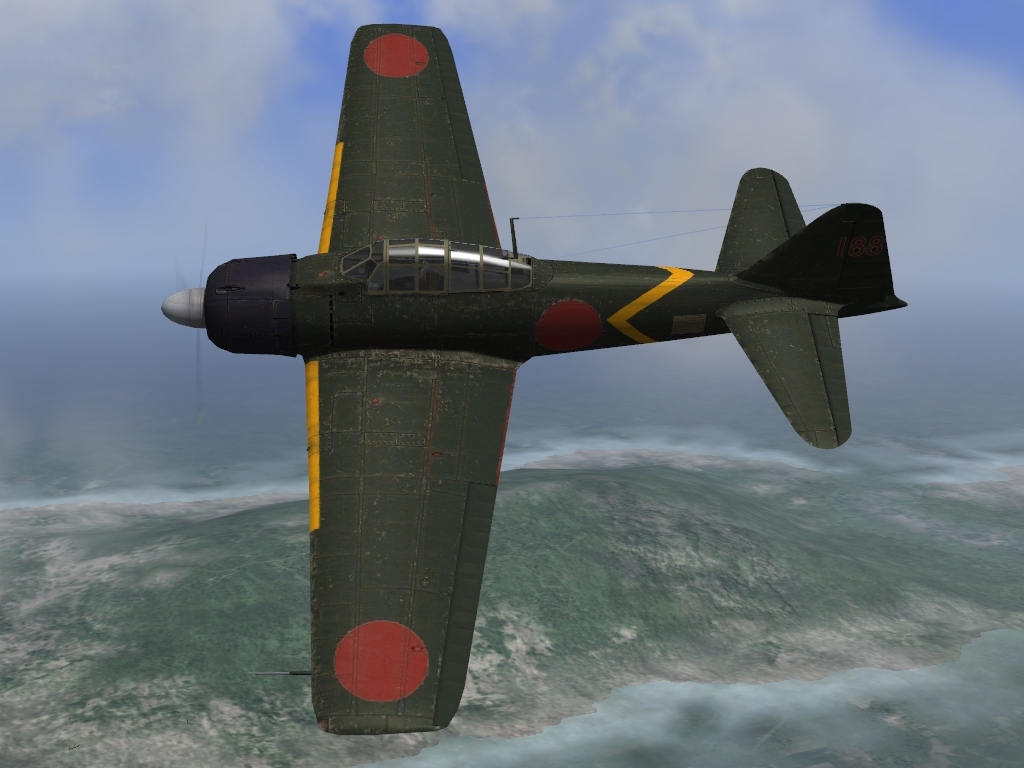
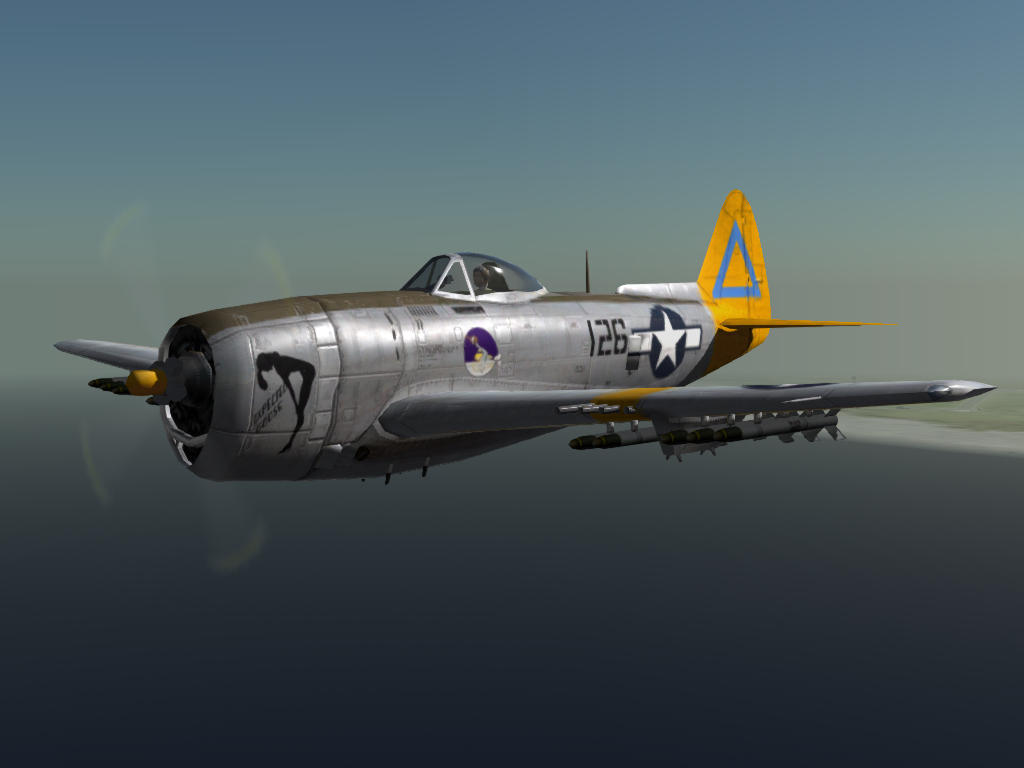
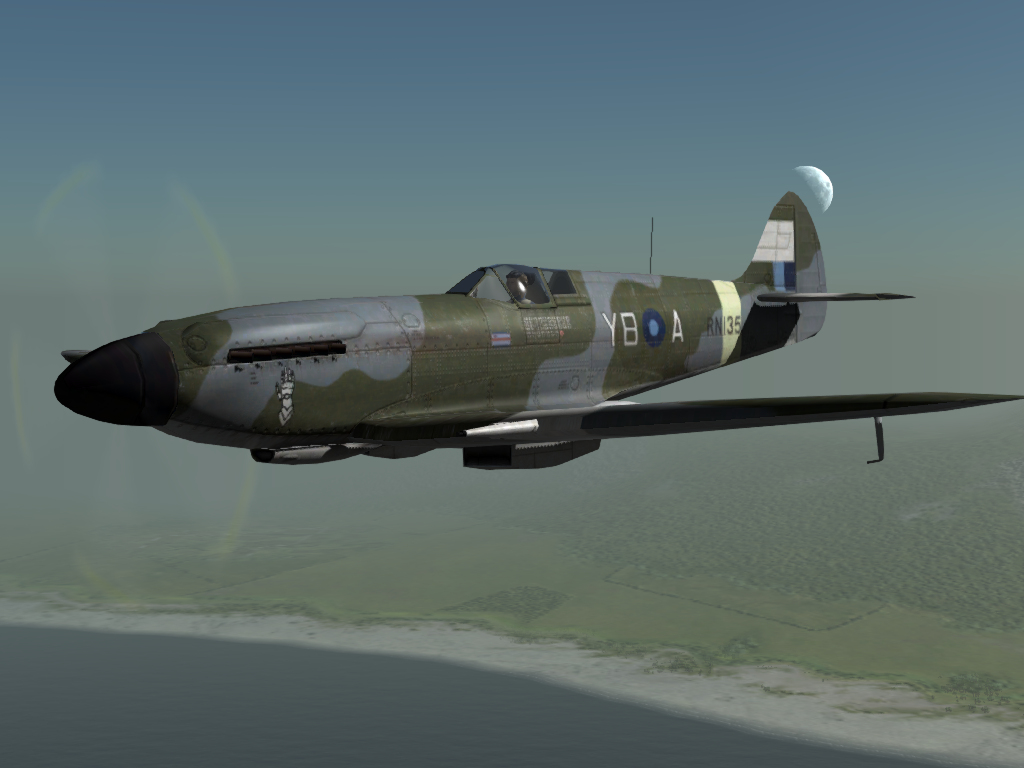
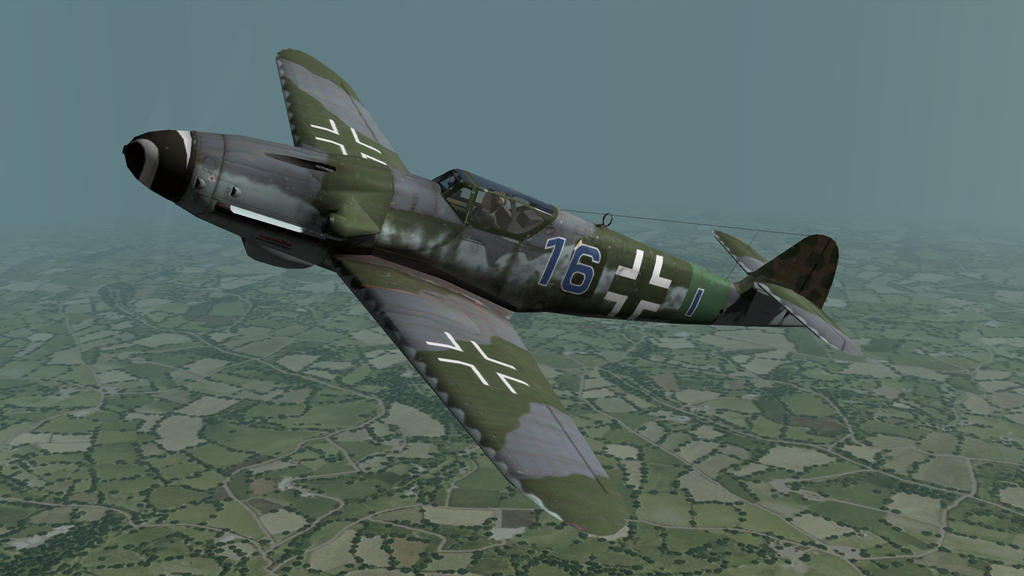
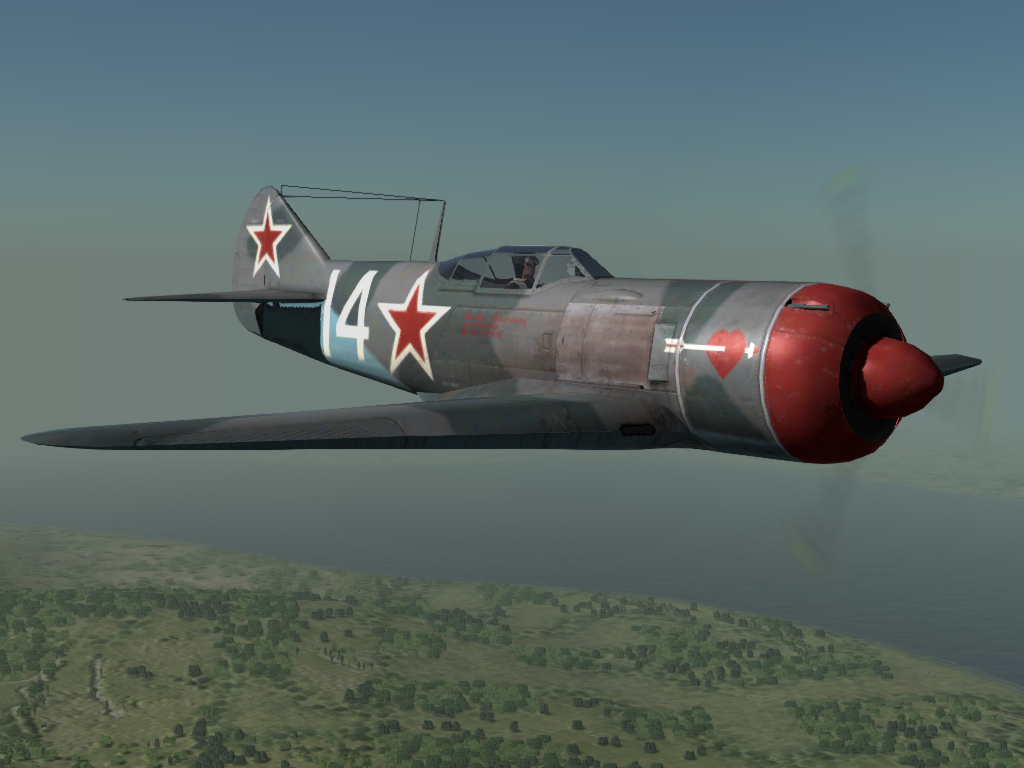
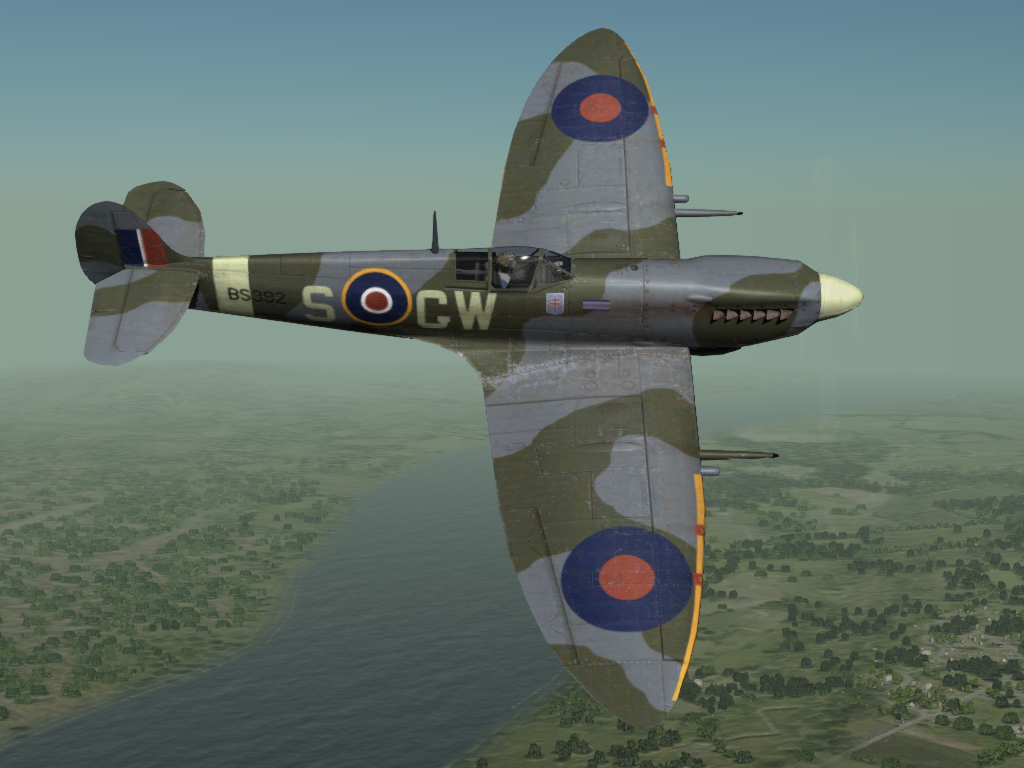
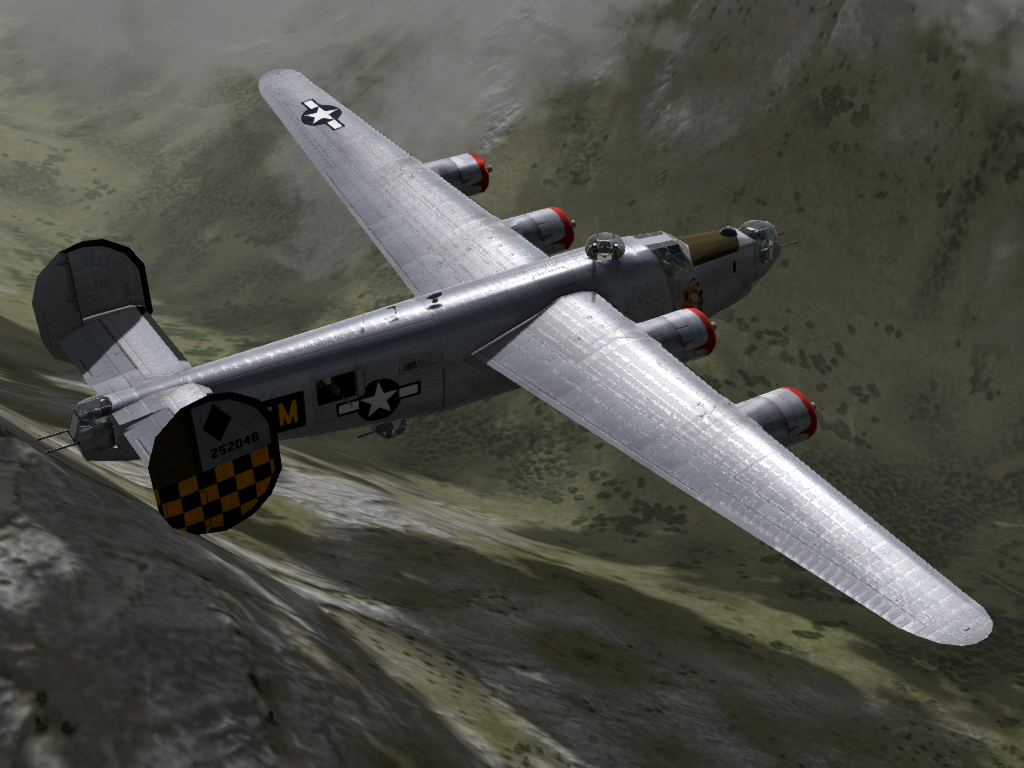
And speaking of testing yourself, try our free two week download of Aces High, the best combat flight simulator on the market. It is a multi-player game where you can test your gaming skills against the best flight sim gamers in the world. Strap on your helmets and fly the skies with Aces High. You won't be disappointed.