Operation Harling was a joint commando raid by British Special Ops and the Greek resistane groups ELAS and EDES in the Western Front of World War 2. It occured on November 25, 1942, and is considered the first sabotage act performed by the Allies in Axis-held territoy, and one of the most important of those sabotage acts.
In the late summer of 1942 it was decided that something must be done to slow the flow of supplies being moved through Greece to the German forces in North Africa of the Mediterranean Theater.. British SOE finally decided that a sabotage act must be performed on one of three targets: The Gorgopotamos, the Asopos, or the Papadia Bridge. Any of the three would completely disrupt the railway line connecting Athens with Thessaloniki and thus end supplies flowing to Africa. Of those three the Asopos was the preferred target since it would take longer to repair, but the decision on which target would be made by the mission's leader at the time of the mission.
That mission was under the command of Lieutenant Coloner E.C.W. Myers of the Royal Engineers. The mission team would be evacuated once the mission was completed.
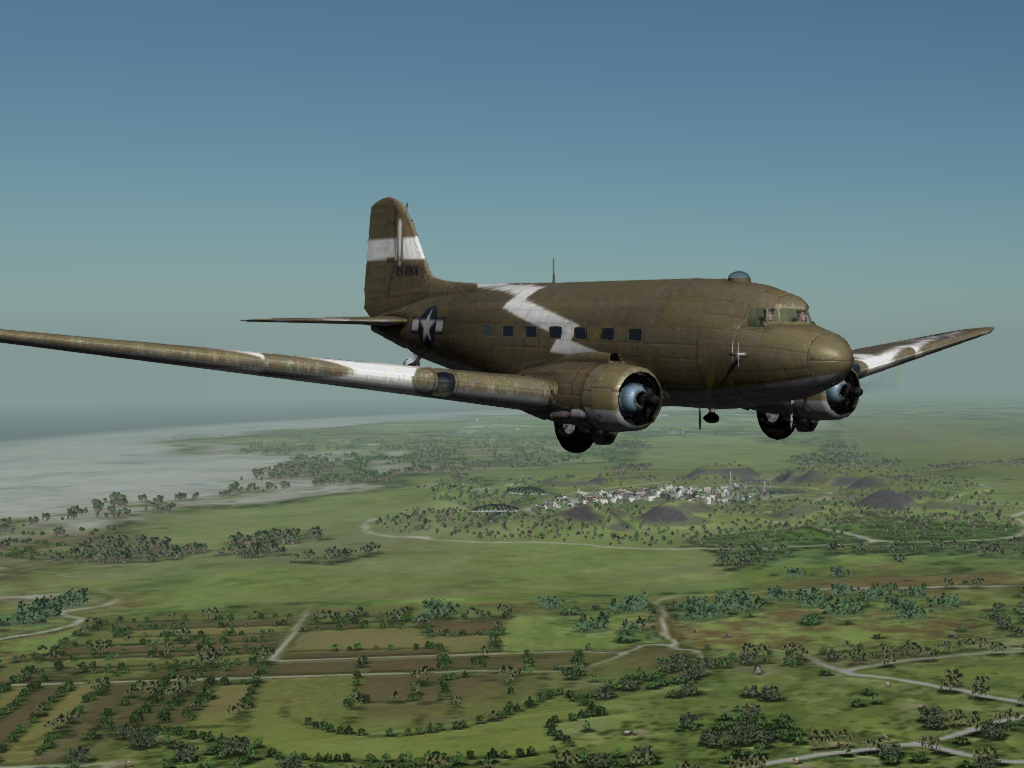
There were twelve men in the SOE team, and it was decided to divid those twelve into three groups of four each. Each group would fly separately into Greece and land at pre-arranged coordinates, relying on signal fired set on land as landing sights. The first attempt, on September 28, failed as the fires were not lit. The second flight, on September 30, was successful as all three teams were dropped in Italian-held Greek towns. They were all hidden by Greek resistance members, During reconnaisance in that area, it was decided that Gorgopotamos offered the best chance at success since it was only protected by 80 Italians and it had a line of retreat.
When it was time to act, the force totalled 150 mean, the twelve British members and 138 Greek resistance fighters.
At 23:00 on November 25, the attack occured. Railway and telephone lines were cut and the Italian garrison was attacked. Meanwhile, explosives were set on the bridge itself. By 4:30 the entire attacking force, with only four wounded, had successfully rendered the bridge inoperable and had retreated from the area.
The mission itself was considered a major success, even though it was rendered totally unnecessary due to the Allied victory at El Alamein. It demonstrated that it was entirely possible to condust major guerrilla sabotage actions within the German lines, and it greatly boosted the resistance movement. It was, however, the last time the ELAS and EDES groups would work together. Within a month of the operation the ELAS group would splinter off and go to war against other resistance groups, leading to the Greek Civil War, a war within a war.
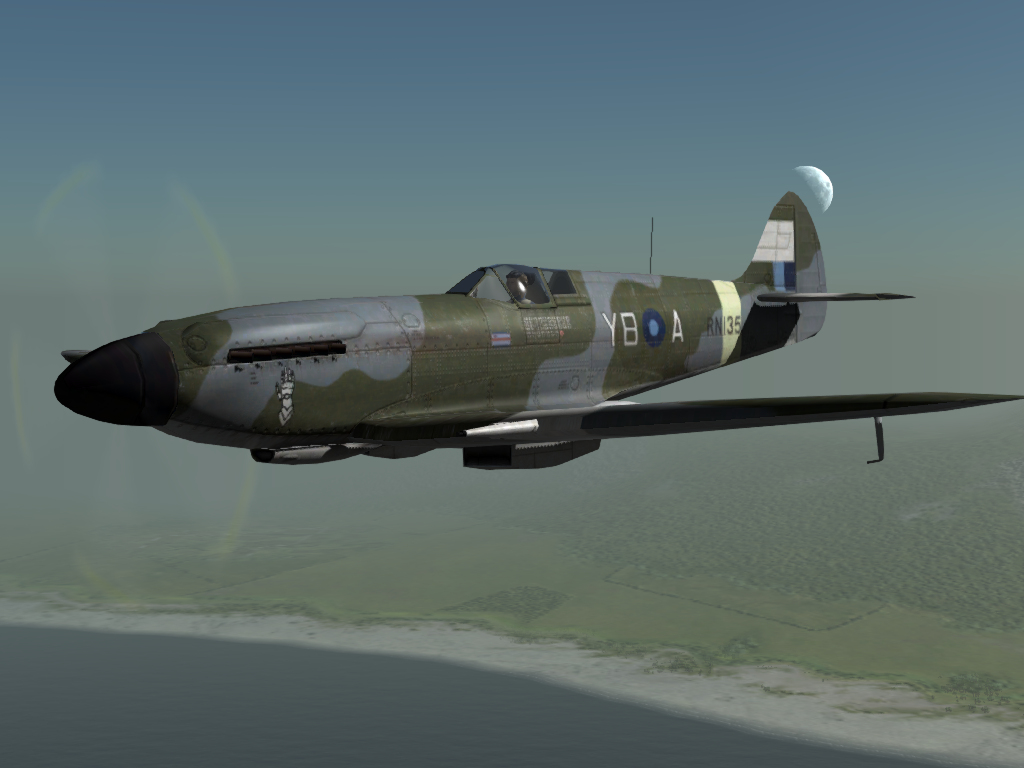
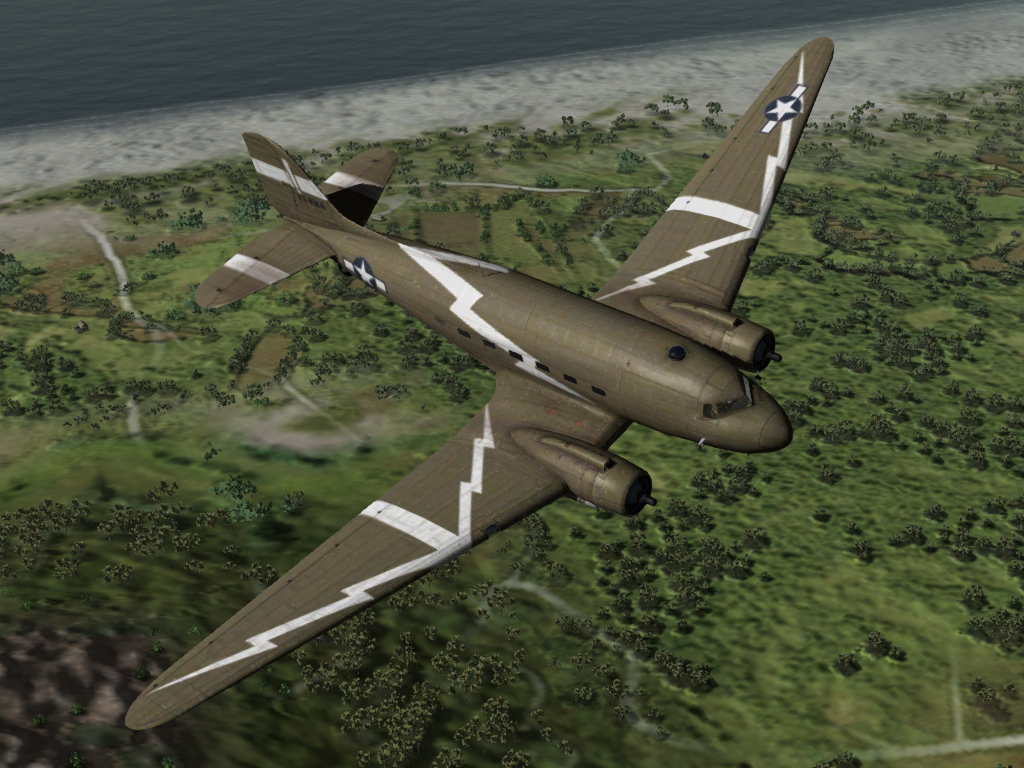
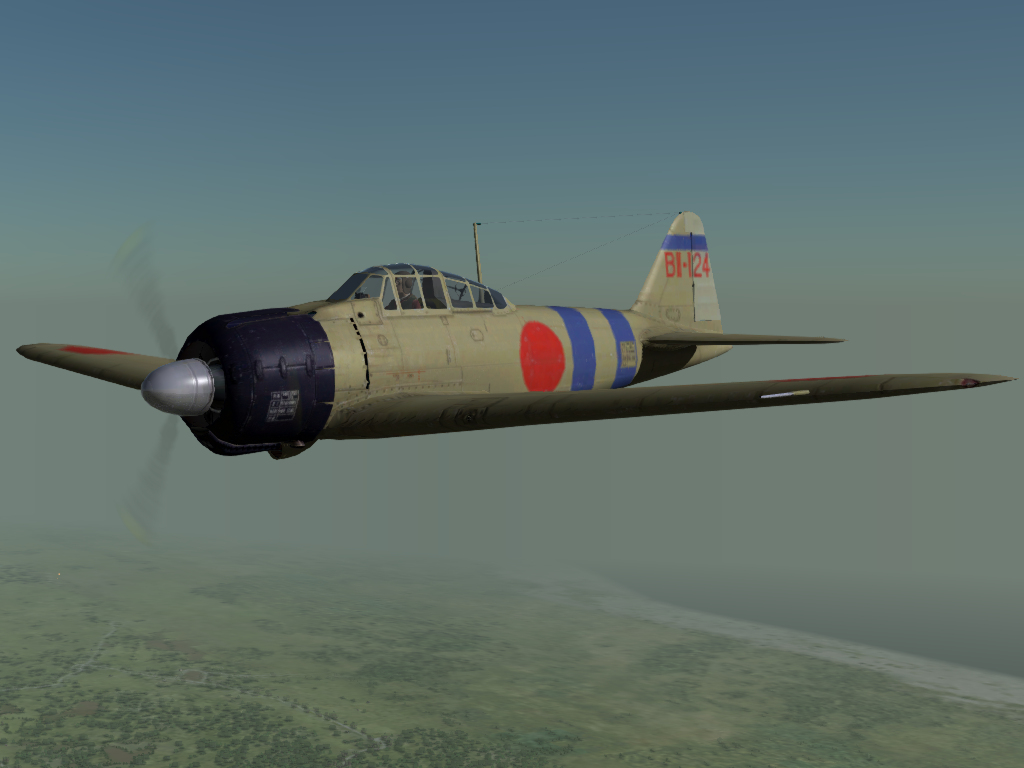
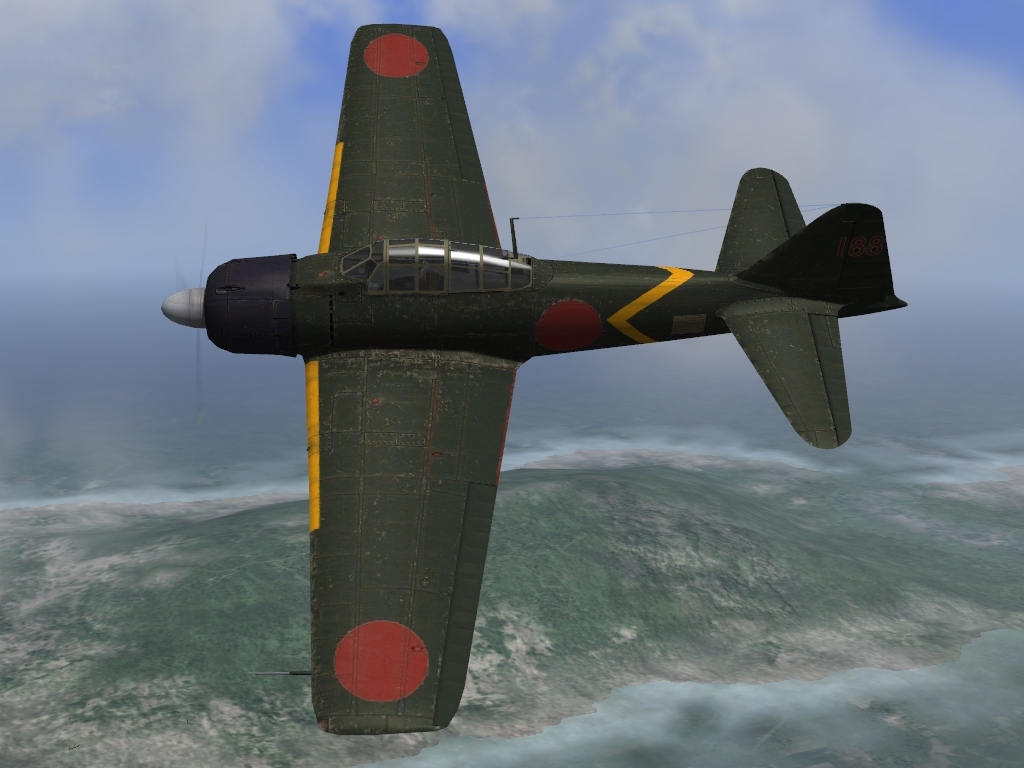
We hope you enjoyed this brief look at one of the more important engagements of World War 2. We also hope you try our free two-week download of Aces High. We are convinced that once you play Aces High you will become a regular in our worldwide playing party. Strap on your helmet and fly the skies with Aces High.