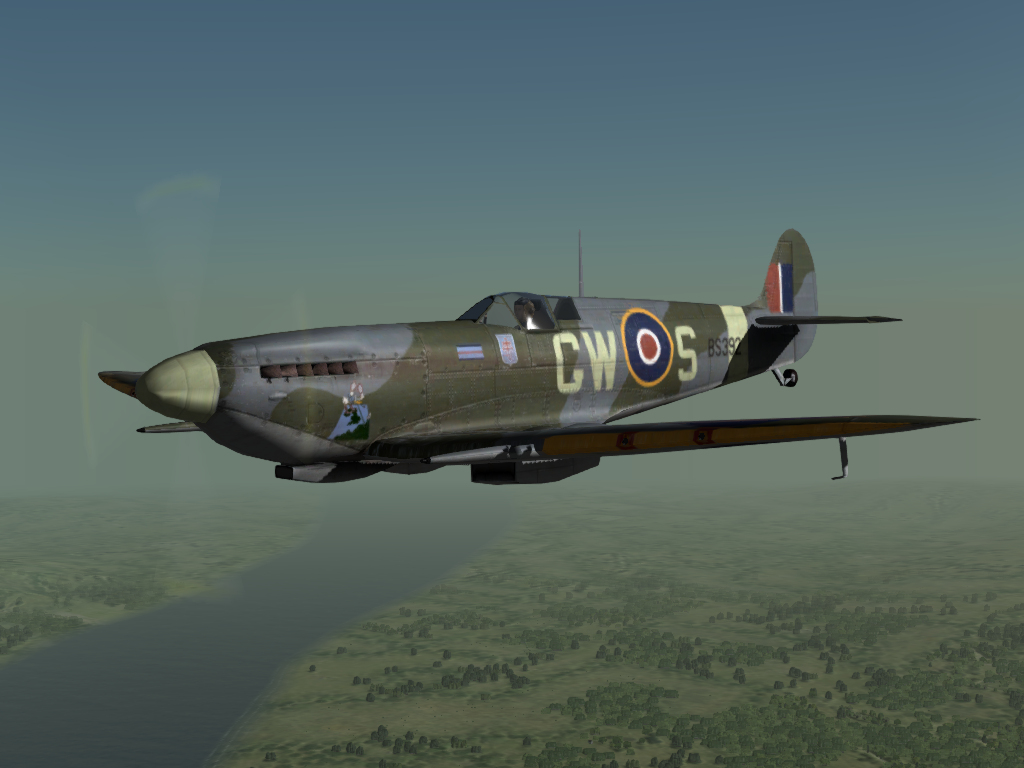
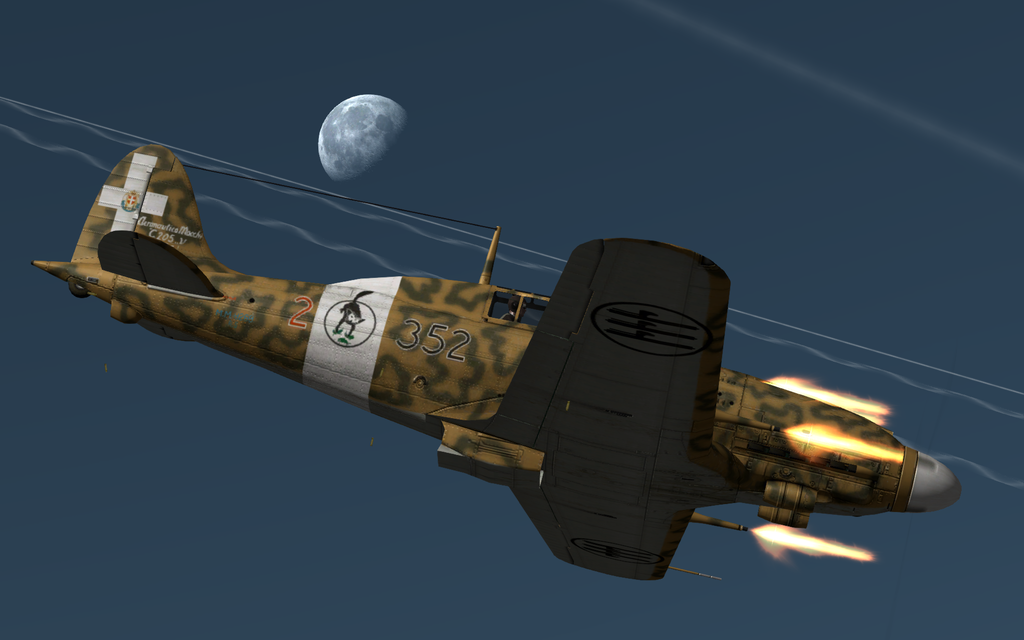
The Battle of Taranto in the Western Front of World War 2 was fought November 11-12, 1940, between the United Kingdom and Italy, and was part of the larger Battle of the Mediterranean. The United Kingdom entered the battle with 21 biplane torpedo bombers, 1 aircraft carrier, 2 heavy cruisers, 2 light cruisers, and 5 destroyers. The Italians fought with 6 battleships, 9 heavy cruisers, 7 light cruisers, and 13 destroyers.
As early as 1935, the UK drew up plans for capturing the Italian Regia Marina based at Taranto, a port-city on Italy's southeast coast in the Mediterranean Theater of World War 2.. As World War 2 drew closer, those plans were studied with increasing scrutiny, for it was known by all sides of the conflict that the Mediterranean Sea was crucial for winning the war, and Taranto was crucial in that struggle.
On the night of November 11, 1940, the Royal Navy launched the first-ever all aircraft ship-to-ship naval attack in history. They used a number of obsolescent Swordfish biplane torpedo bombers from the aircraft carrier HMS Illustrious. The Italian fleet was at anchor at the time of the attack, and the torpedoes,despite shallow water, wreaked devastating results on the Italian fleet. The Italian fleet lost half of its large ships that first night. The next day the Italians transferred all undamaged ships from Taranto to Naples for protection until the defenses at Taranto could be improved, defenses consisting mainly of anti-torpedo netting to protect anchored ships.
Because of this overwhelming battle, the British Navy enjoyed much more freedom in the Mediterranean, allowing them to split into two battlegroups instead of one, with each group consisting of one aircraft carrier and two battleships. For the time being, because of the Battle of Taranto, the British controlled the Mediterranean Sea.
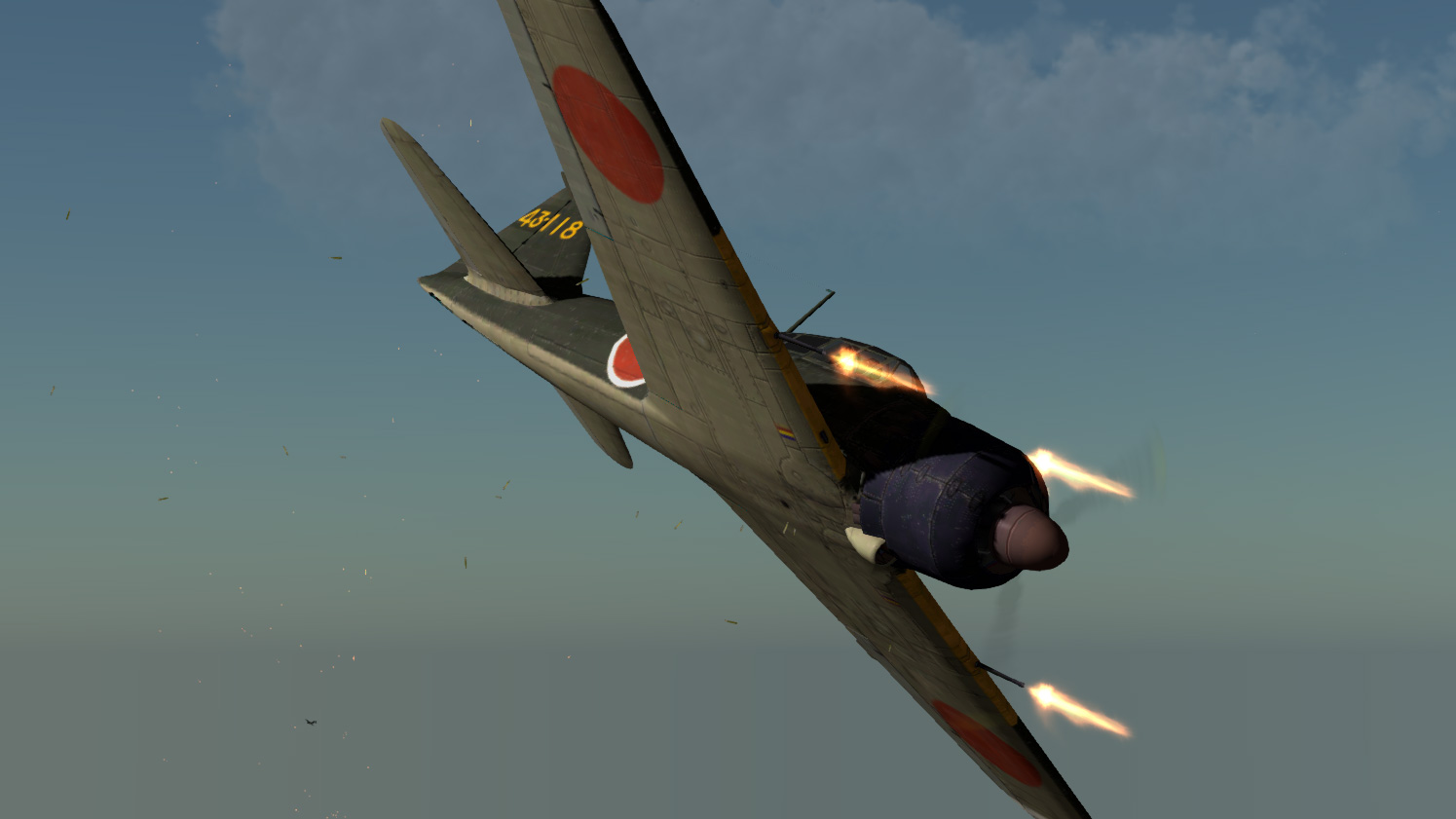
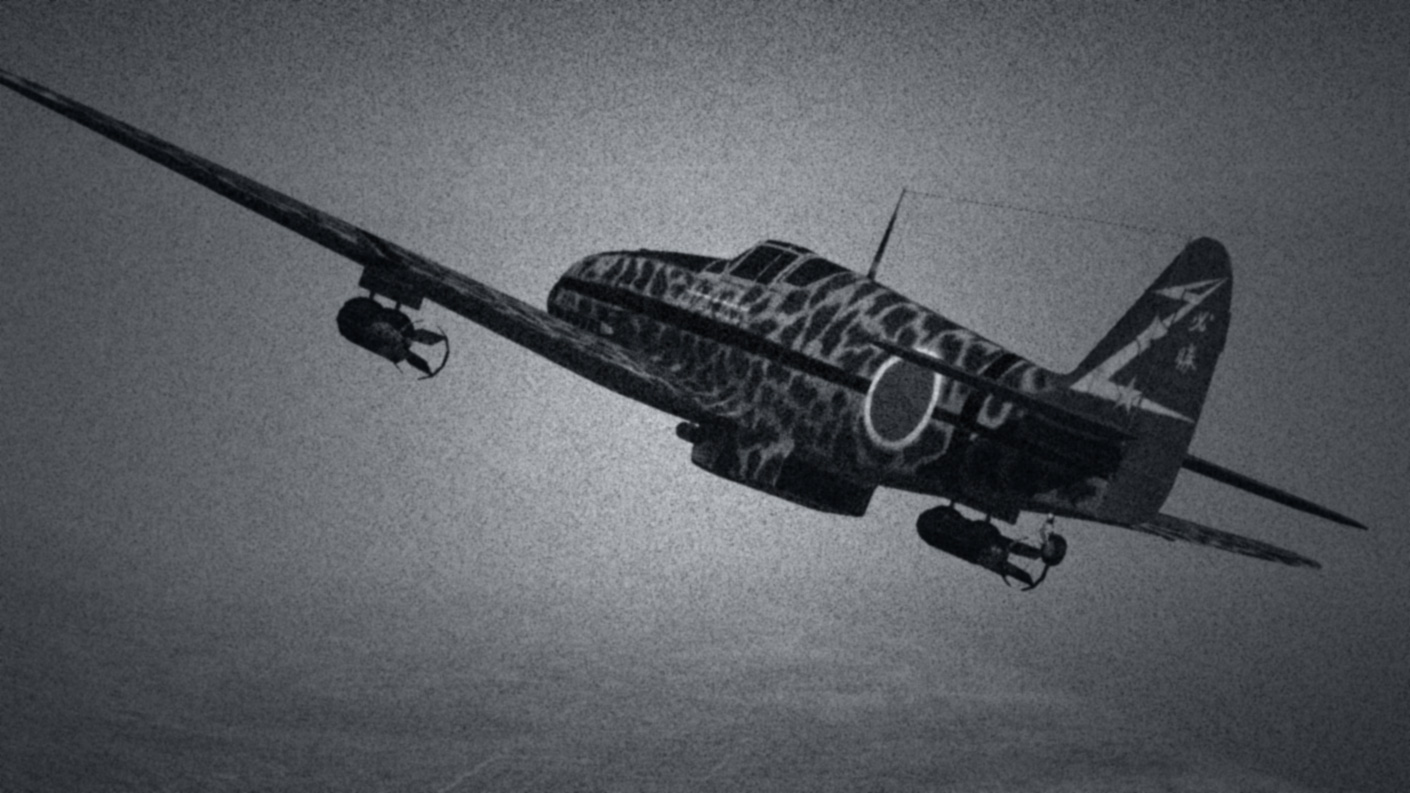
The battle also had historical significance because it is widely believed that the Japanese studied that battle very closely as a mean of preparing for Pearl Harbor one year in the future.In fact, in May, 1941, the Japanese visited Taranto and discussed the battle with Italian officers. They were particularly interested in the shallow water aspect of the battle since Pearl Harbor was also a shallow harbor port.
The Japanese attack on Pearly Harbor was considerably larger than the attack at Taranto, with six Imperial Japanese fleet carriers taking part in the battle, each one equipped with an air wing over twice the number of planes of any British carrier. The result at Pearl Harbor was massive destruction with seven American battleships sunk or disabled. The significant difference, however, between Taranto and Pearl Harbor is that the win at Pearl Harbor did not significantly alter the balance of power in the Pacific Theater like Taranto did in the Mediterranean. With six months of Pearl Harbor, the Japanese suffered a defeat in the Battle of the Coral Sean, an in June suffered a decisive defeat in the Battle of Midway. The Japanese never again seriously threatened the balance of power in the Pacific Theater.
We hope you enjoyed this brief history lesson about the Battle of Taranto. Join us each week for more interesting World War 2 events, and we also invite you to play Aces High, the popular online combat flight simulator. Fly the skies with Aces High!