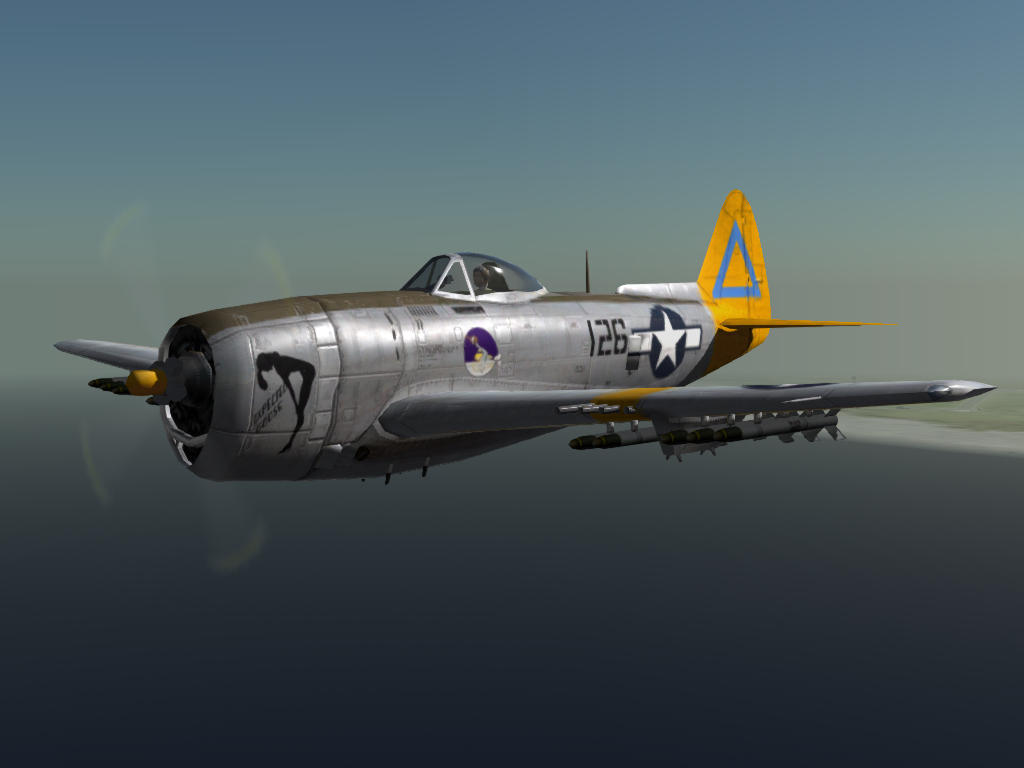
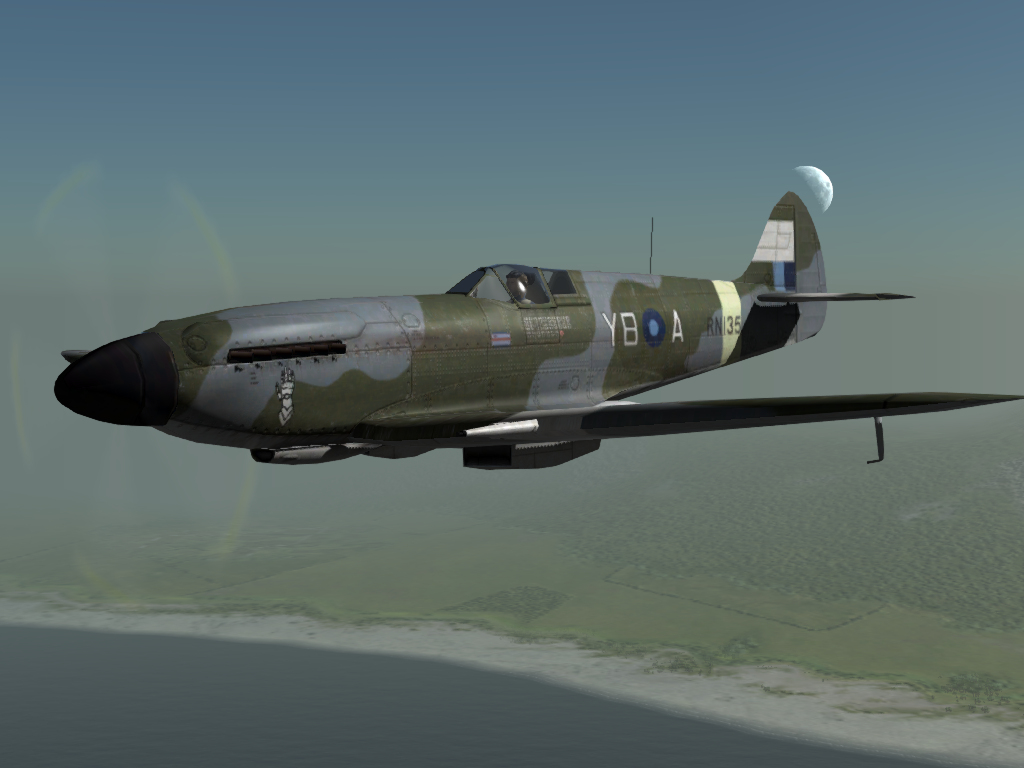
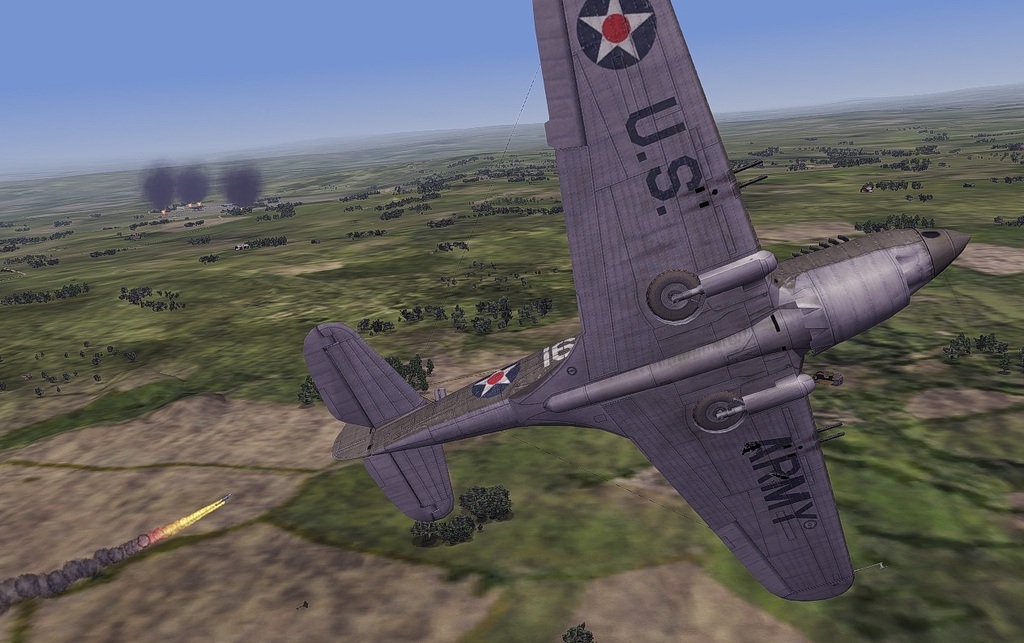
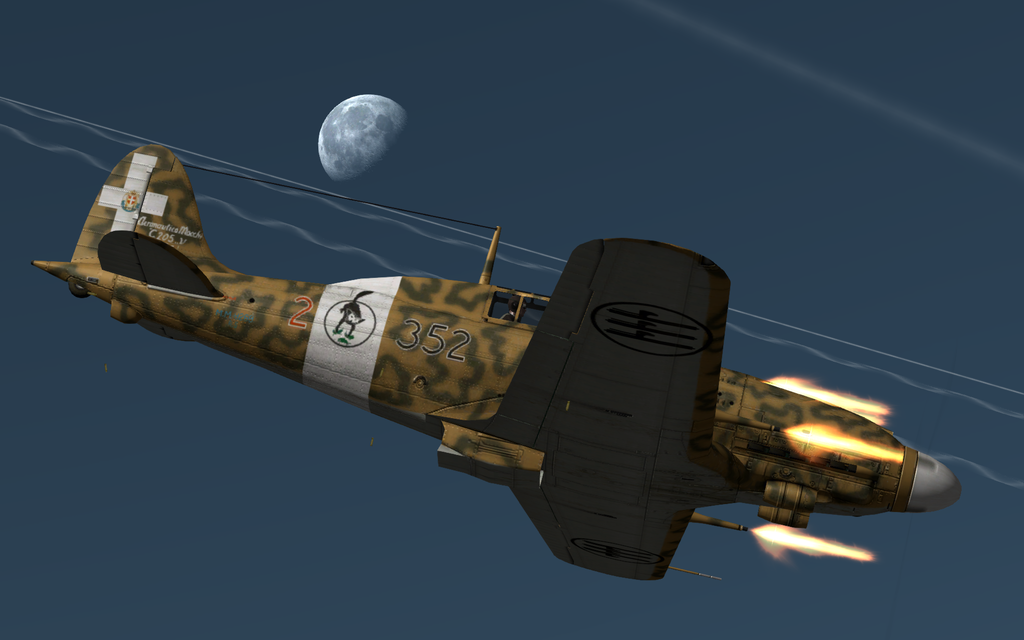
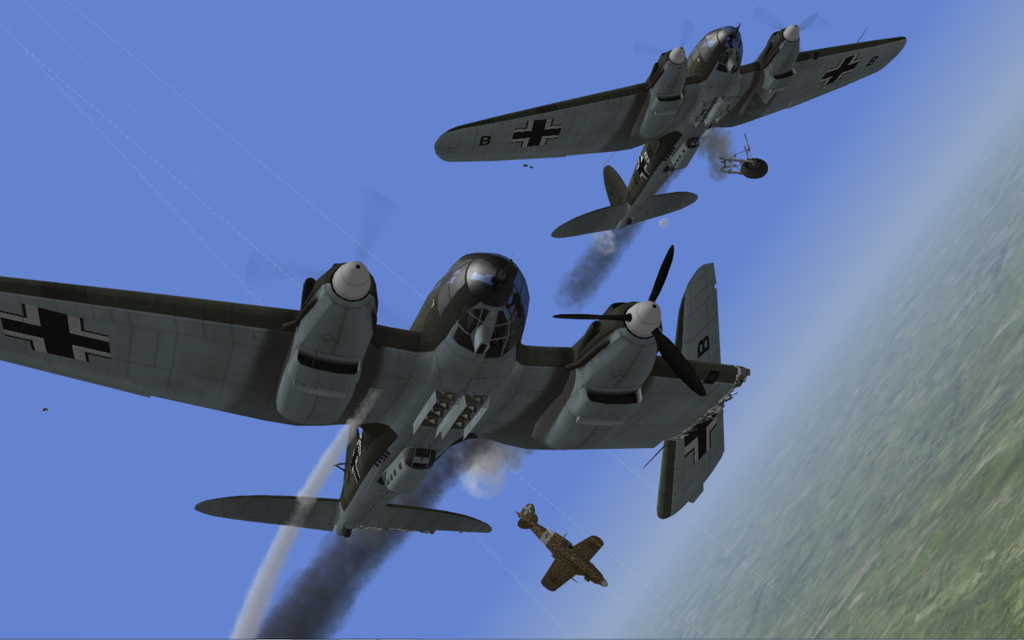
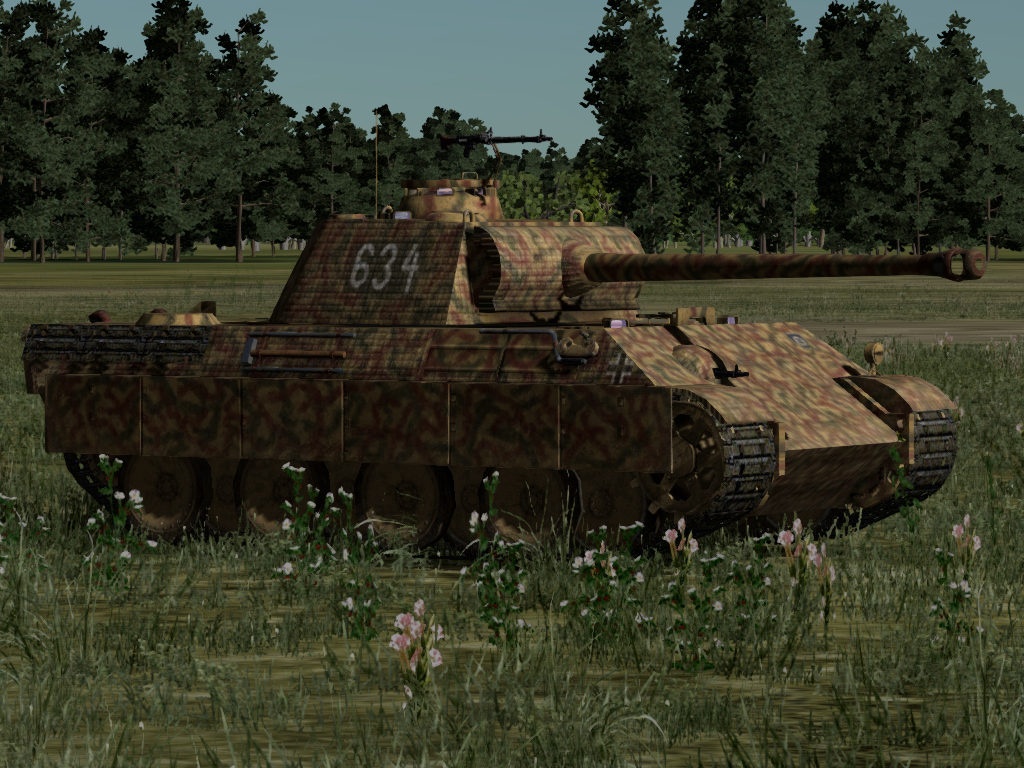
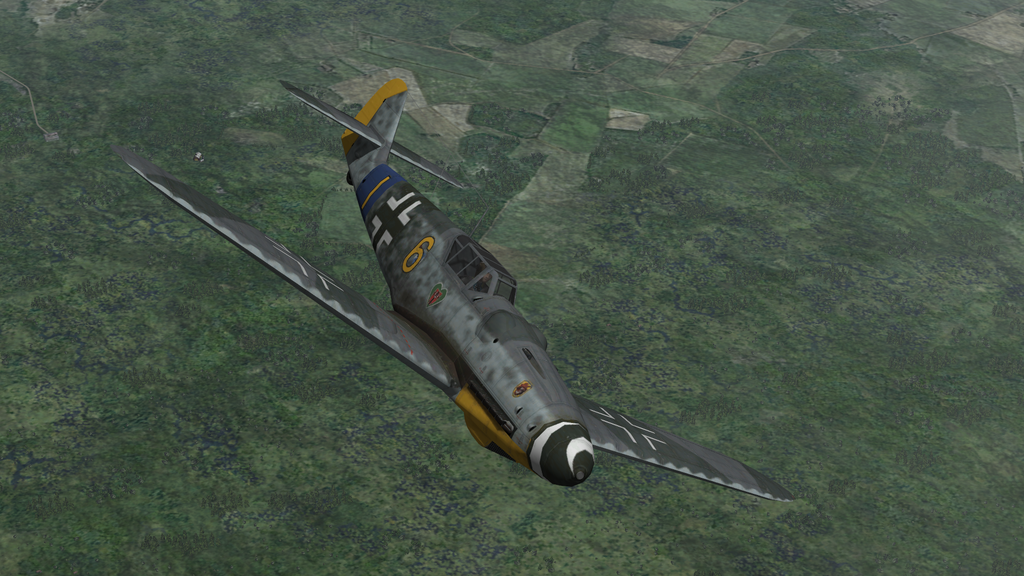
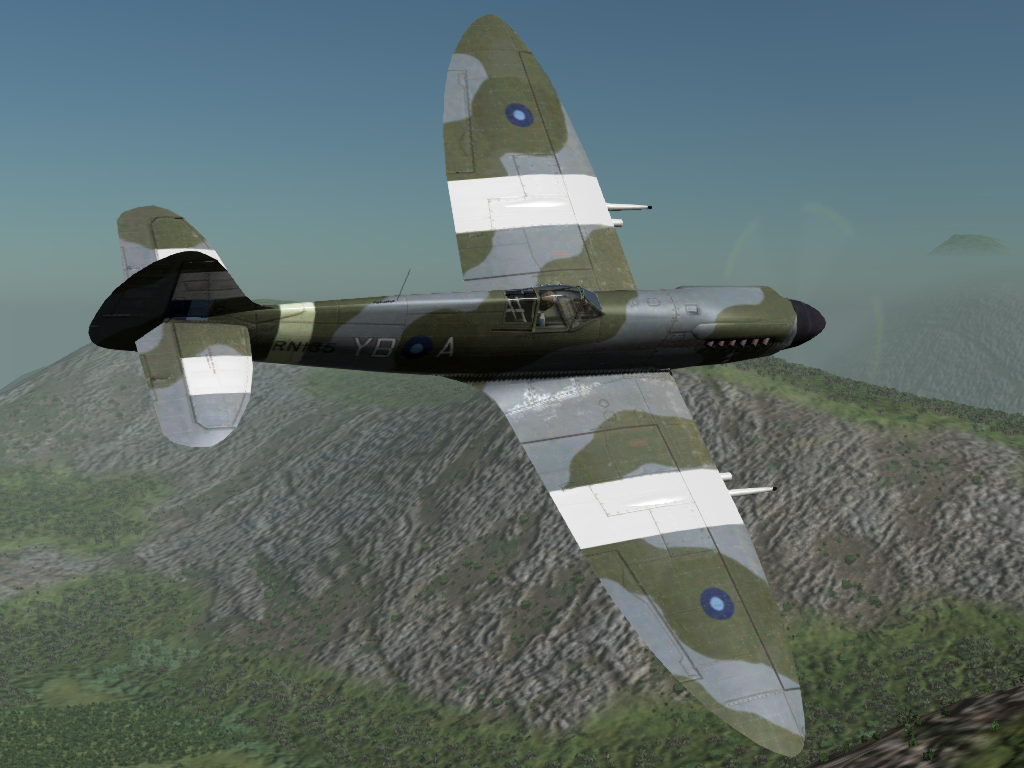
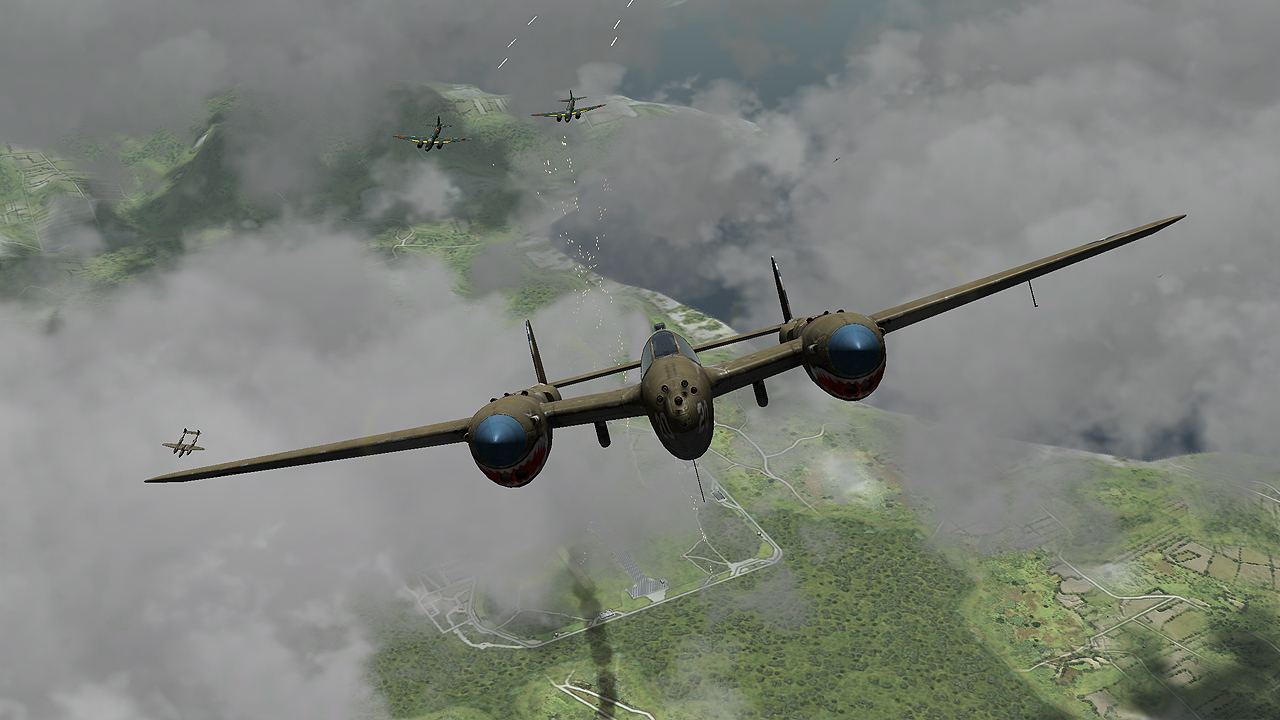
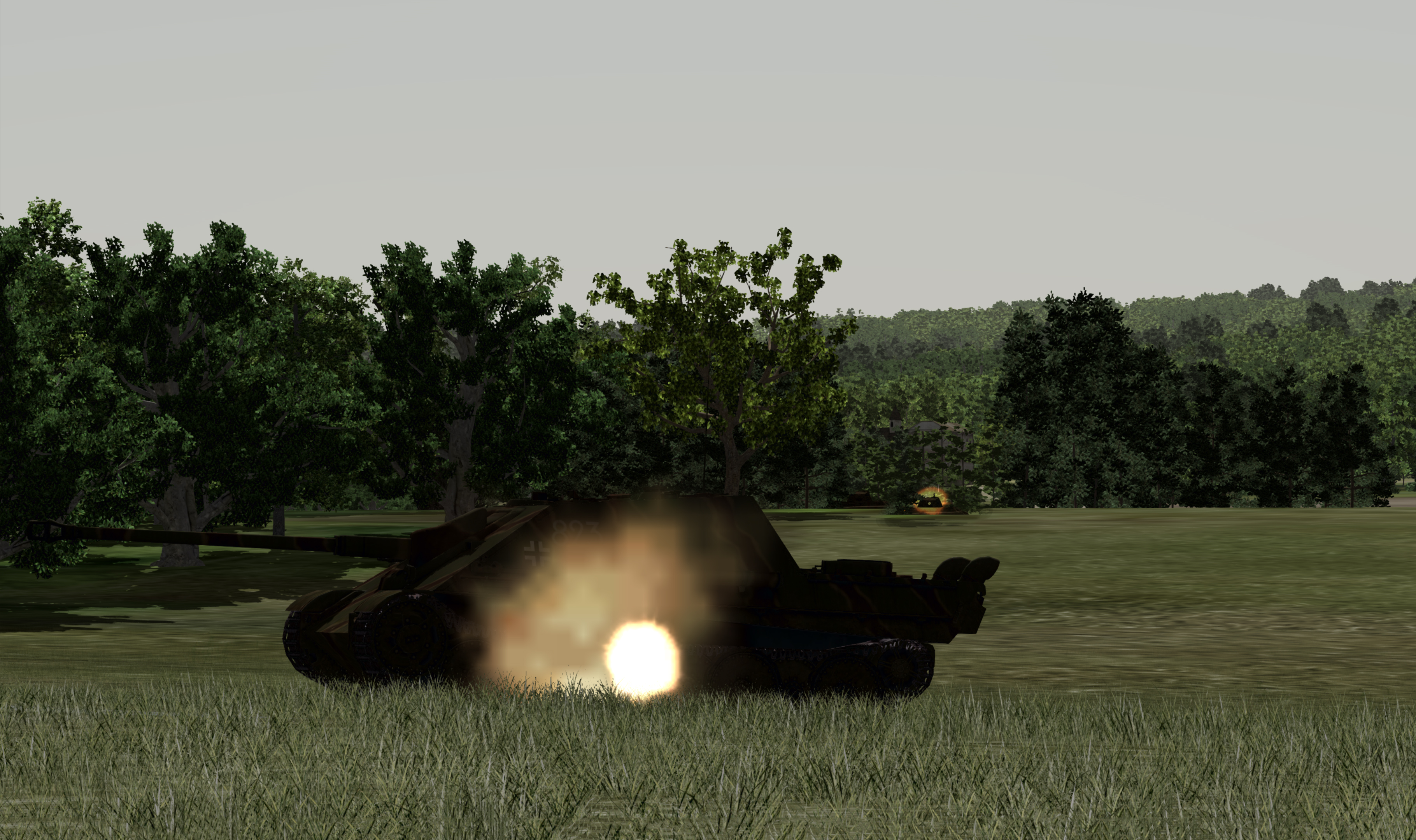
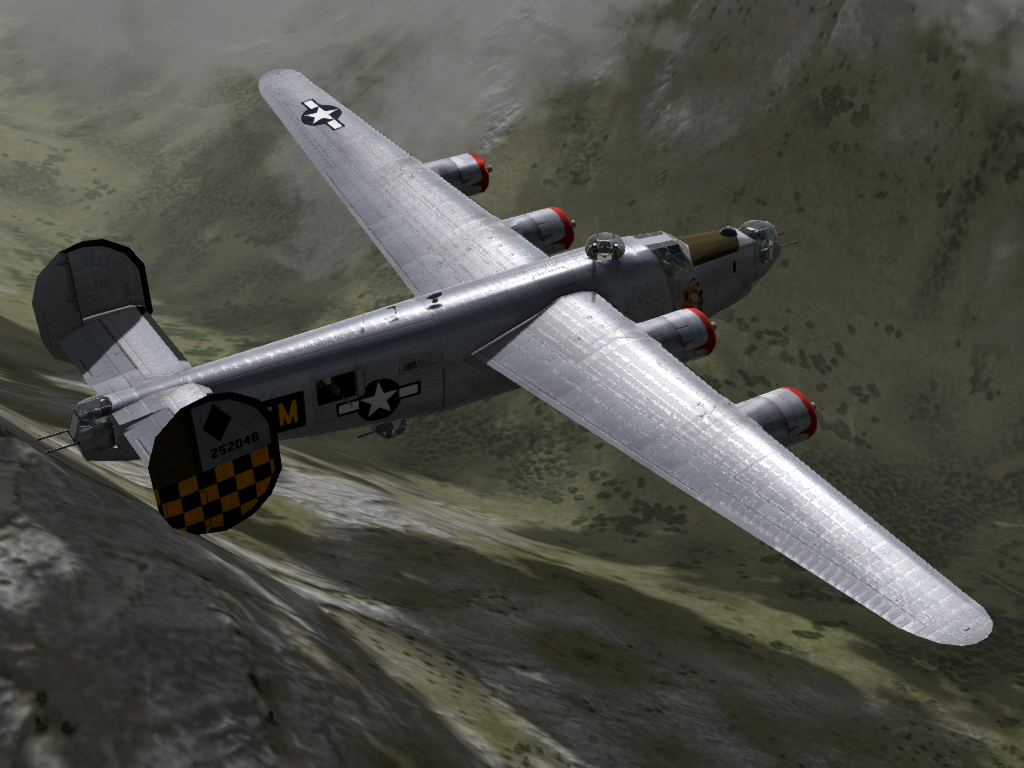
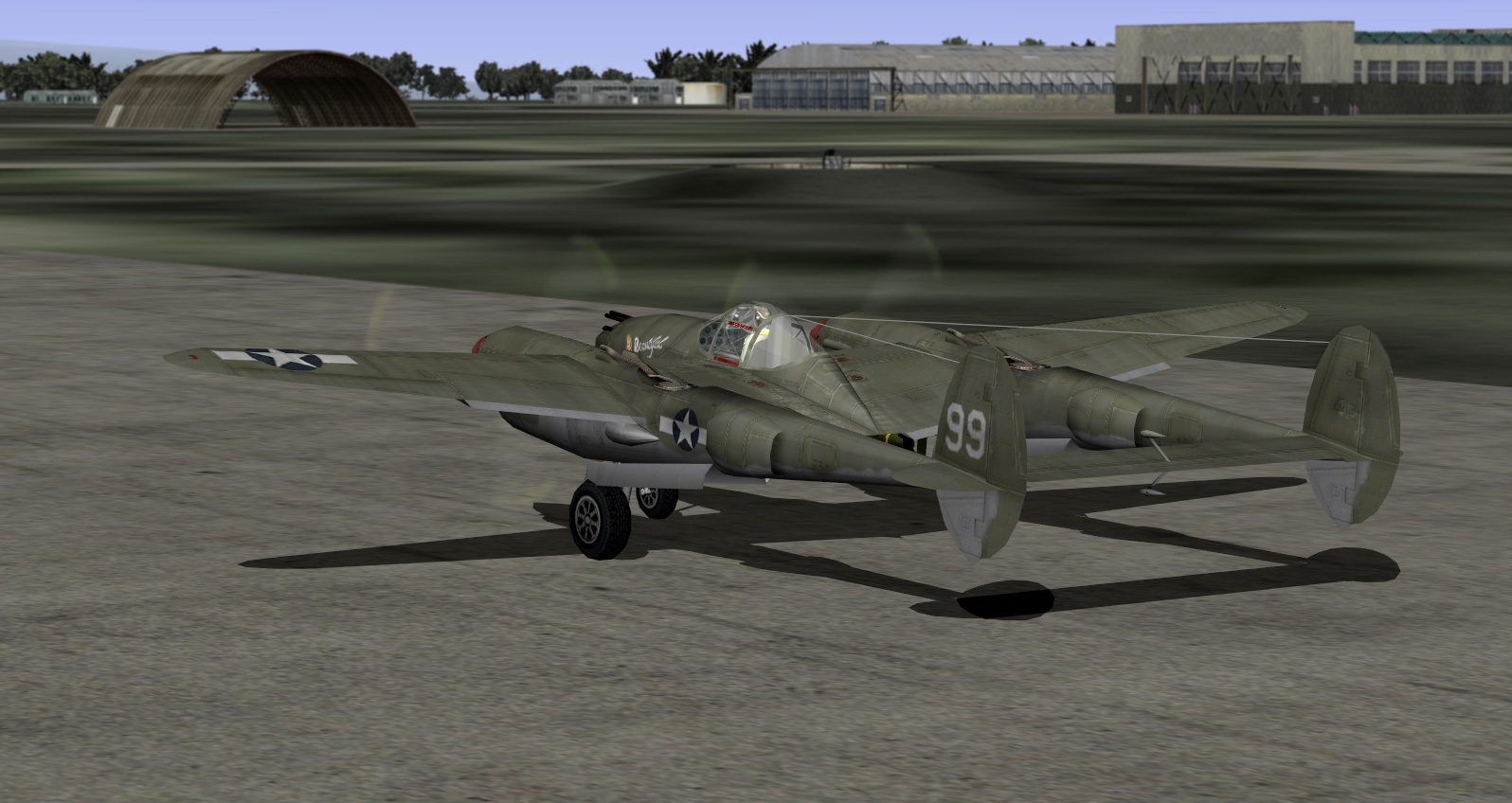
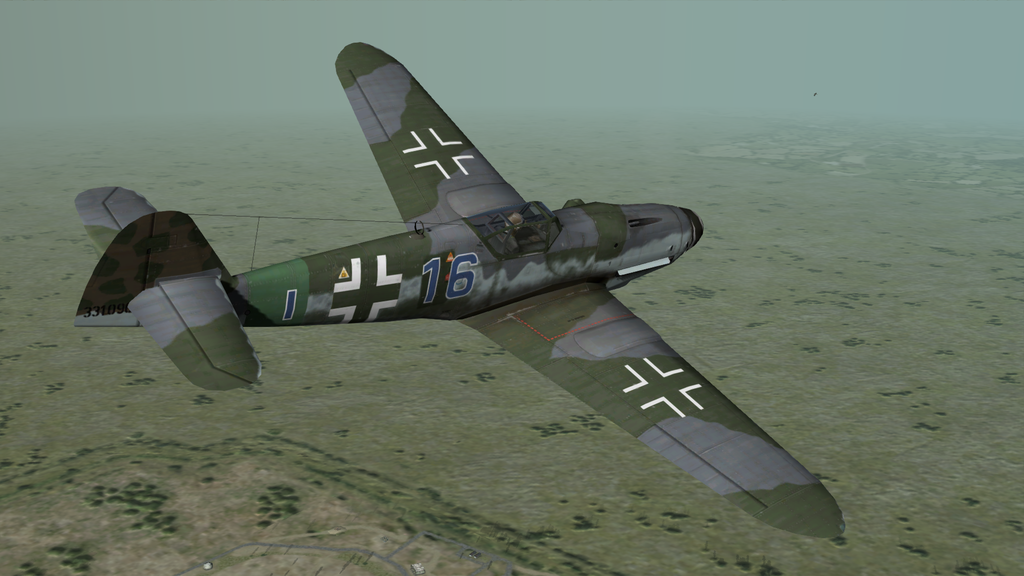
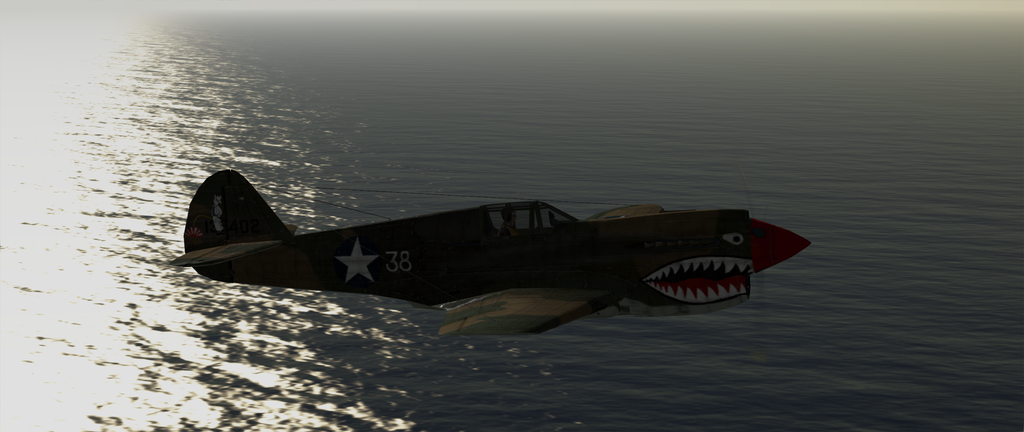
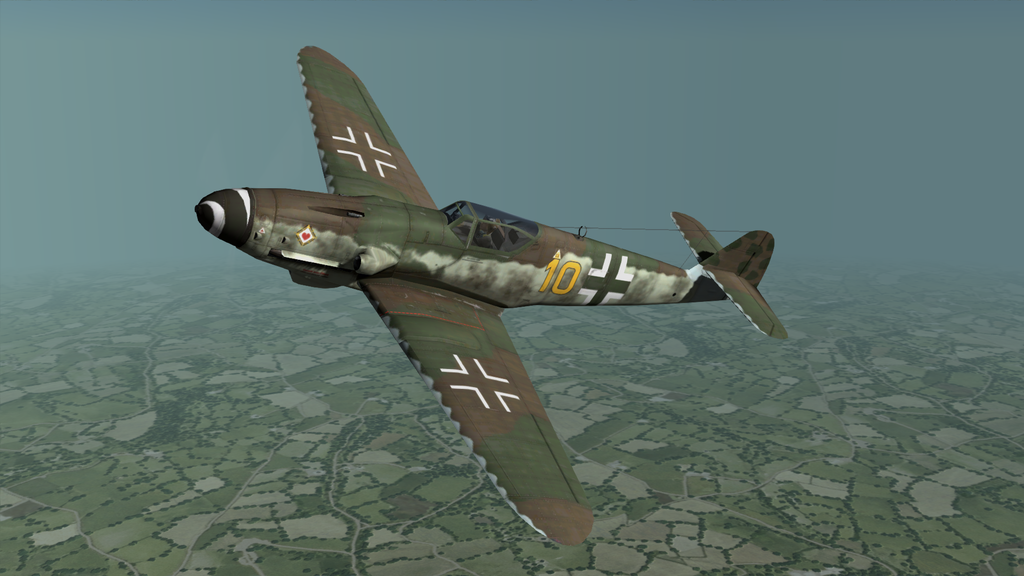
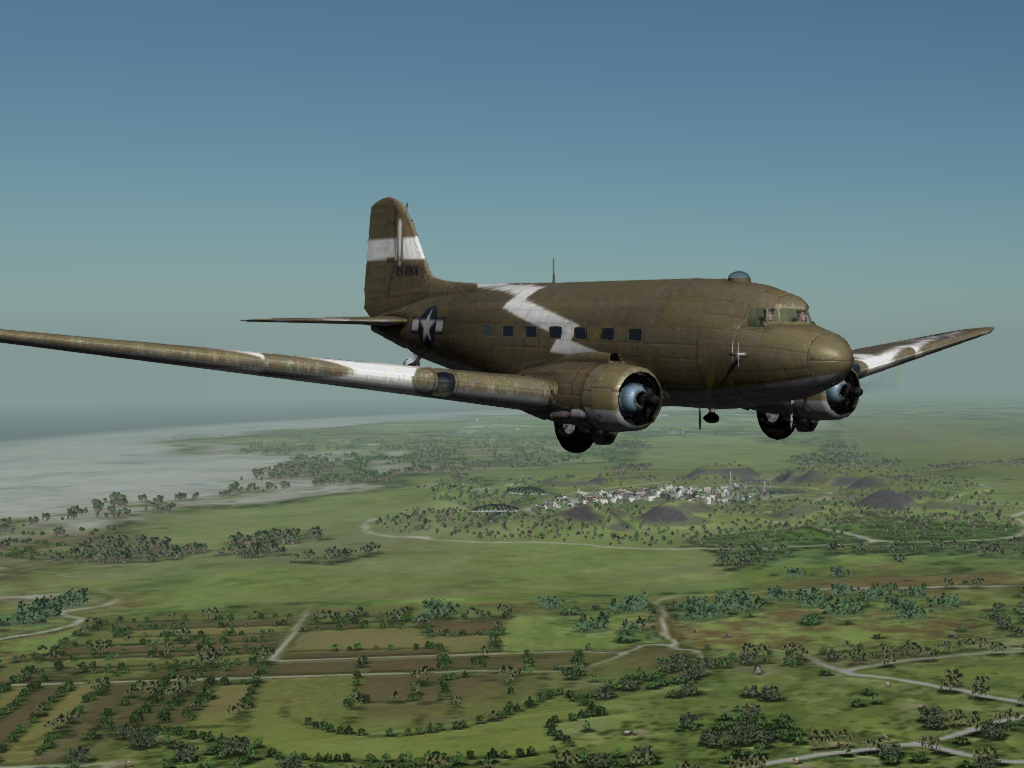
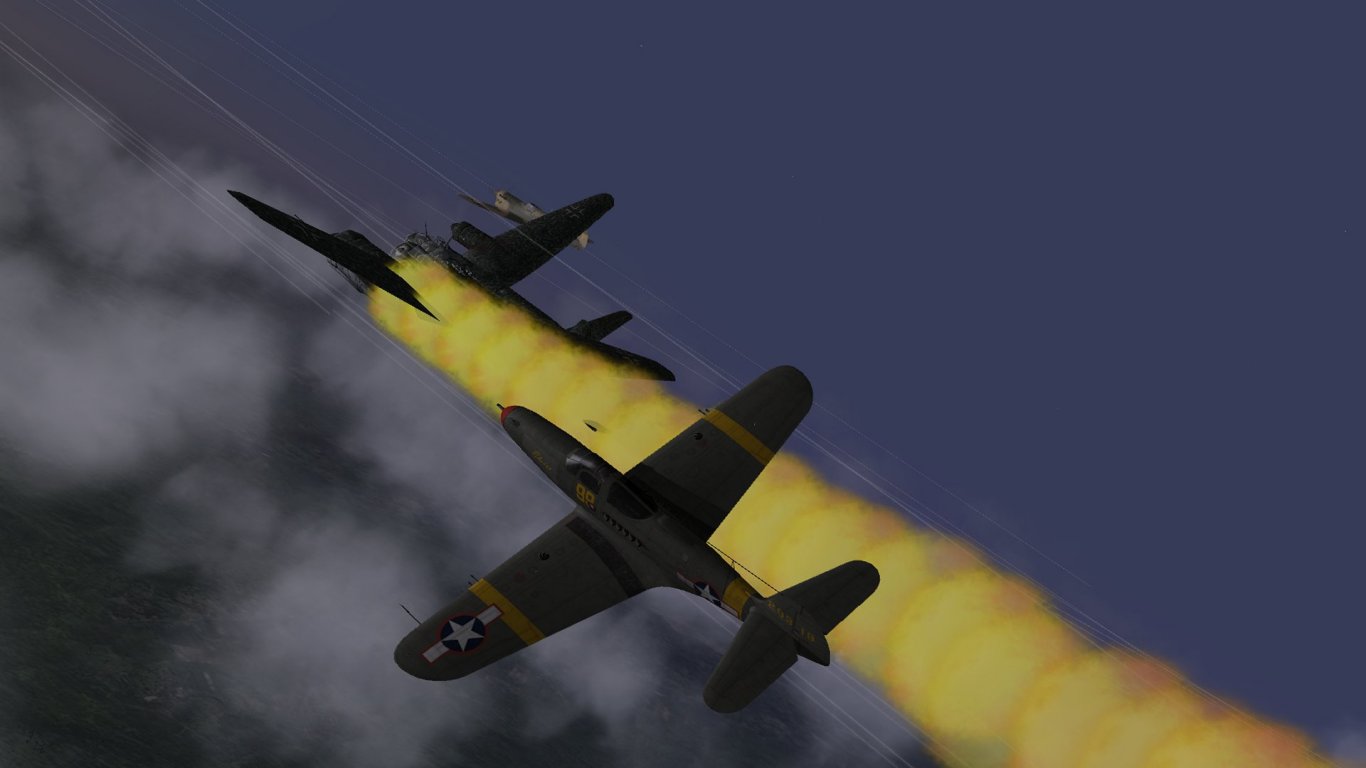
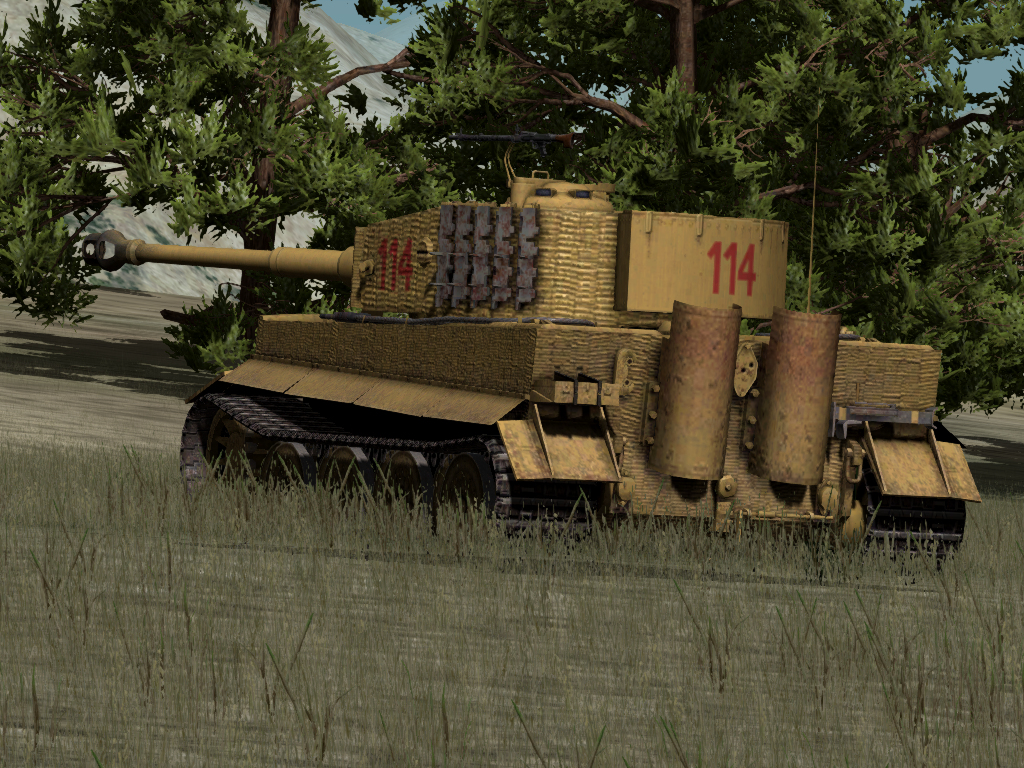
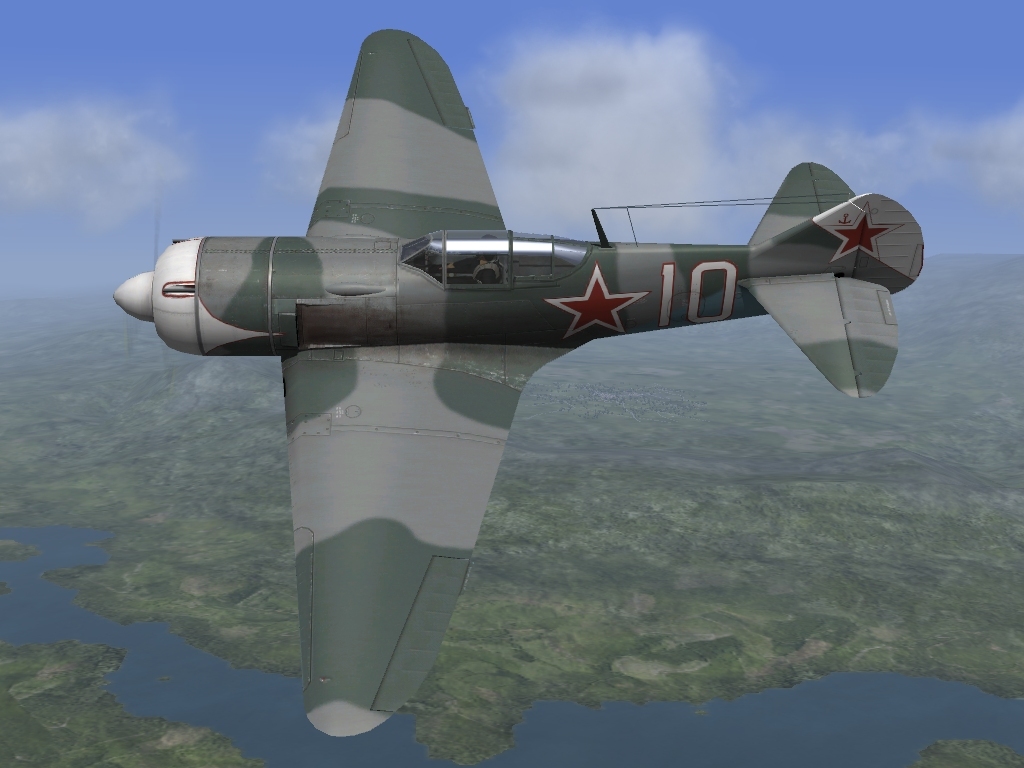
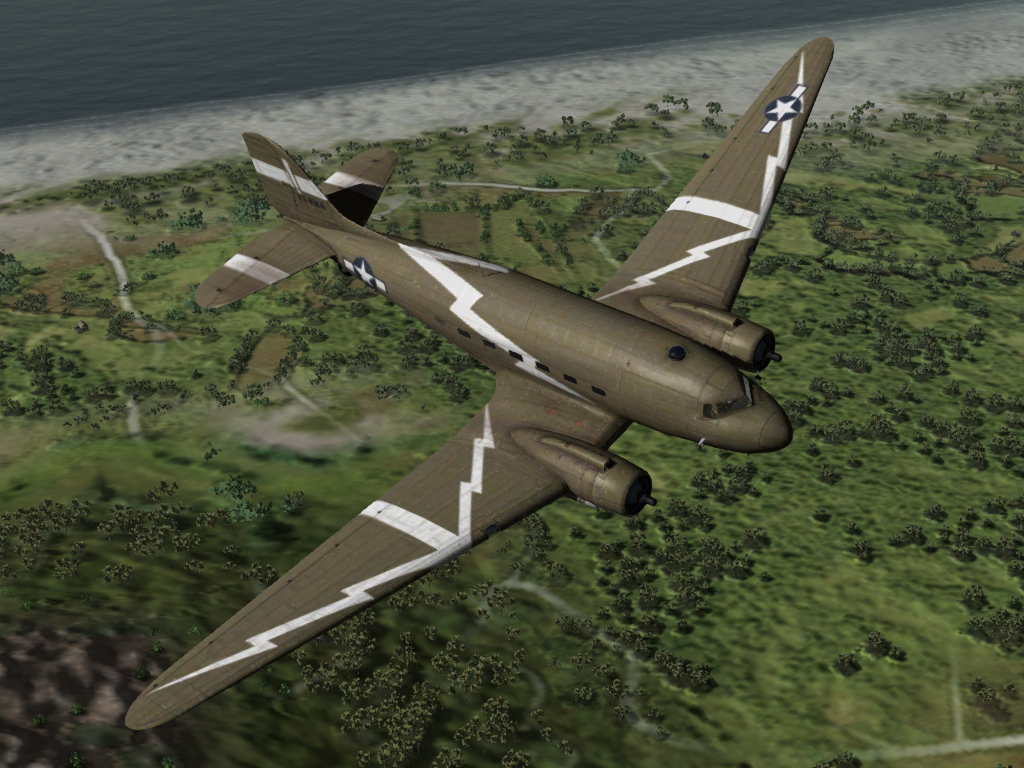
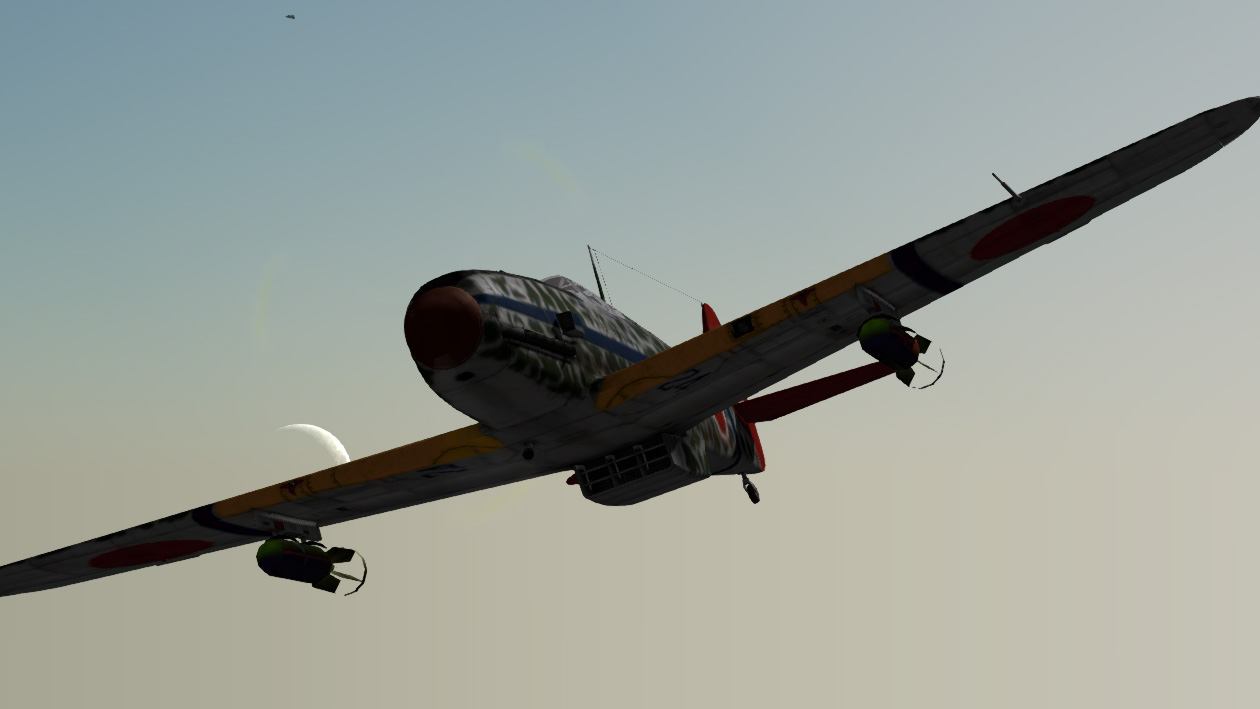
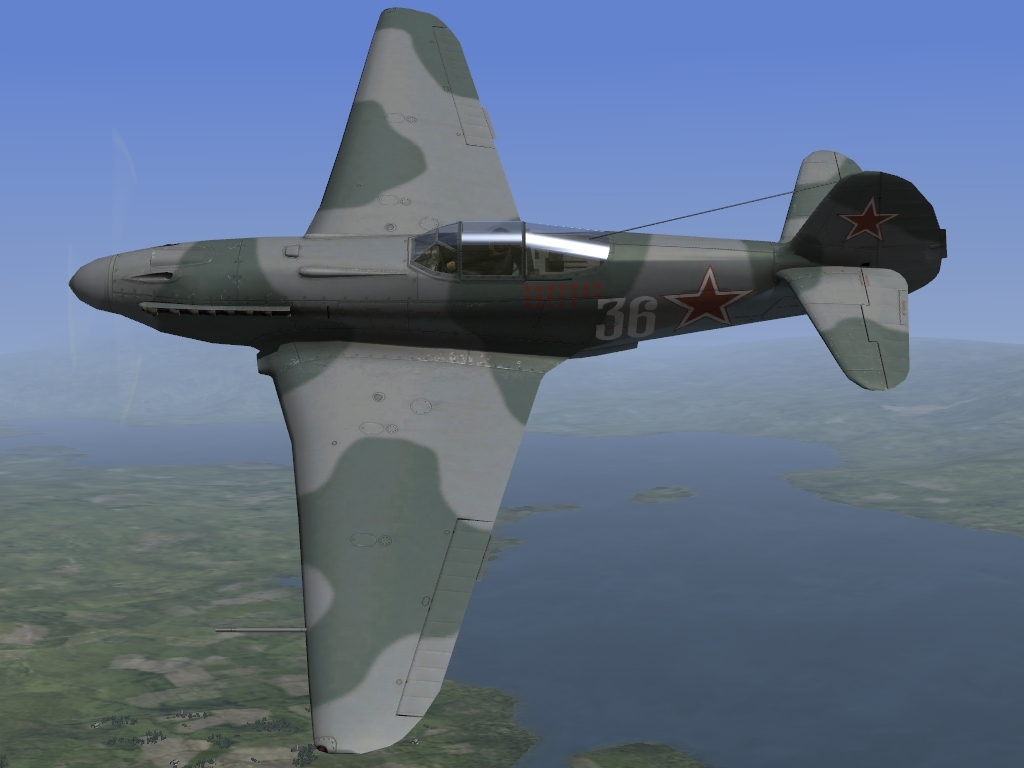
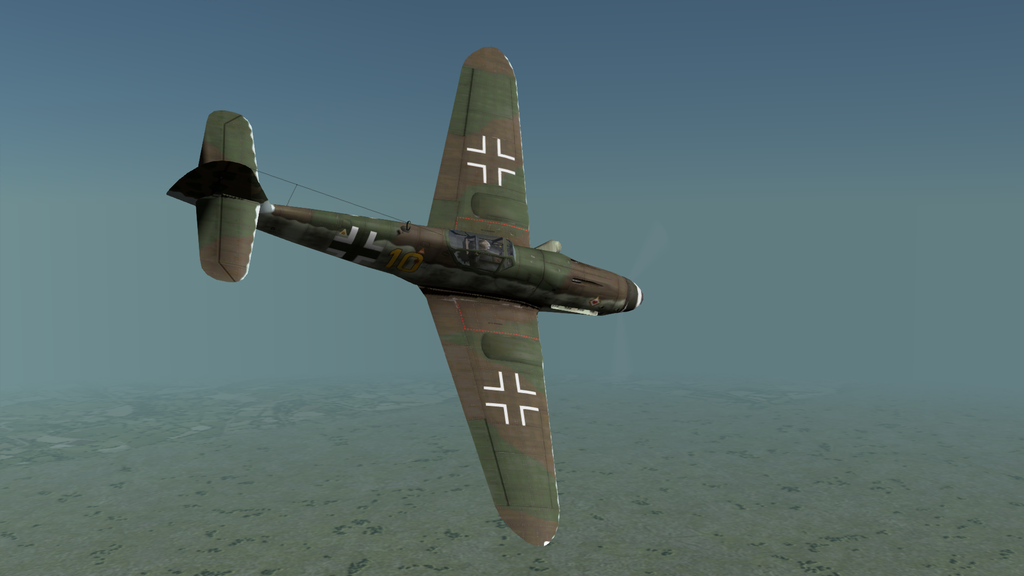
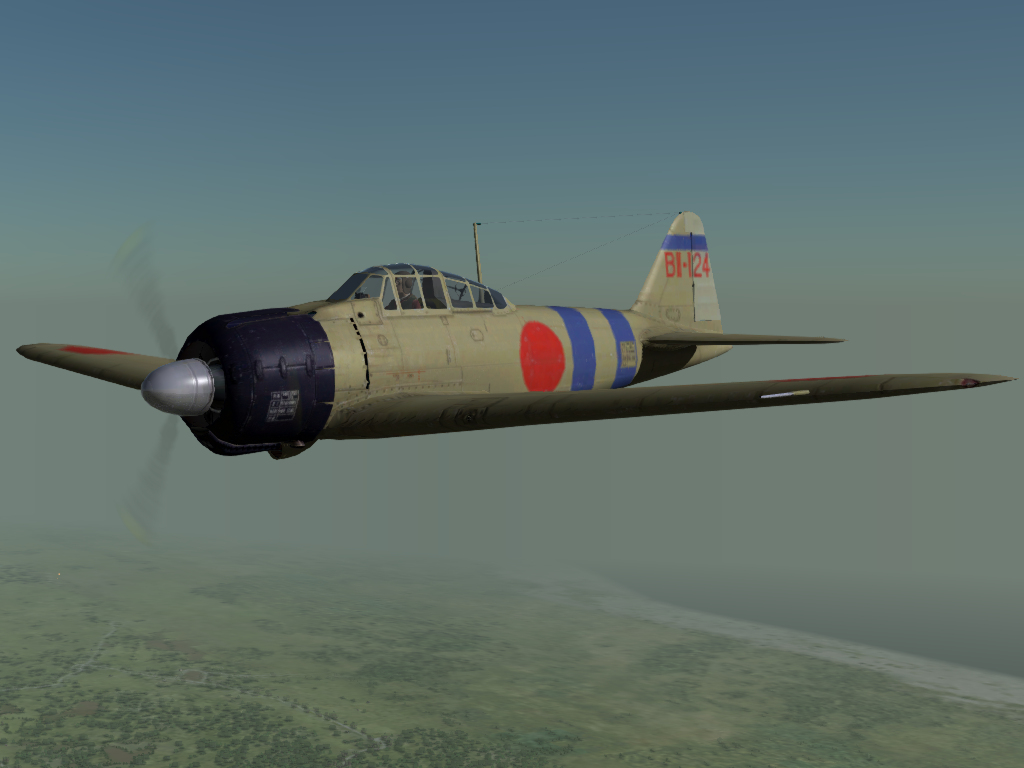
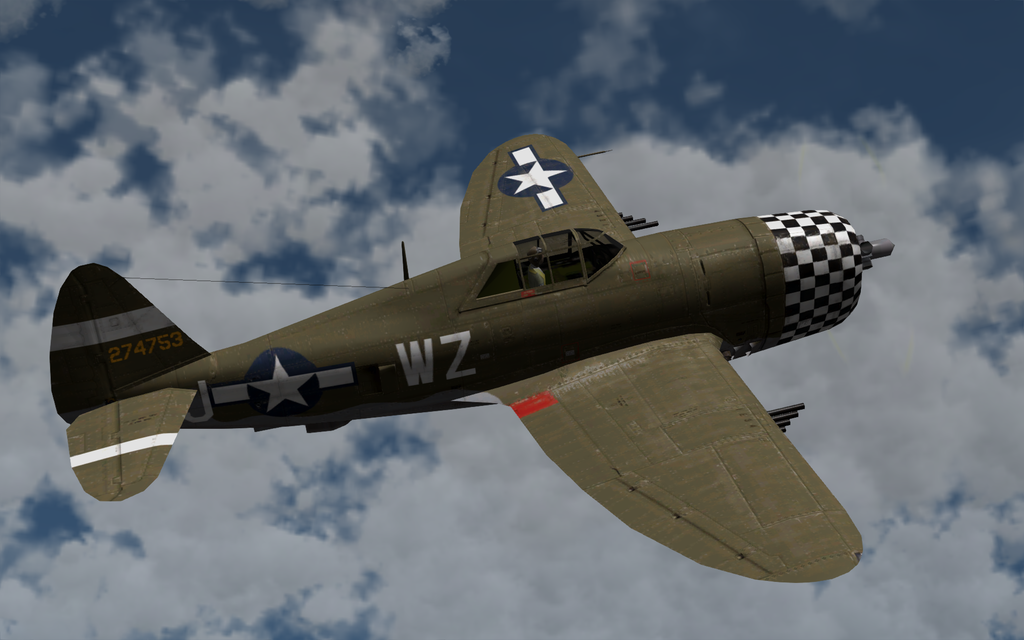
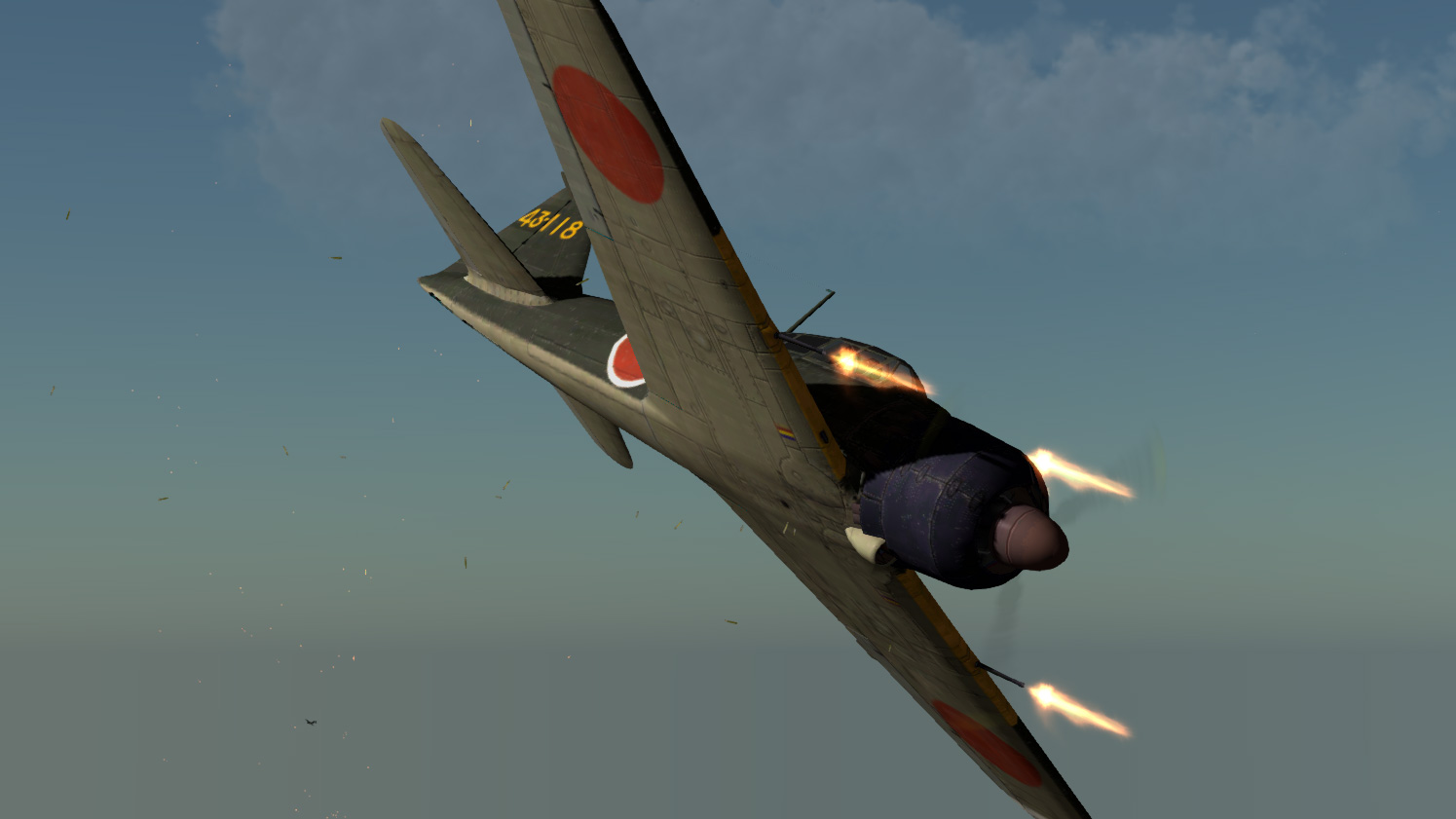
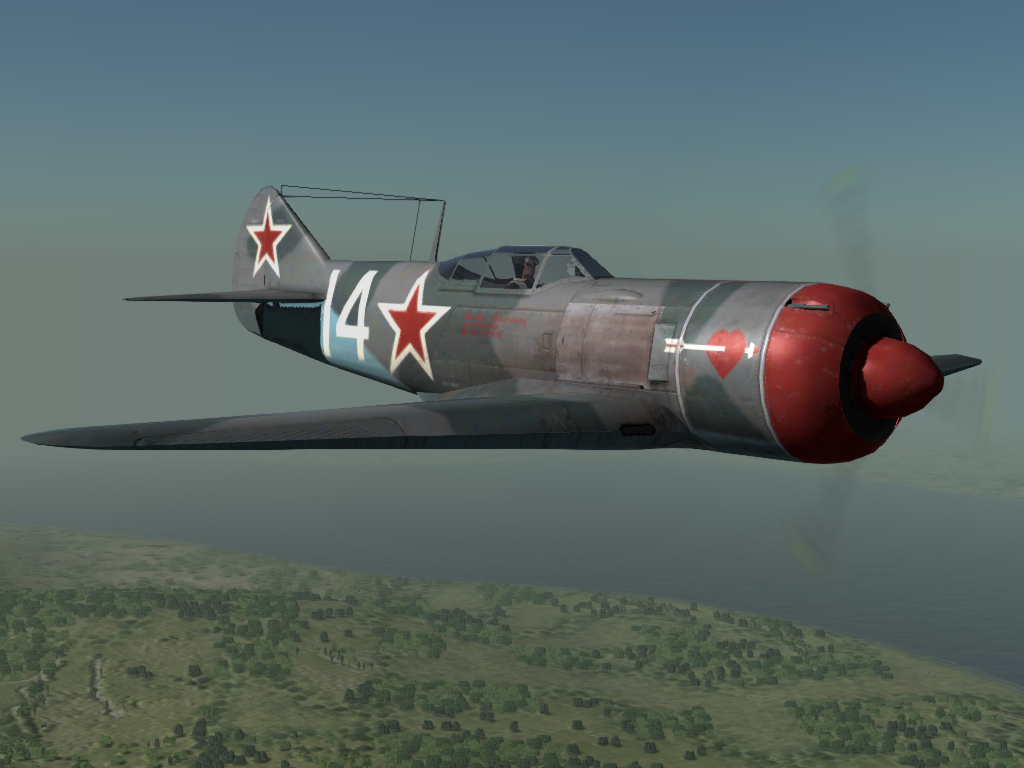
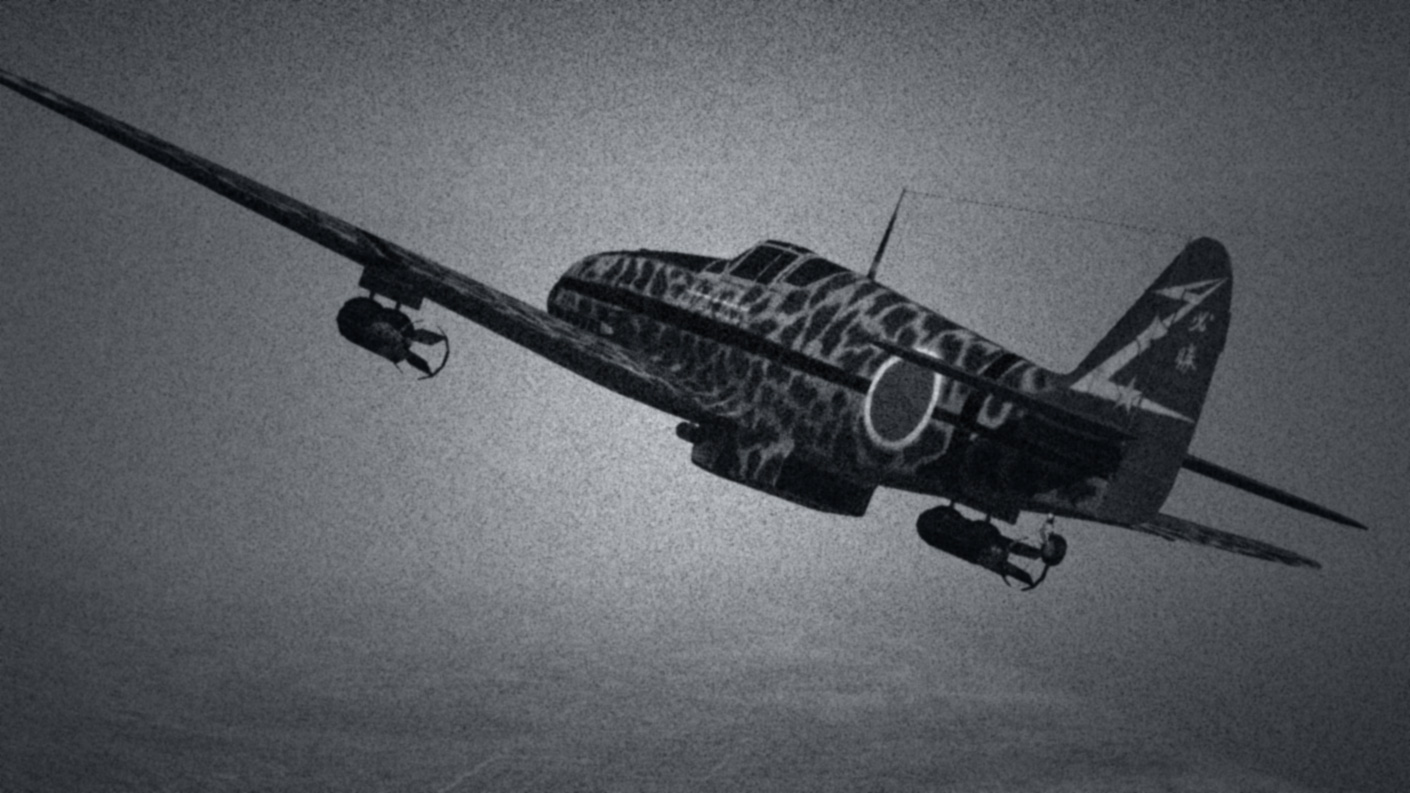
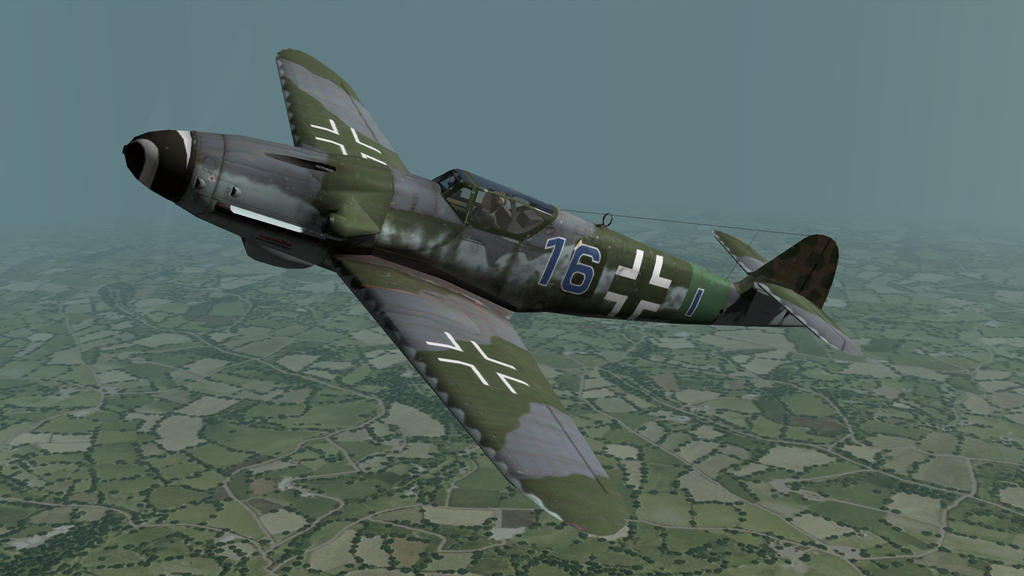
The use of video games as authentic learning tools is a controversial subject in the educatinal community. In the past, video games have been labeled violent, pointless, and mind-numbing, but now educators, and parents, are exploring the benefits of video games, like Aces High flight simulator, in the engagement and success of students.
Kids in grades K-12 today, also known as Generation Z, don’t know a world without the internet, and are the most tech-savvy generation yet. Almost 50% of them spend 10+ hours online daily, and thirty-thousands hours gaming by the age of 20. By using these statistics to their advantage, educators will be able to better engage with students, and evolve from the traditional lecture-and-test classrooms that our 20th century educational system is accustomed to. As an added bonus, games like Aces High, the combat simulator with attitude, make learning fun.
Video games allow humans to think as a network rather than on their own, and sets their minds free. Players can wander around the digital World War 2 terrain interacting with whatever and whomever they encounter. “Human minds are plug-and-play devices; they’re not meant to be used alone. They’re meant to be used in networks,” says James Gee, a professor of literacy studies at Arizona State University, who holds degrees in philosophy and linguistics from Stanford.
Further, games like Aces High flight sim help us develop non-cognitive skills, like patience, discipline, collaboration, problem solving, and more that exemplify how we behave, explain how we learn and, ultimately, if we succeed. You can’t get that from a traditional classroom and textbook setting. The traditional classroom, in many ways, stifles some of those skills that are crucial for human learning. For example, persistence is a choice many games allow users to make when they are faced with negative performance. Rather than abandoning the game altogether, they often persevere to find a better way. On the other hand, test scores are often the final decision in the classroom.
On top of that, most massively multi-player online (MMO) games feature a system of points, badges, rewards and leader boards to account for people’s different motivations and needs for interaction or self-expression. Experts say those same features can be replicated in an educational context where rewards can go beyond simple stars. Better questions, and more difficult tasks could be the reward for good work. Defeat the enemy over the Western Front of World War Two, while playing Aces High, and you are instantly rewarded by moving up the standings among the MMO players.
There are some aspects of video games that pose some serious questions in a parent’s mind, but the fact is, video games aren’t going anywhere. But by working with the concept, video games could be the 21st century’s take on learning.
This is such an important matter to consider as parents struggle to find a way to keep their child interested during remote learning in this 2020 pandemic. Finding a way for a child to be interested in World War 2 plus have fun doing it, that is a gold mine for any parent.
Aces High: strap on a helmet and fly the skies with Aces High.