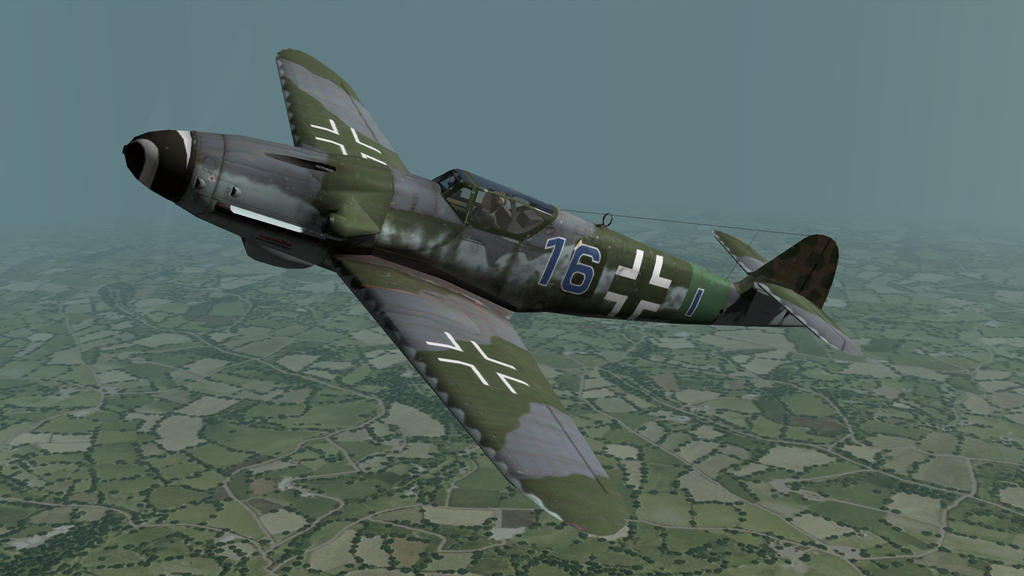
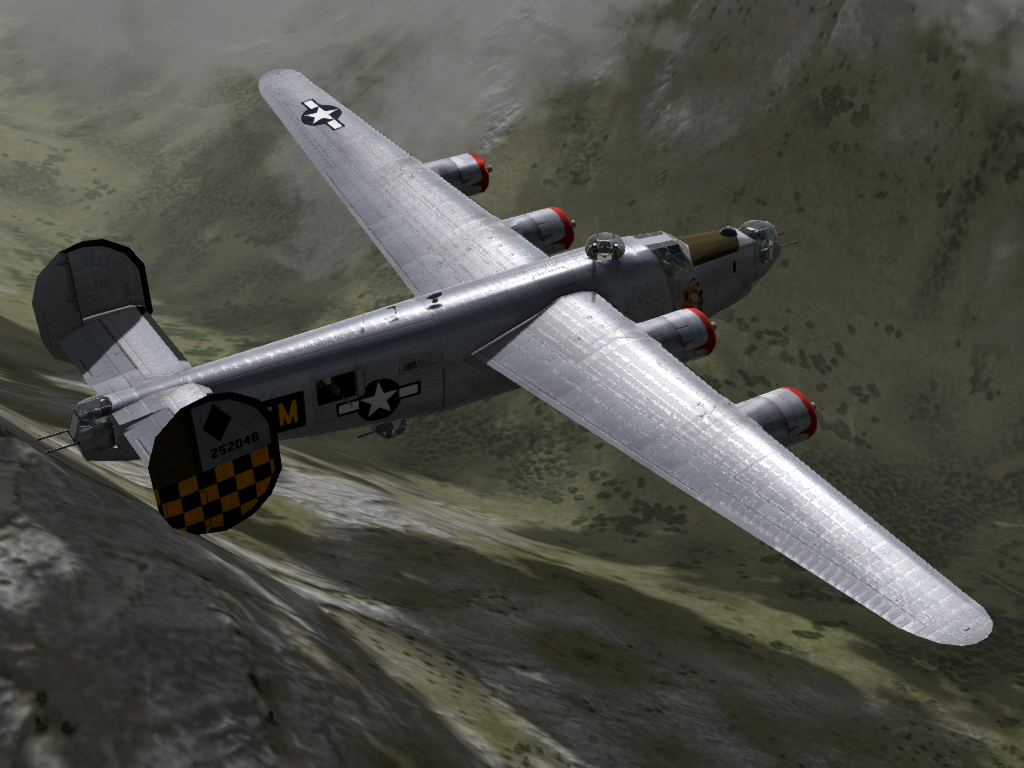
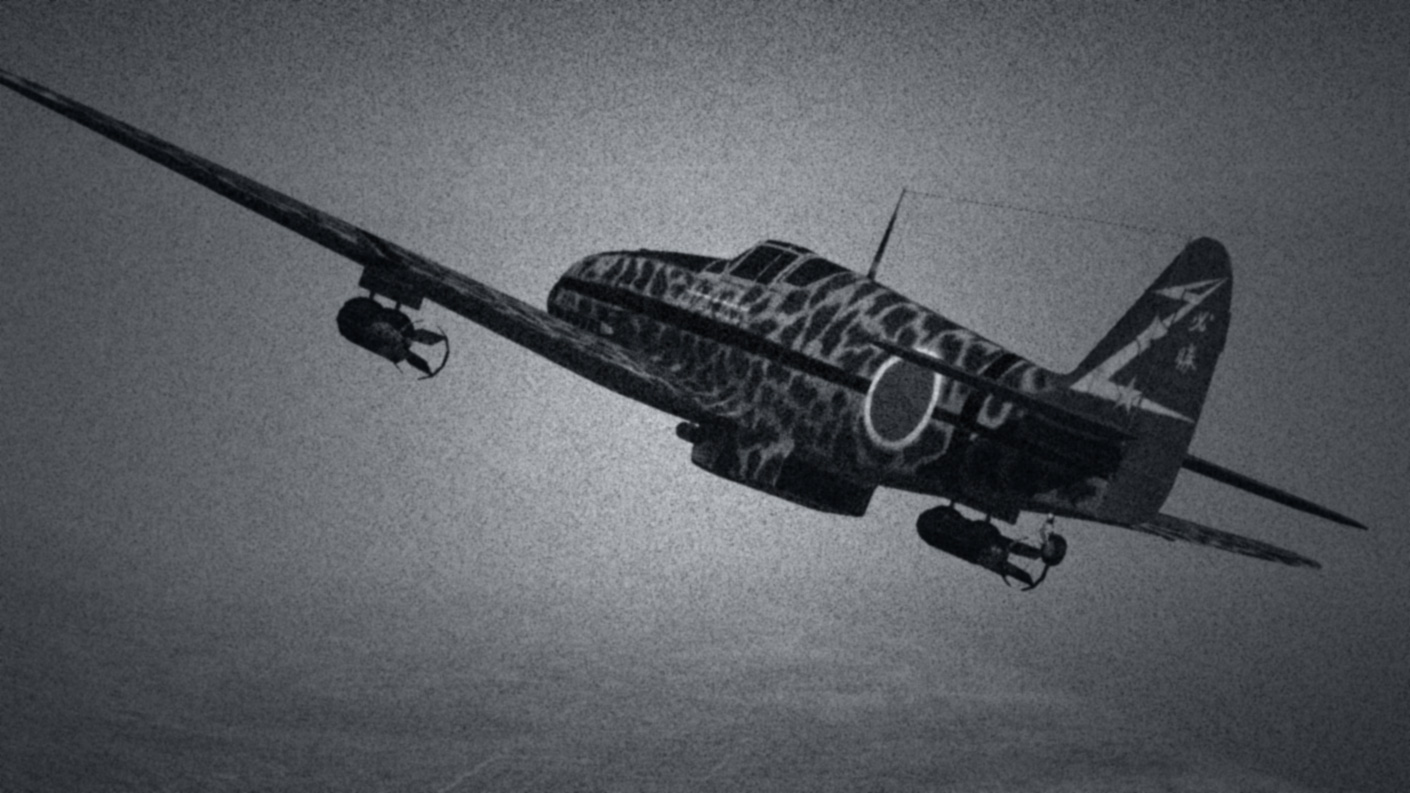
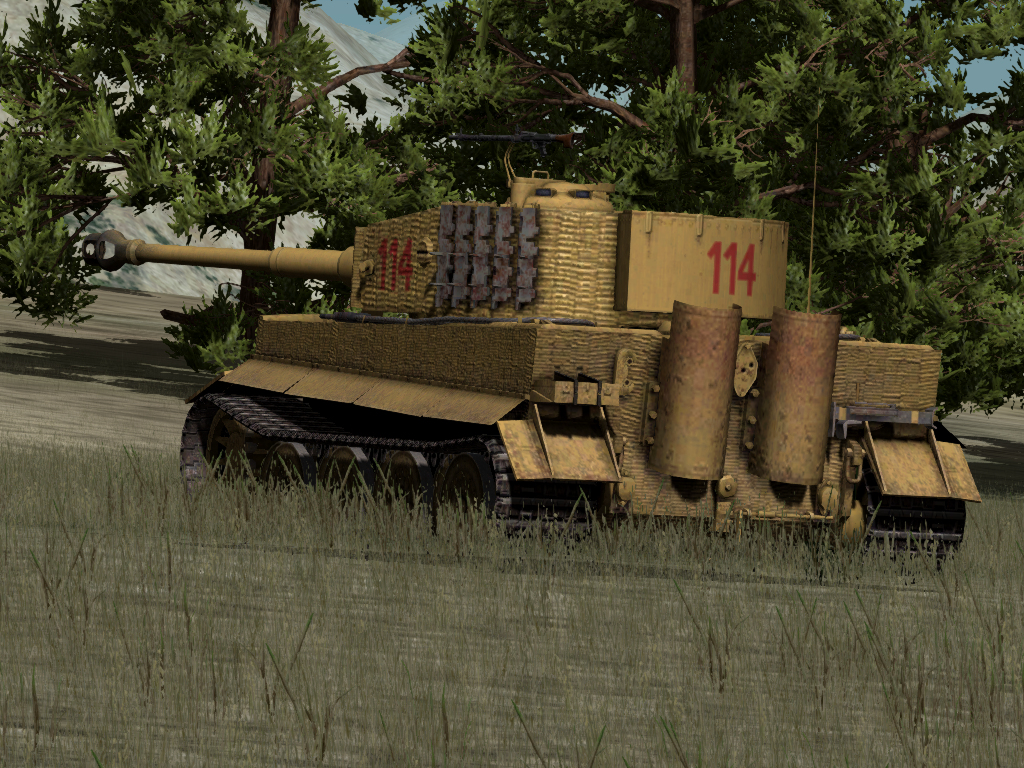
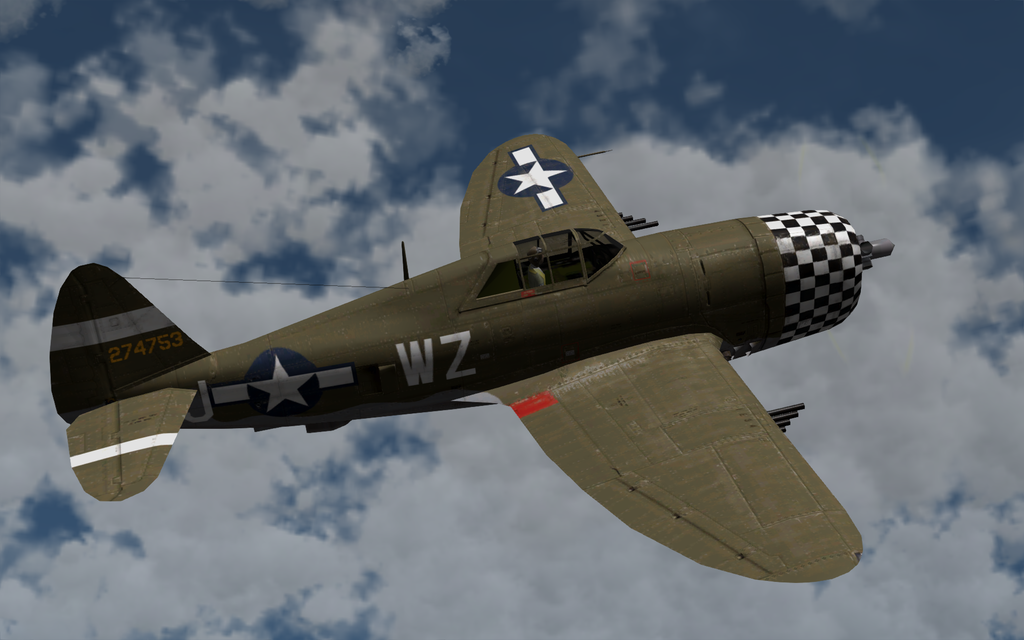
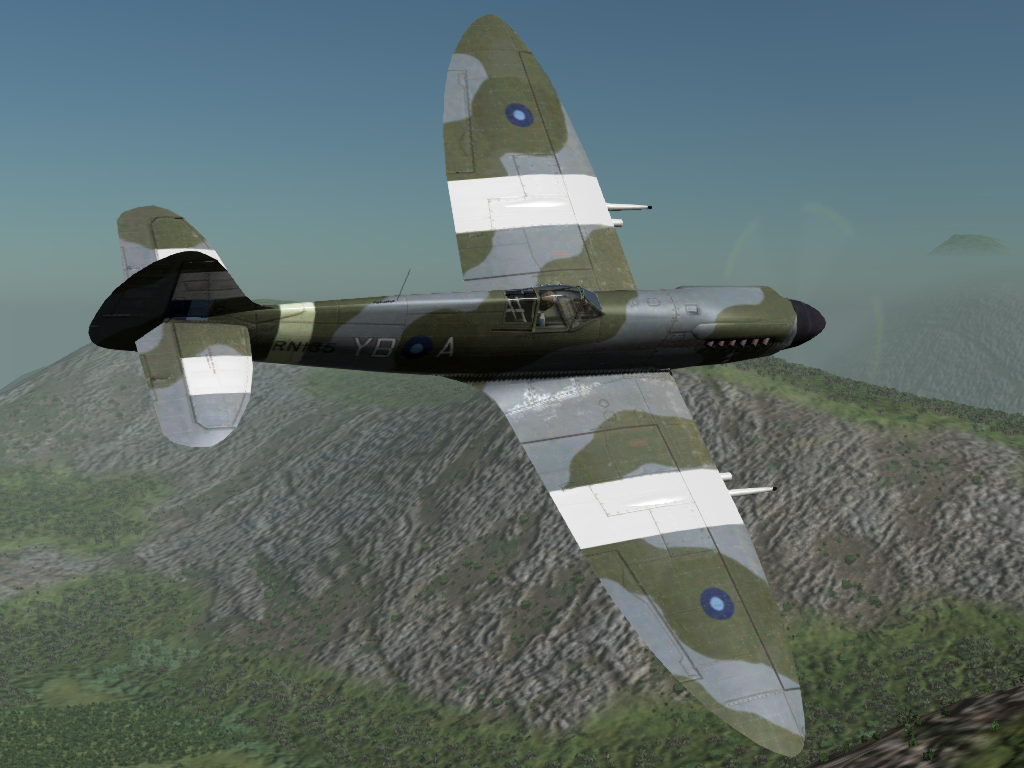
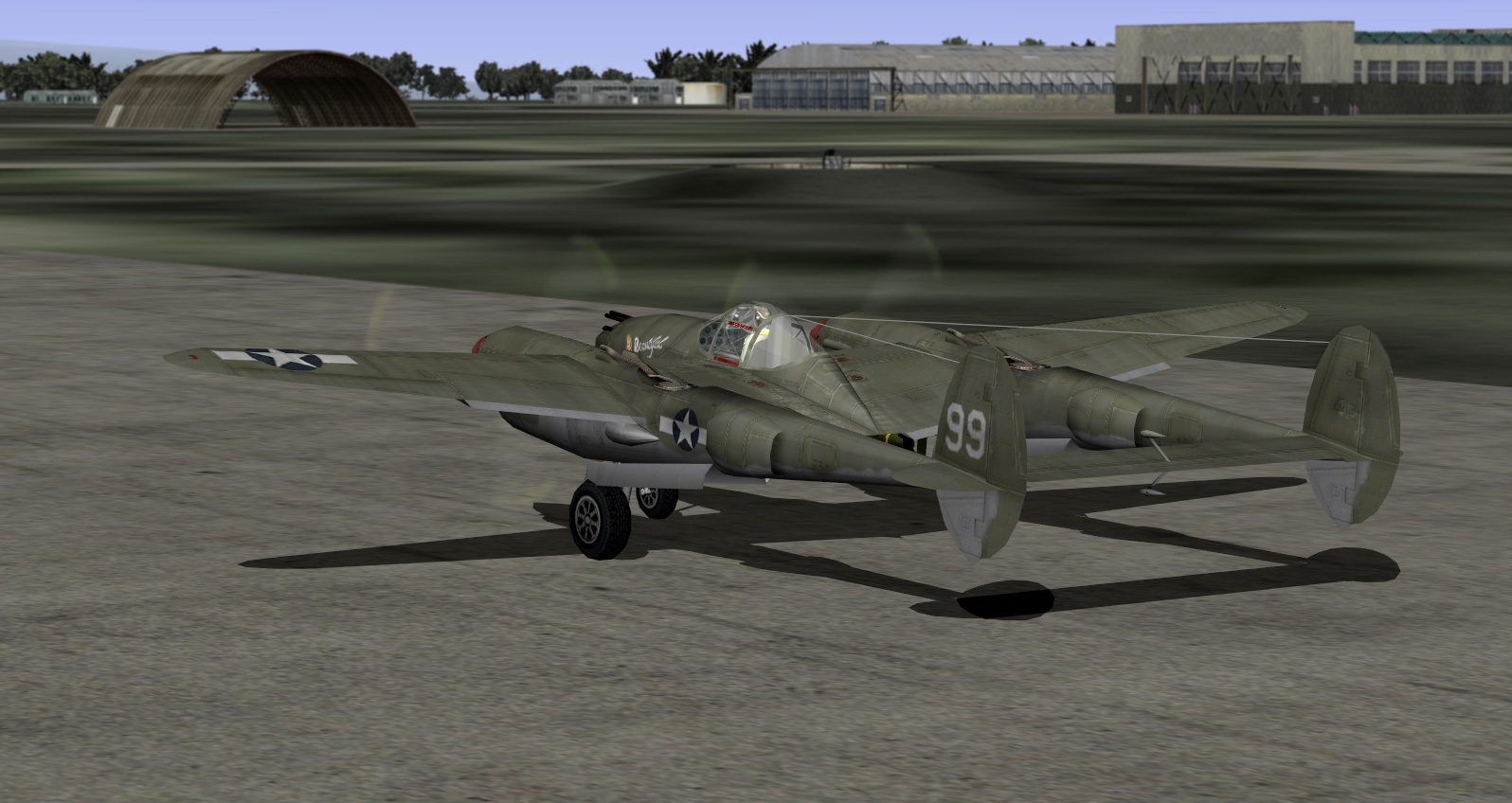
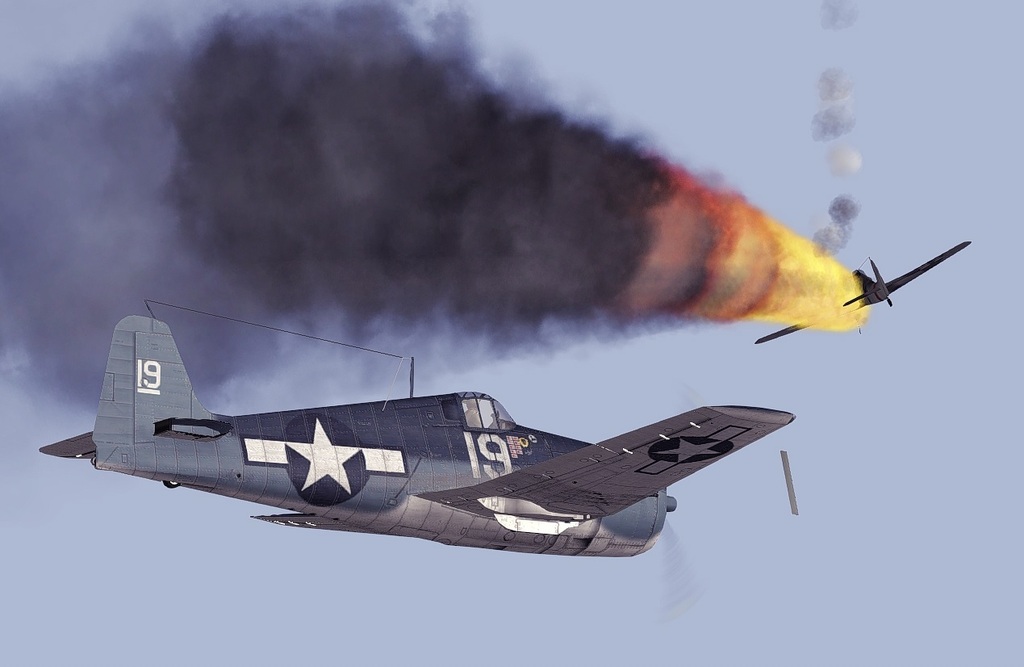
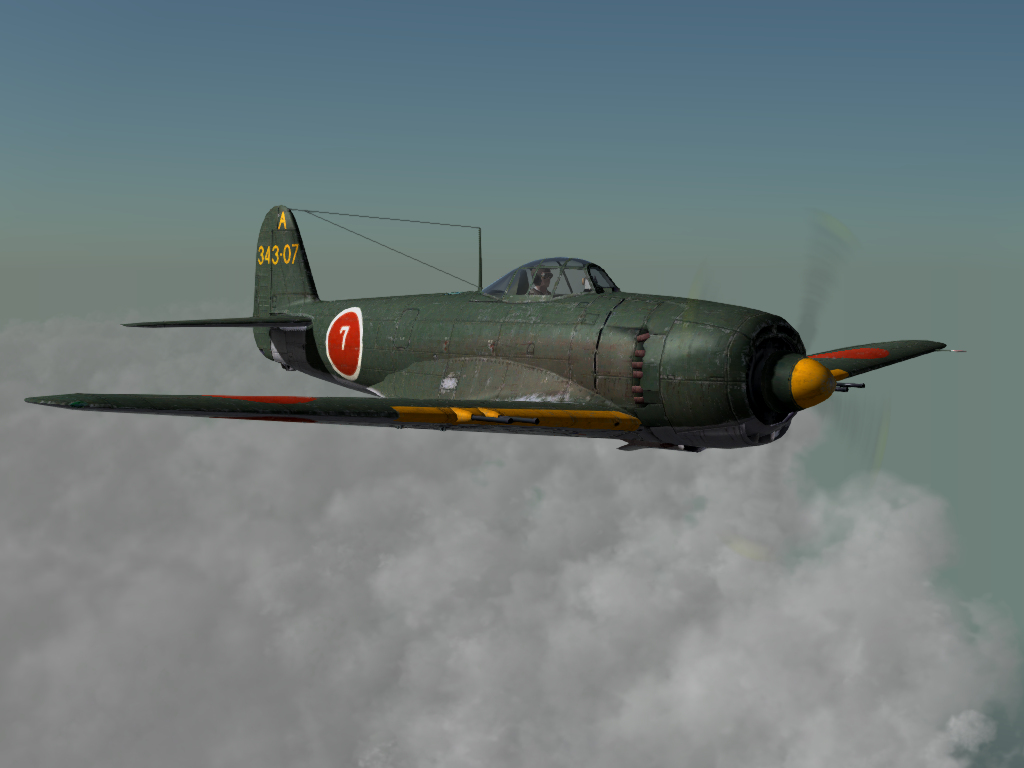
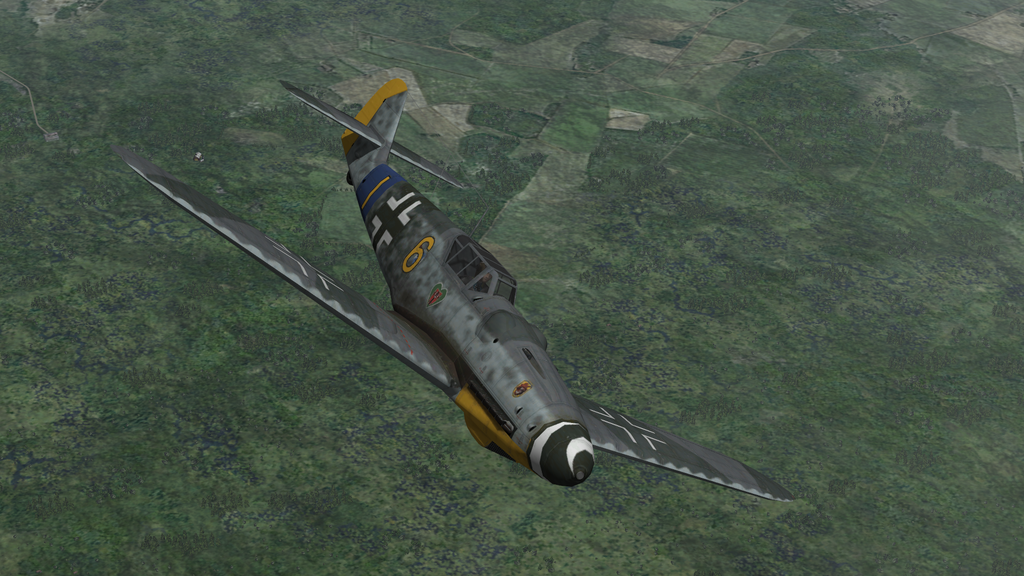
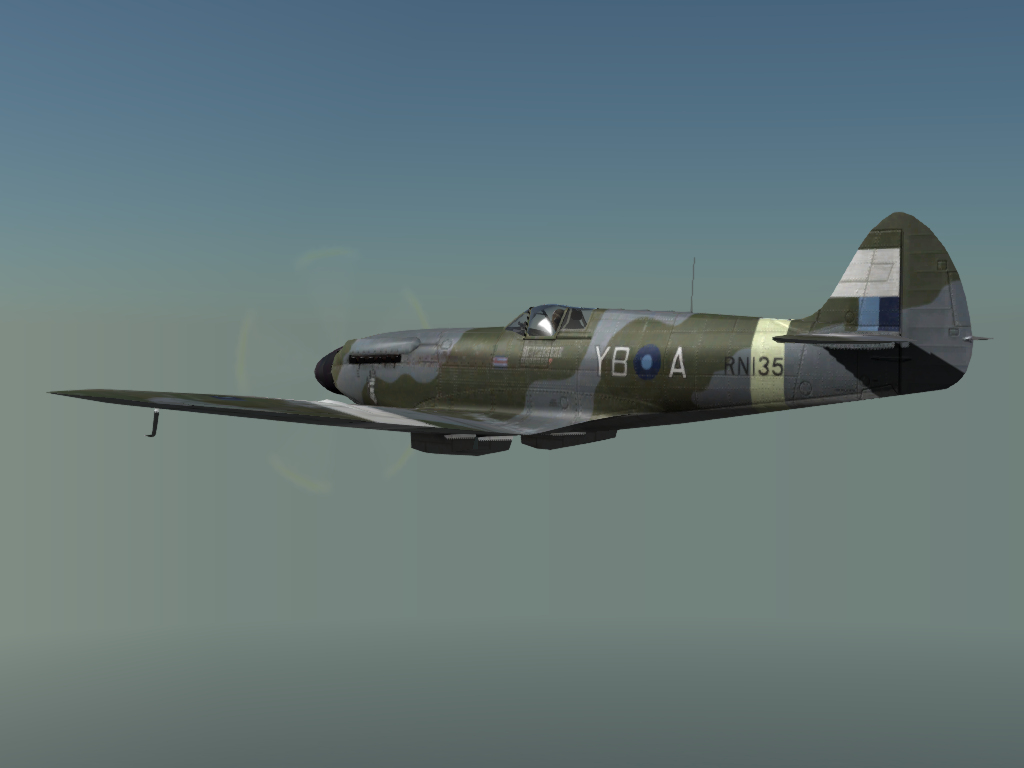
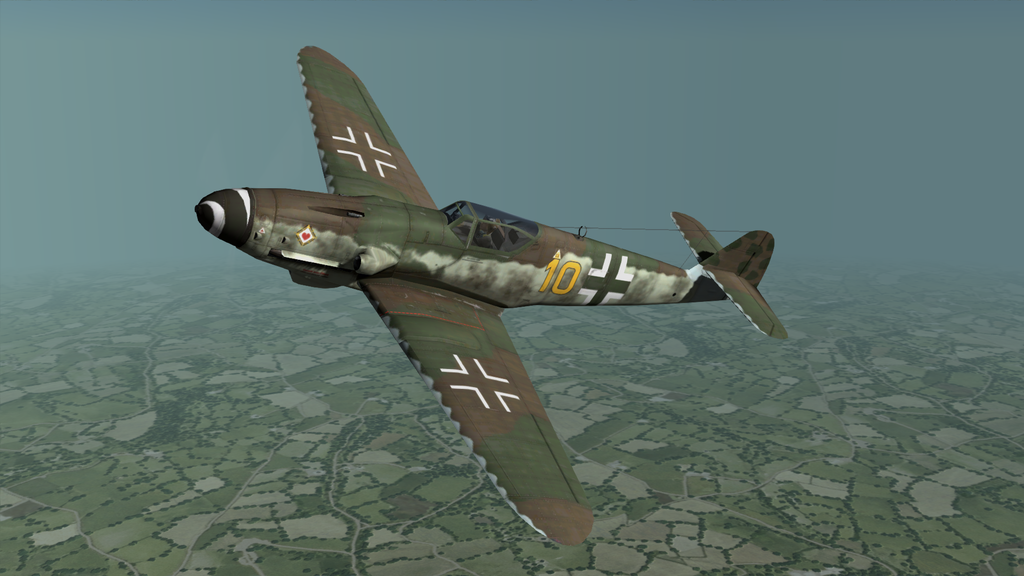
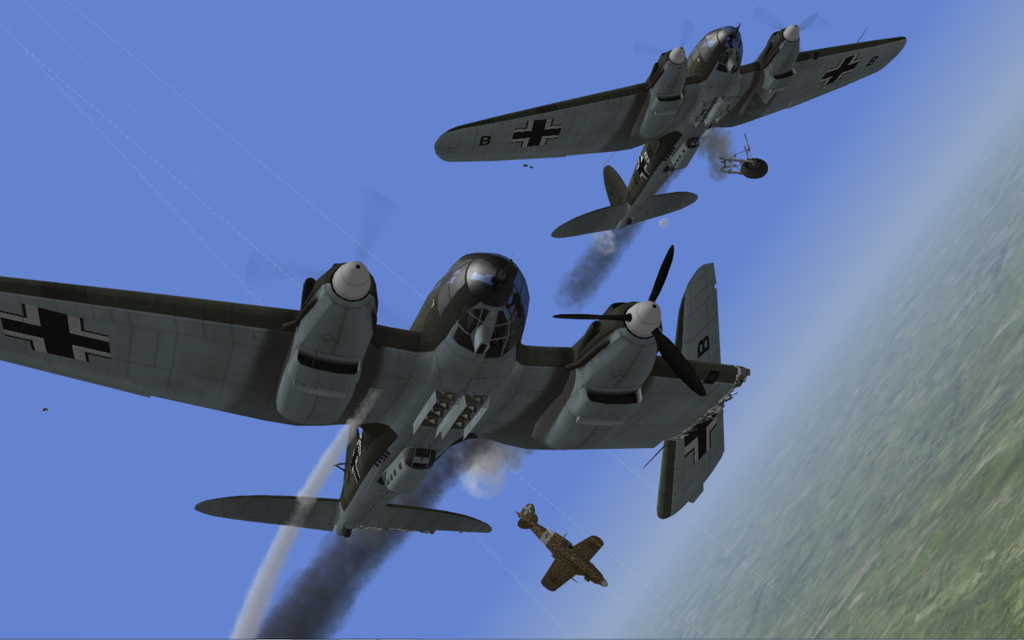
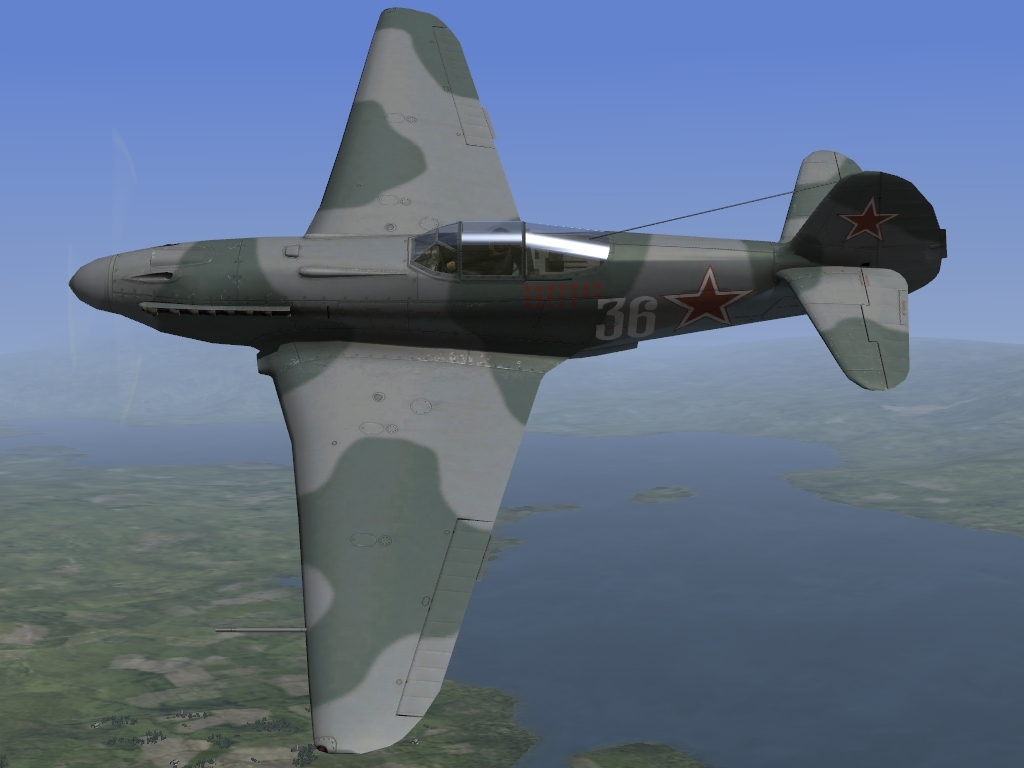
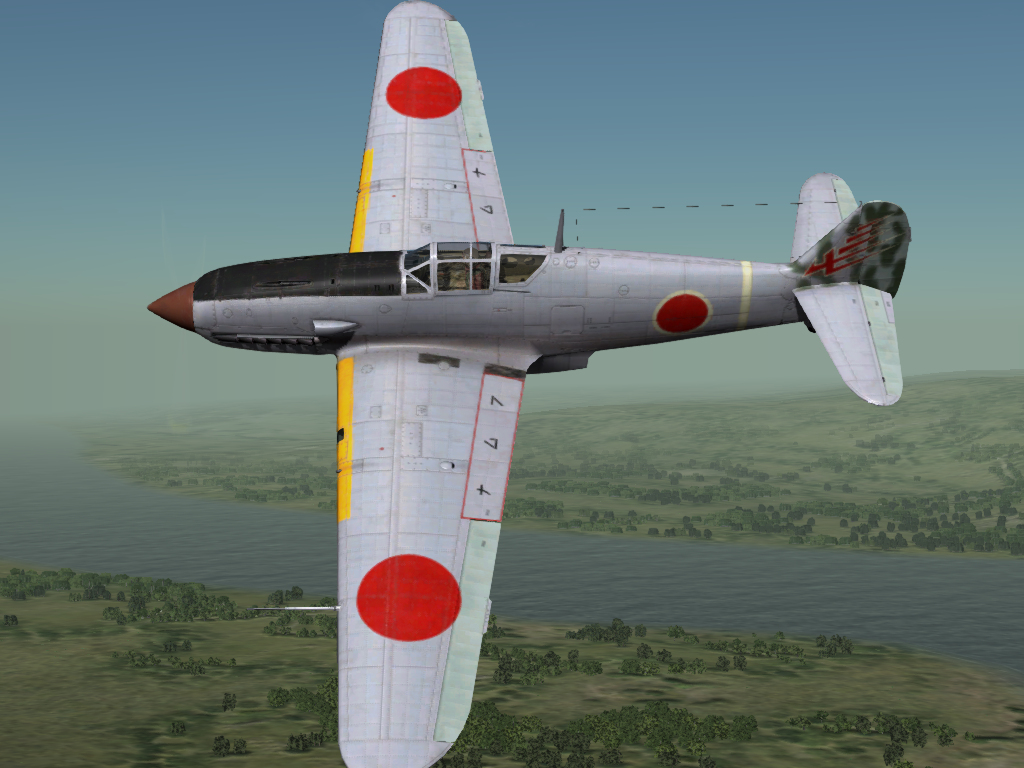
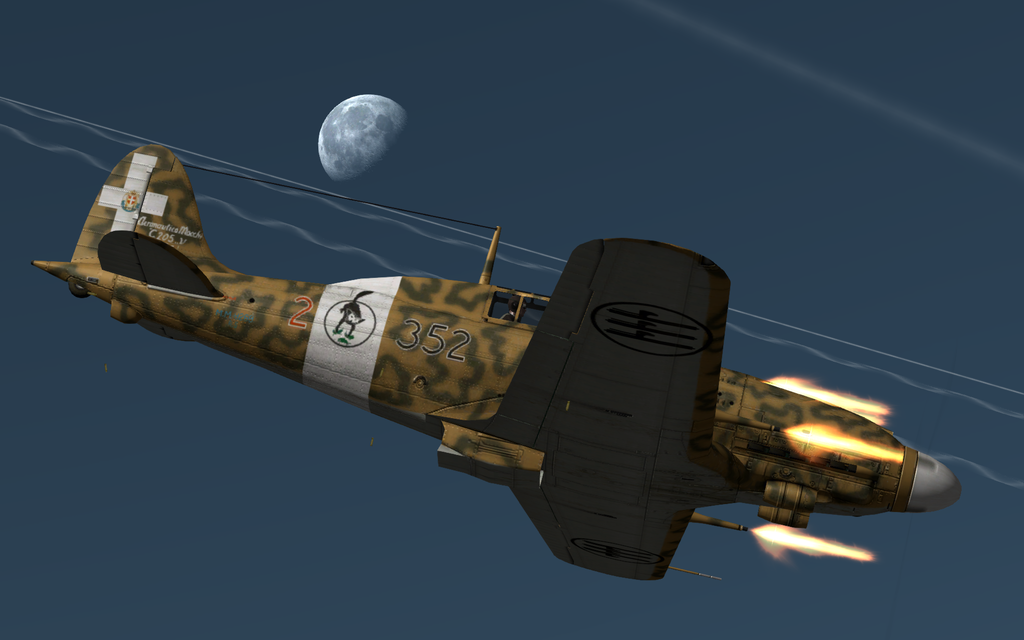
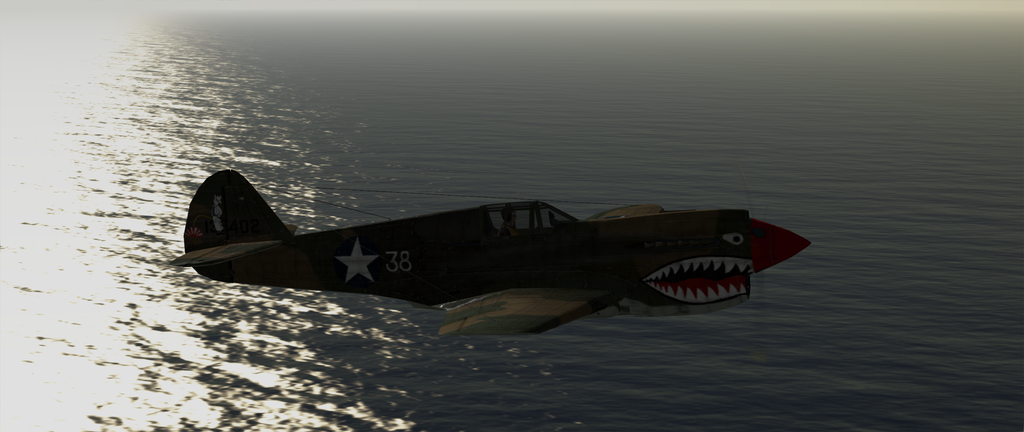
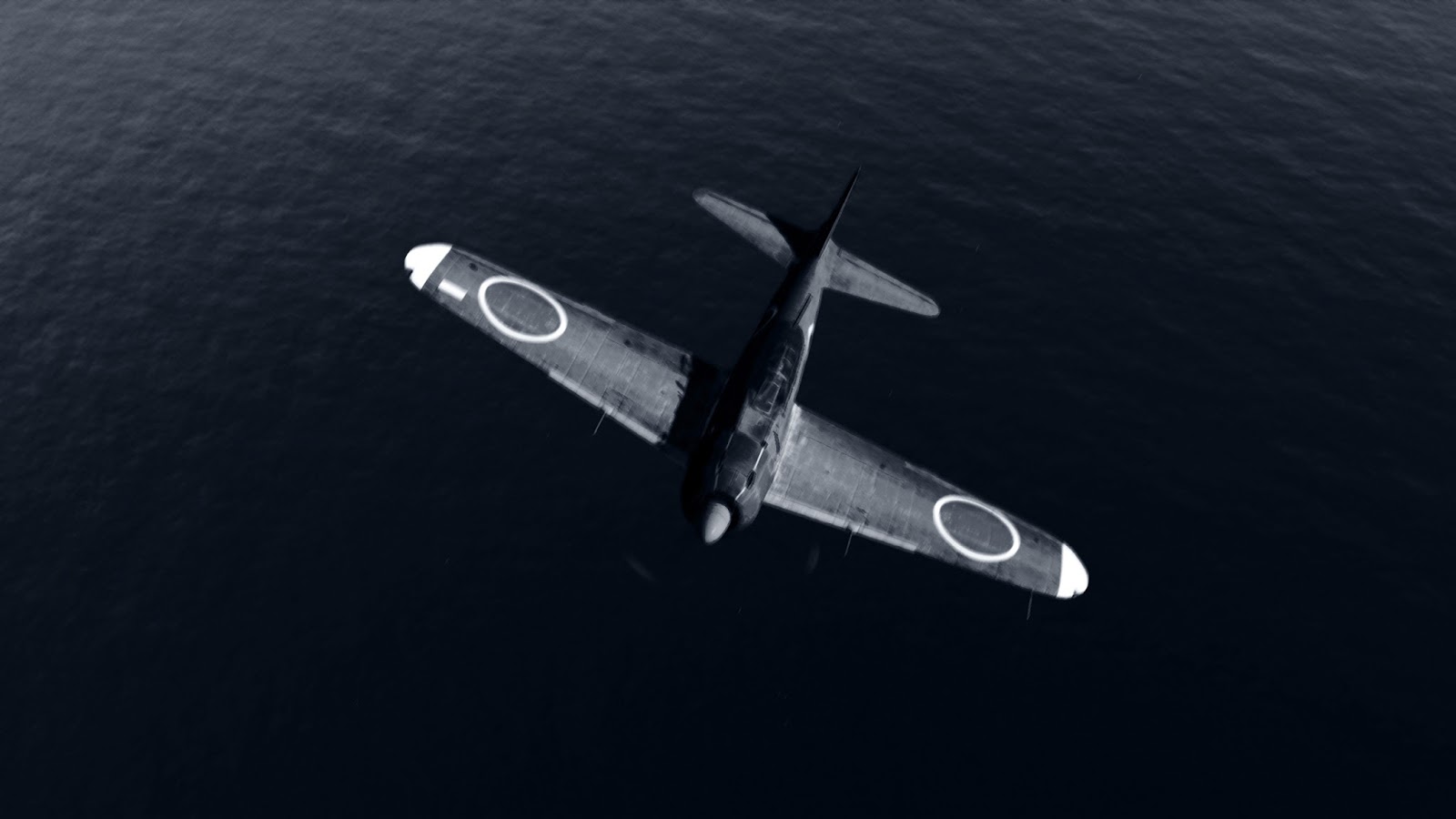
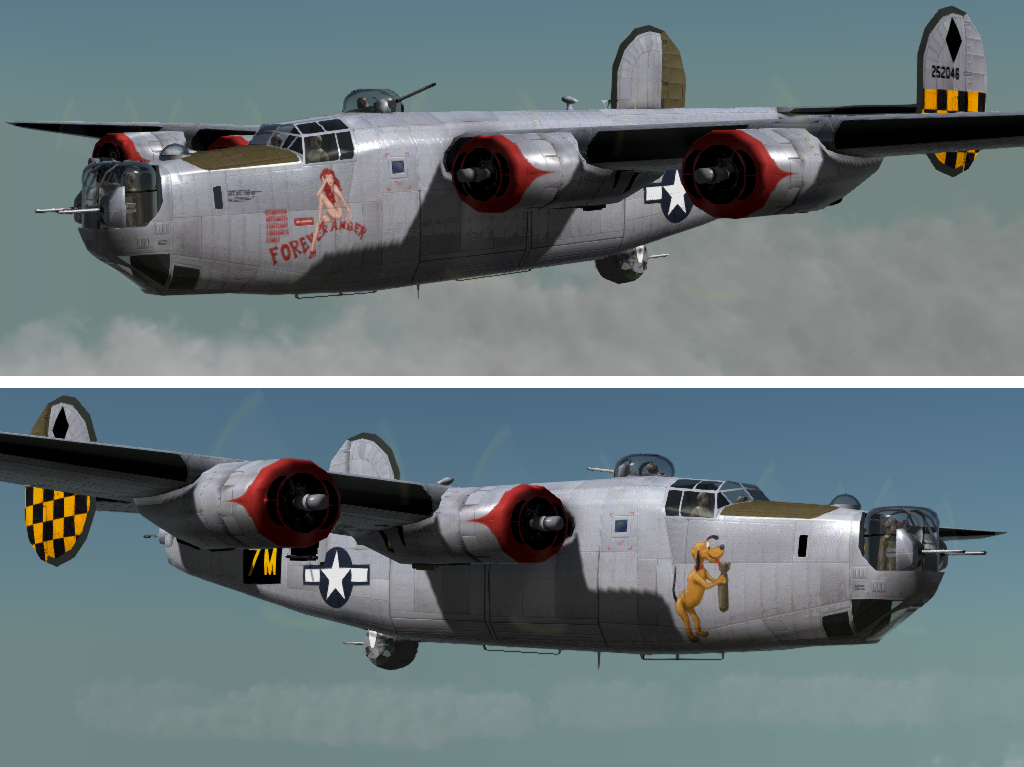
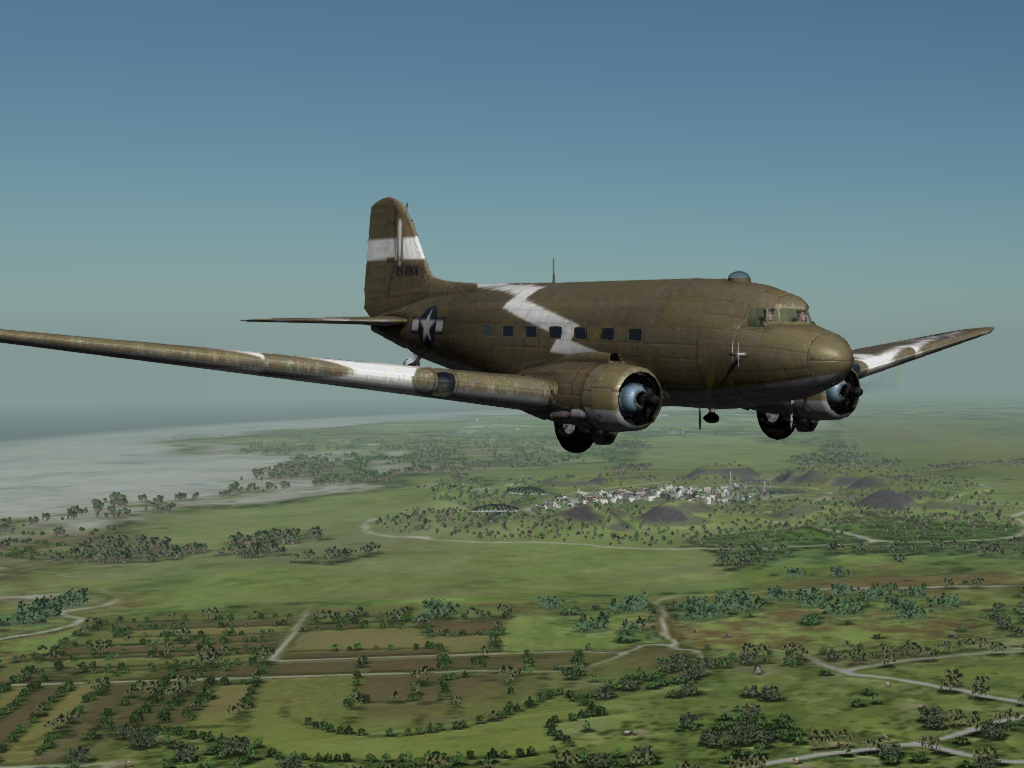
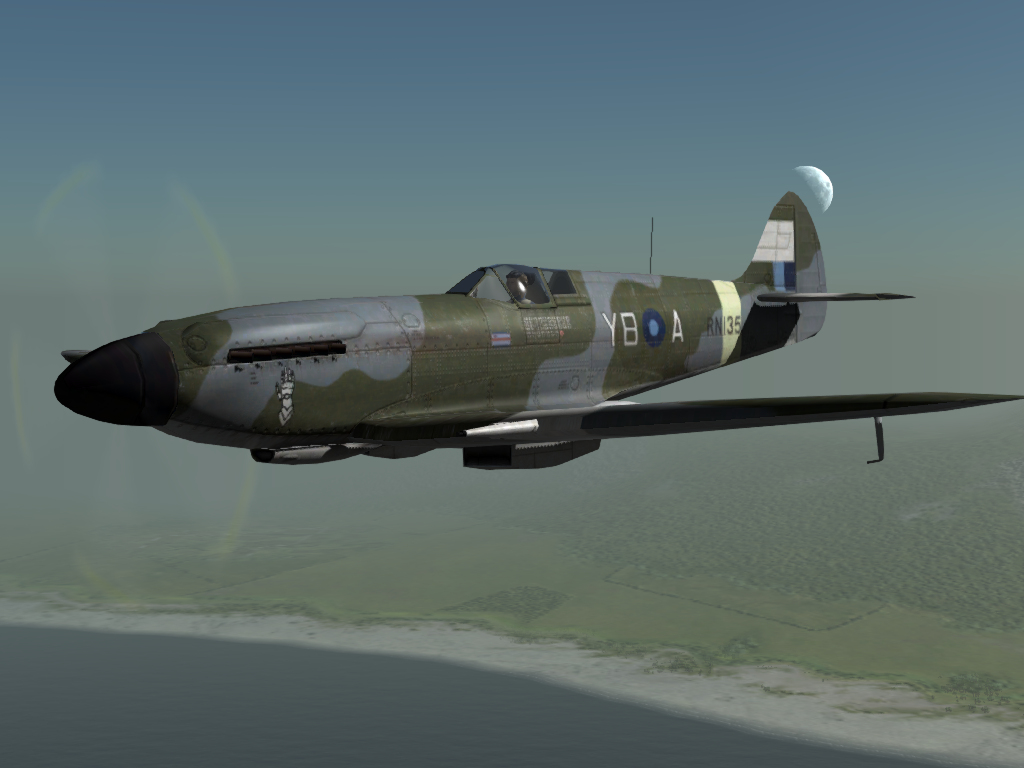
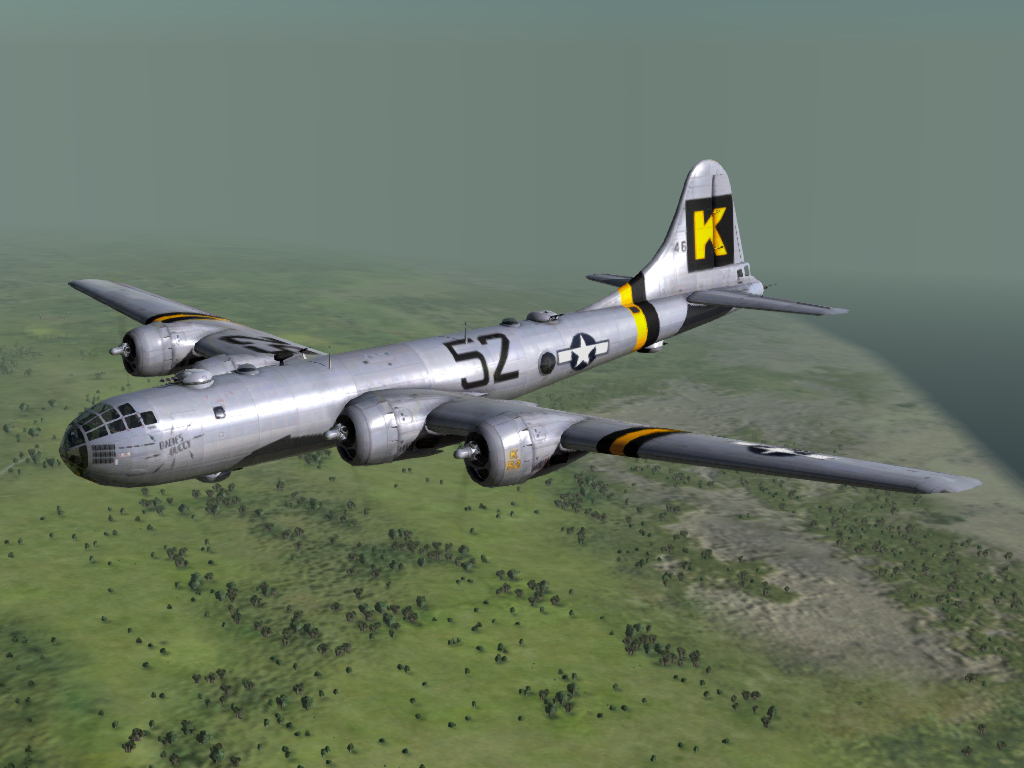
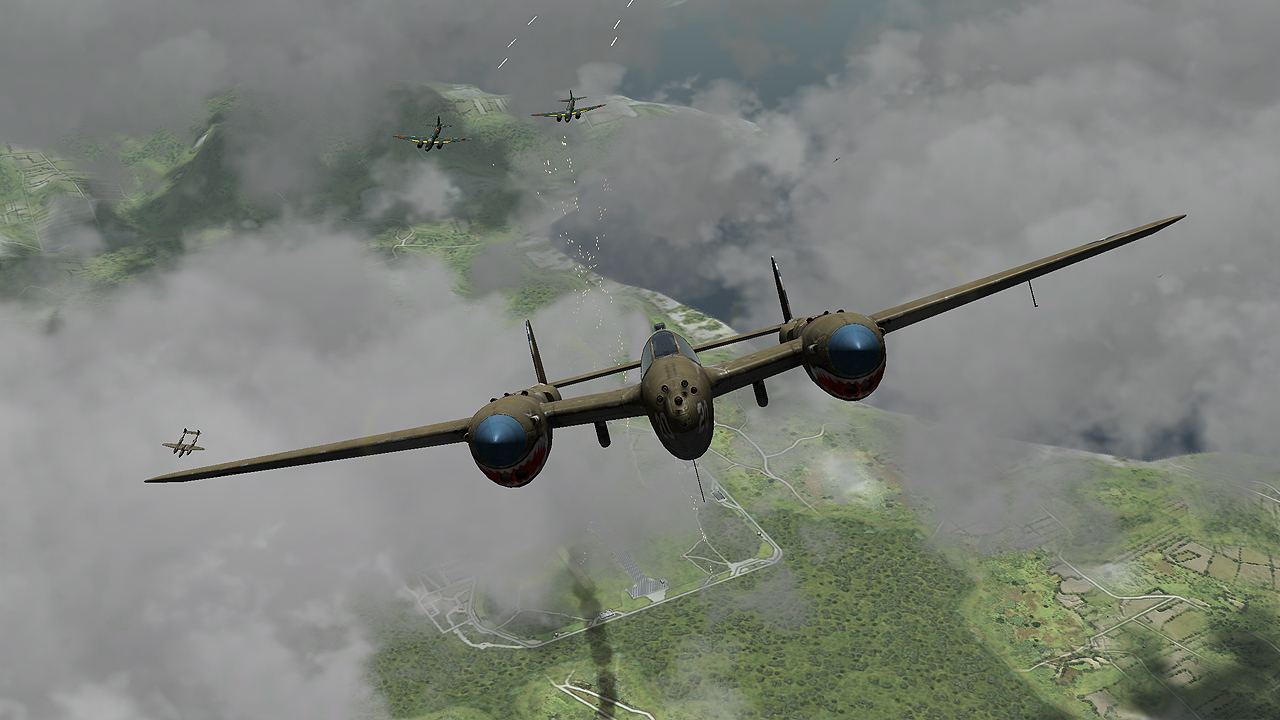
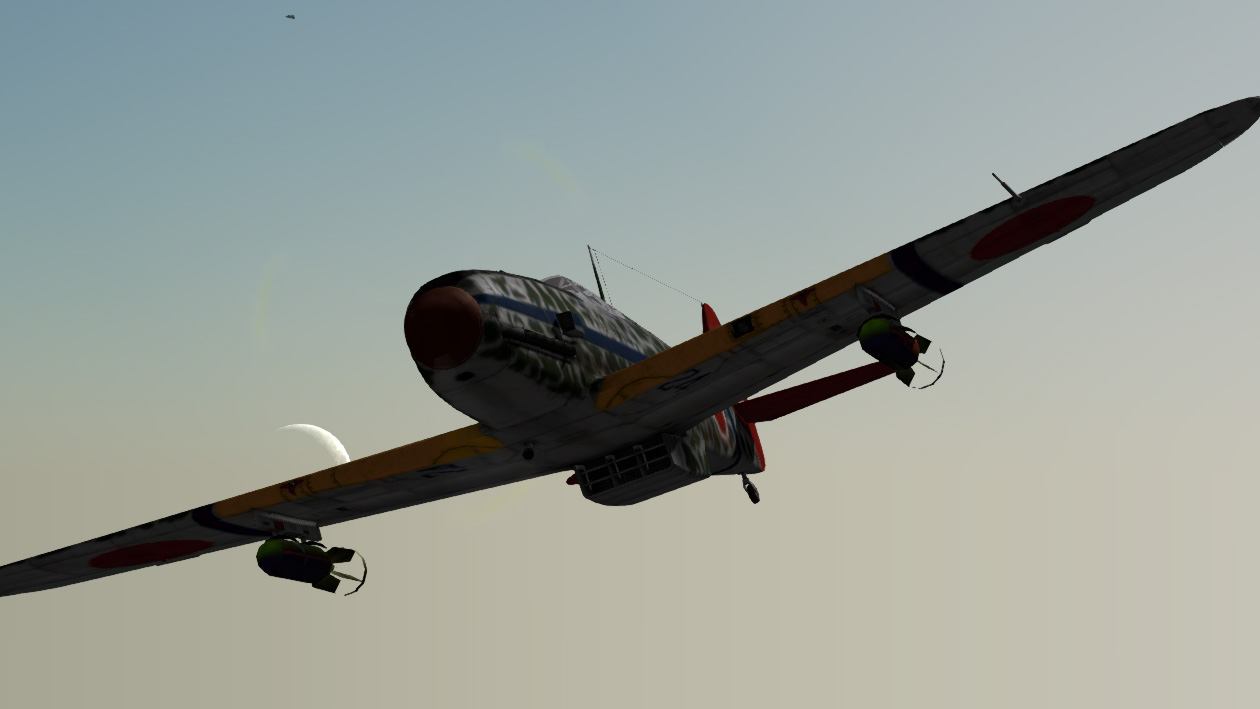
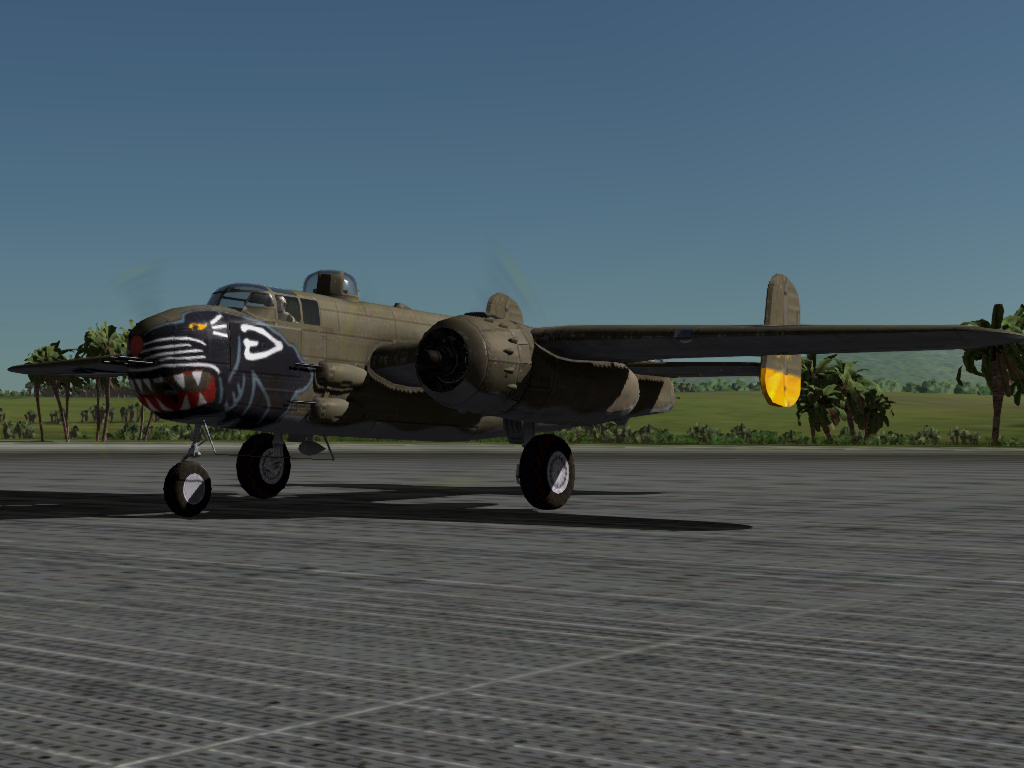
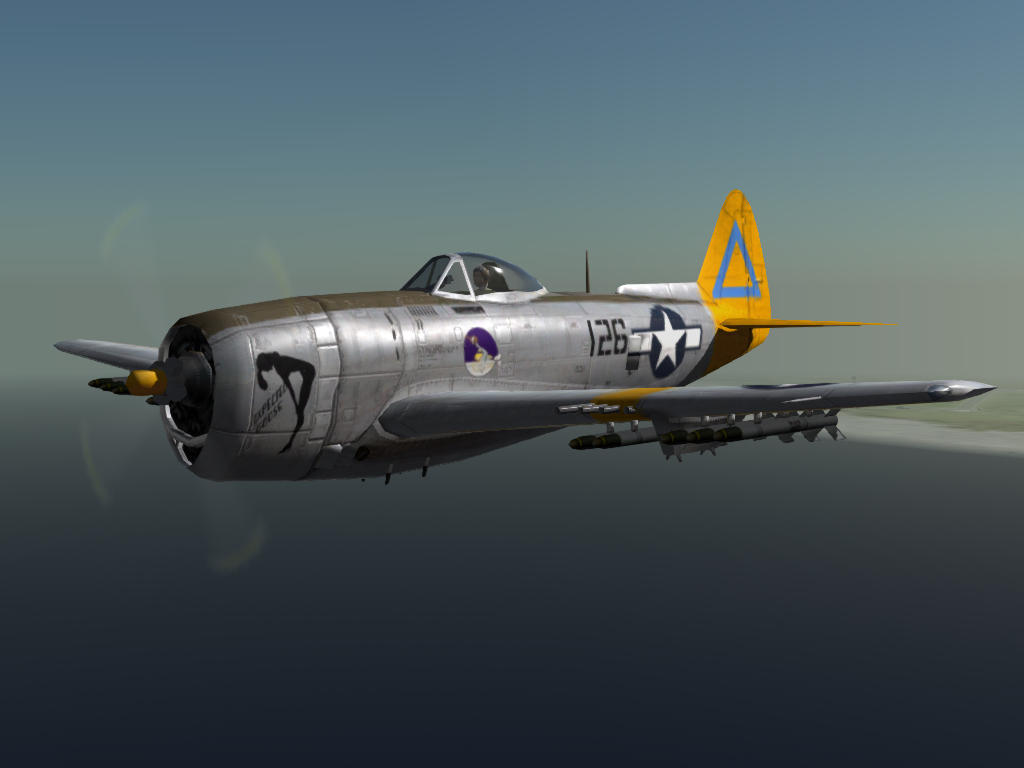
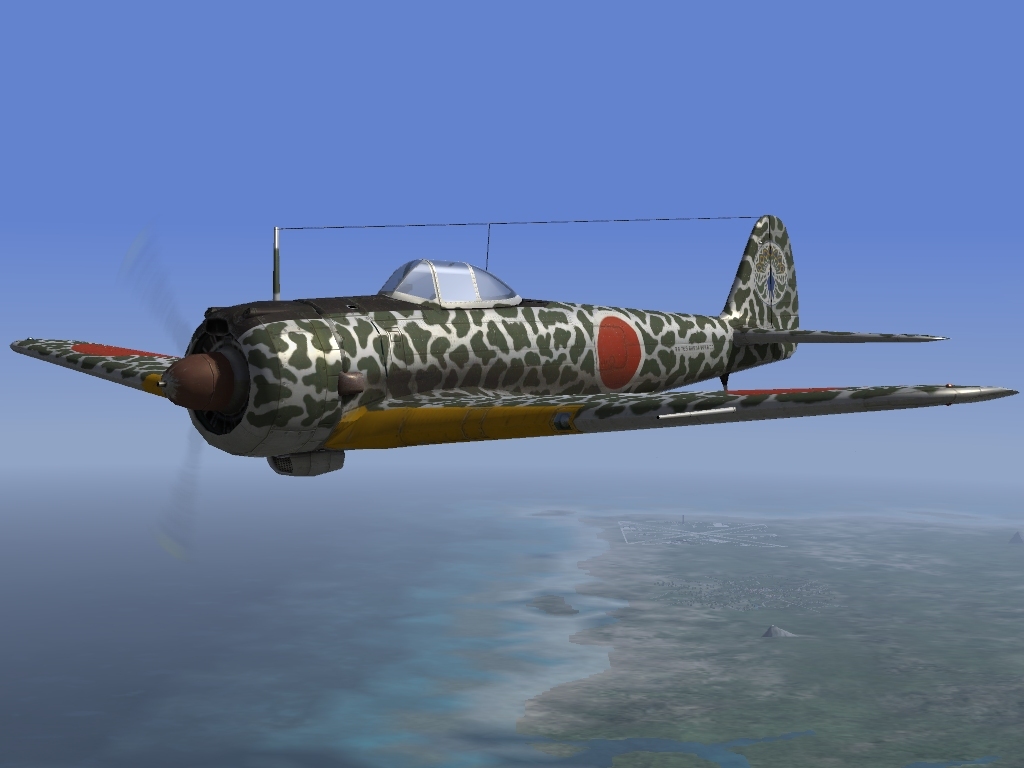
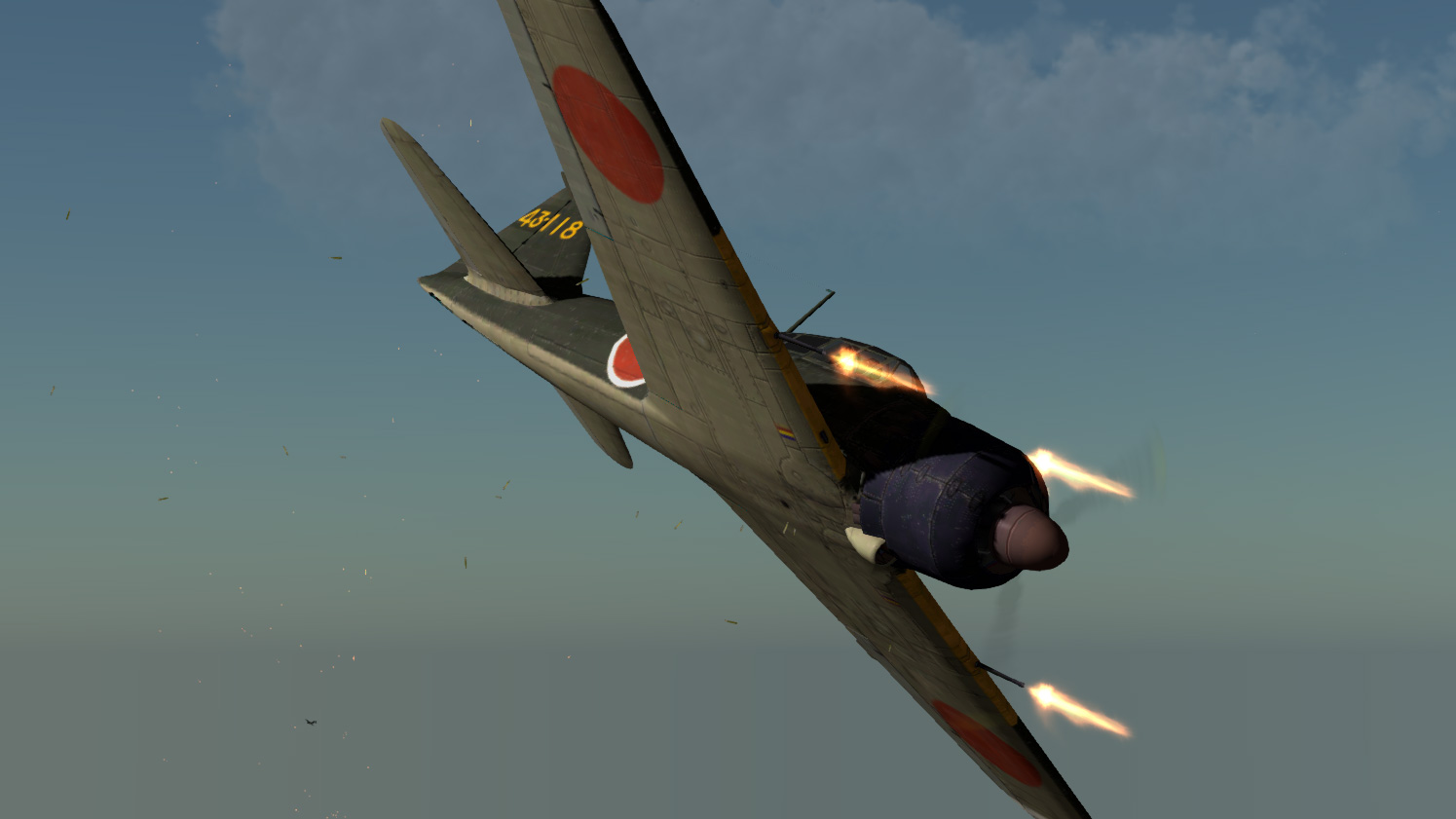
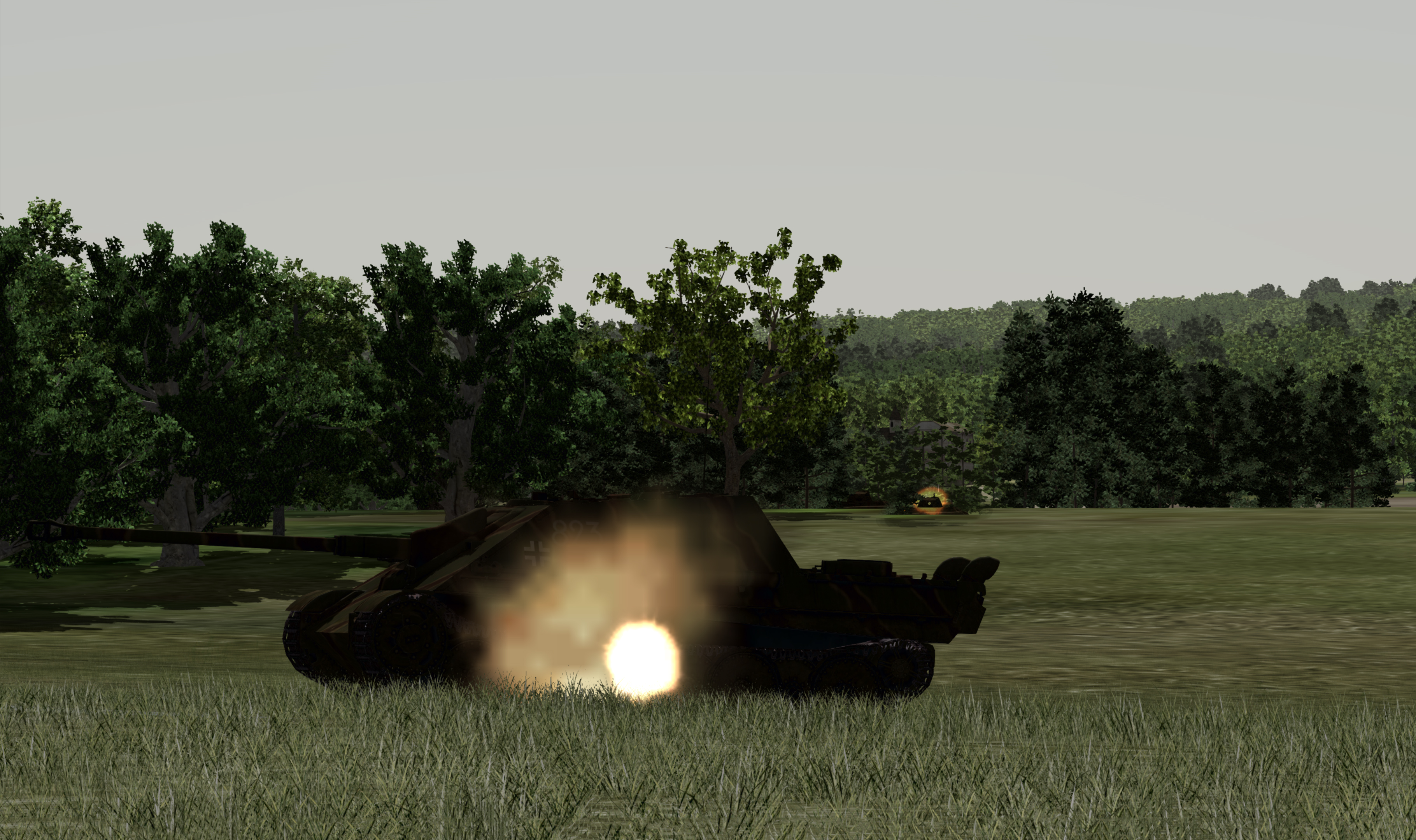
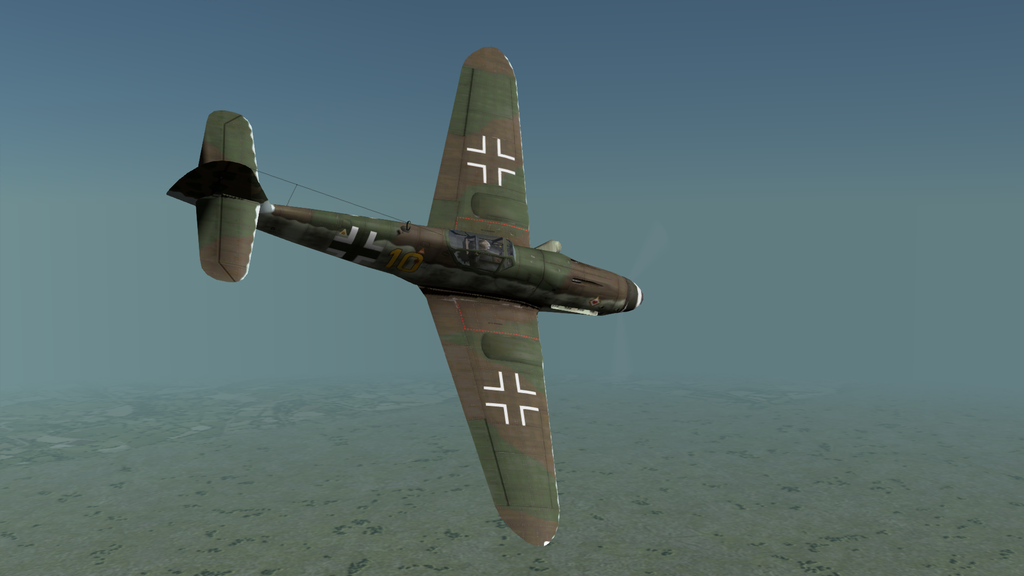
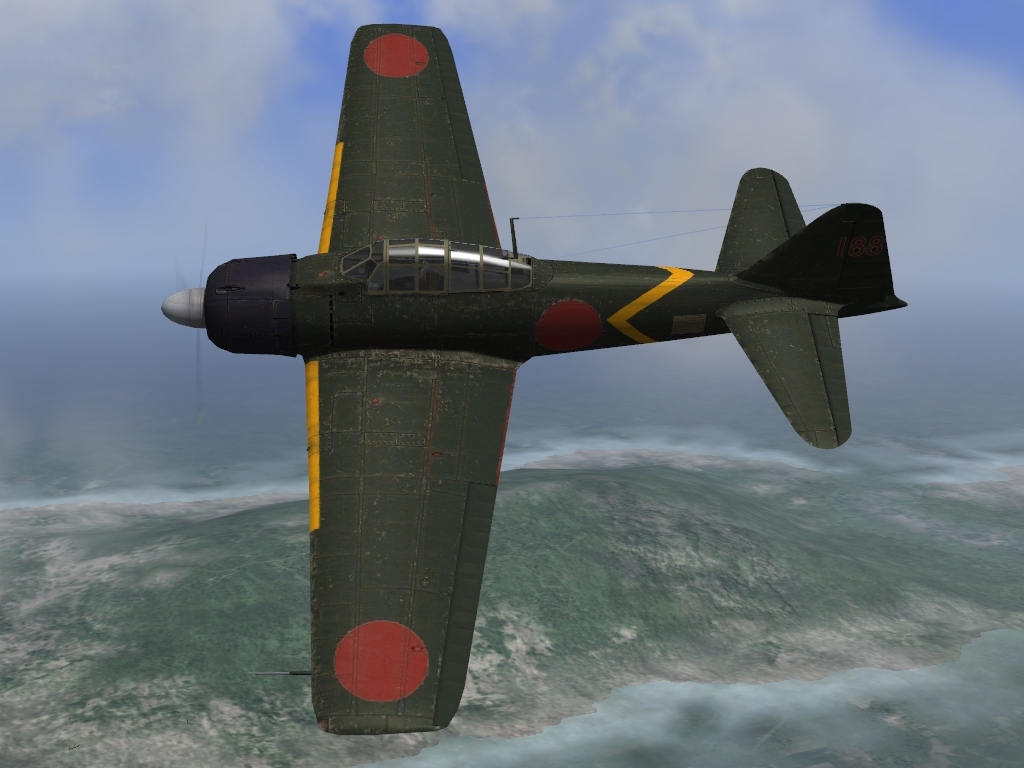
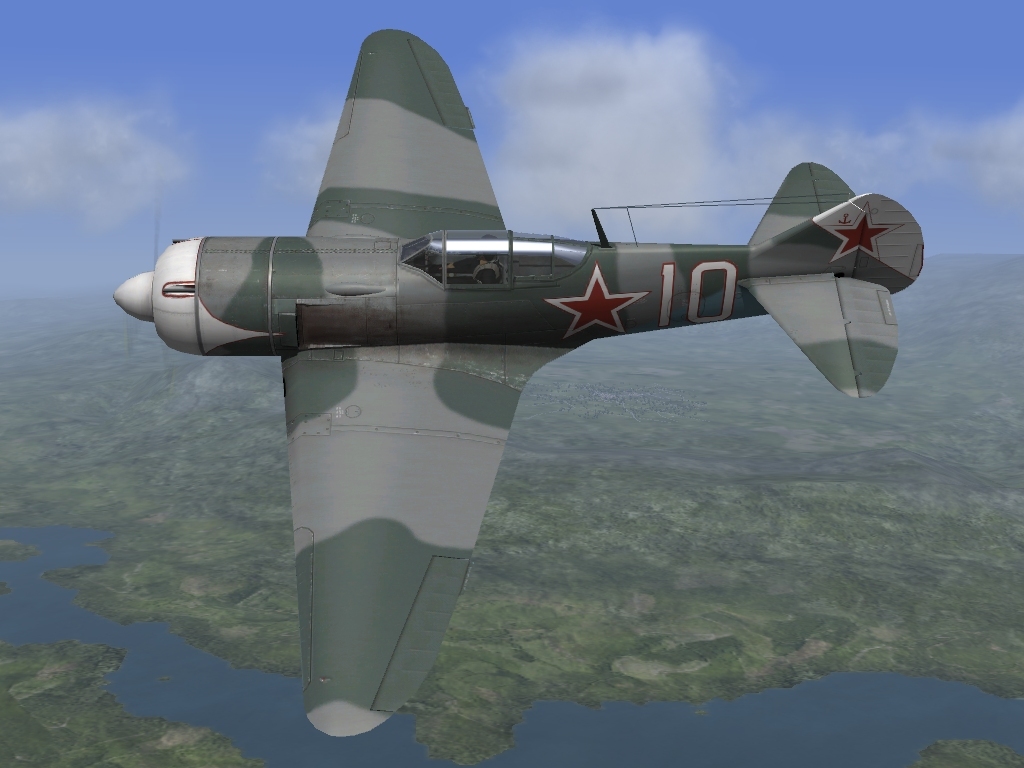
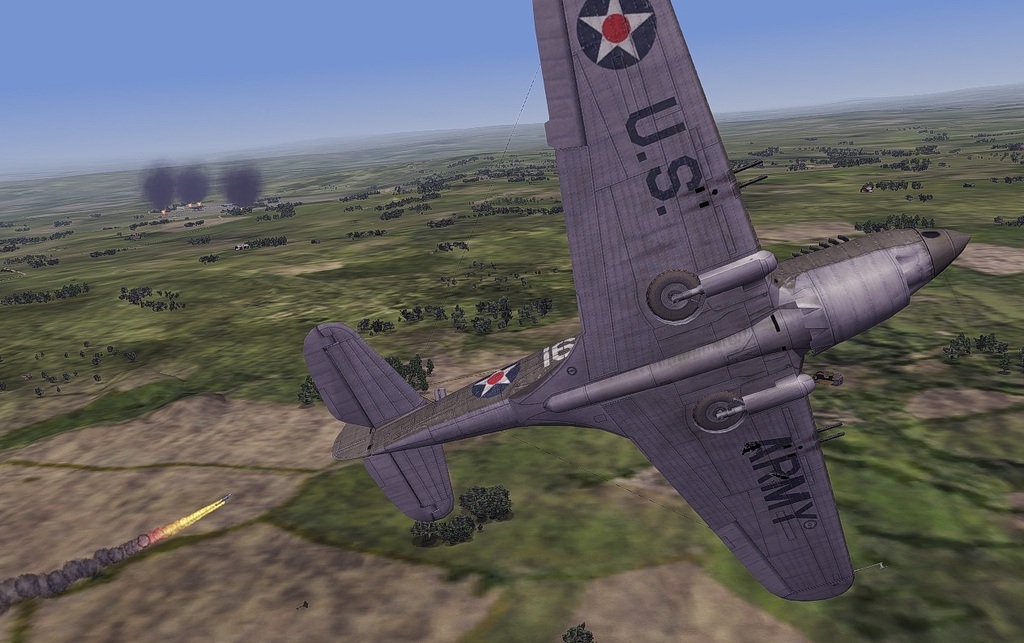
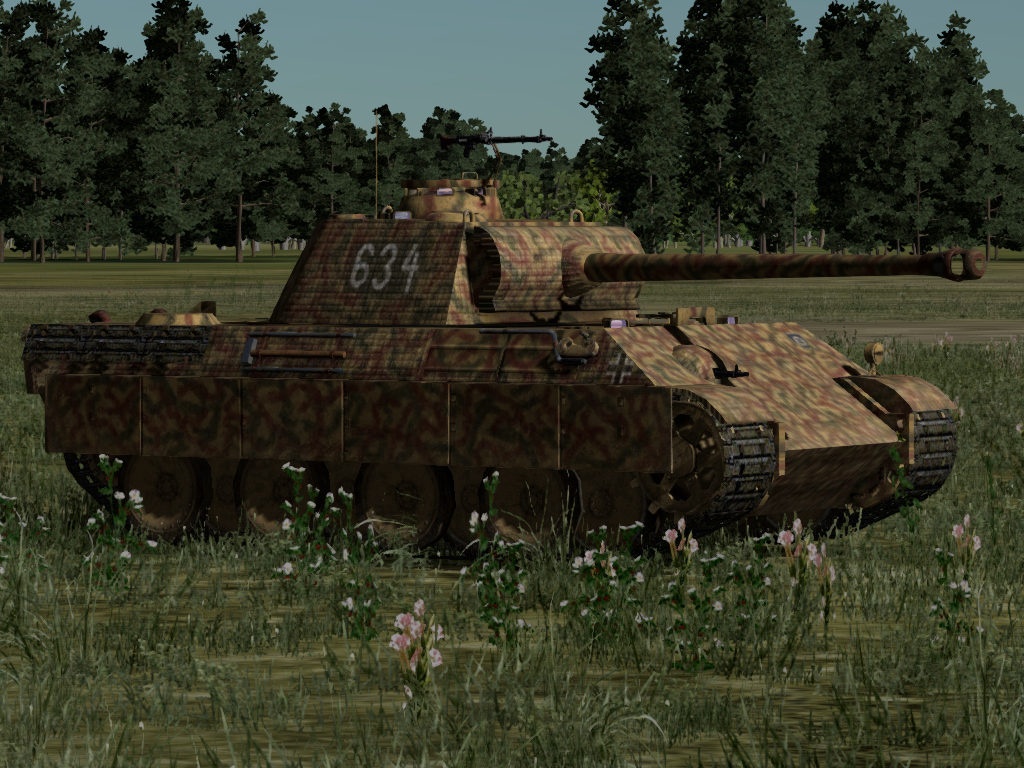
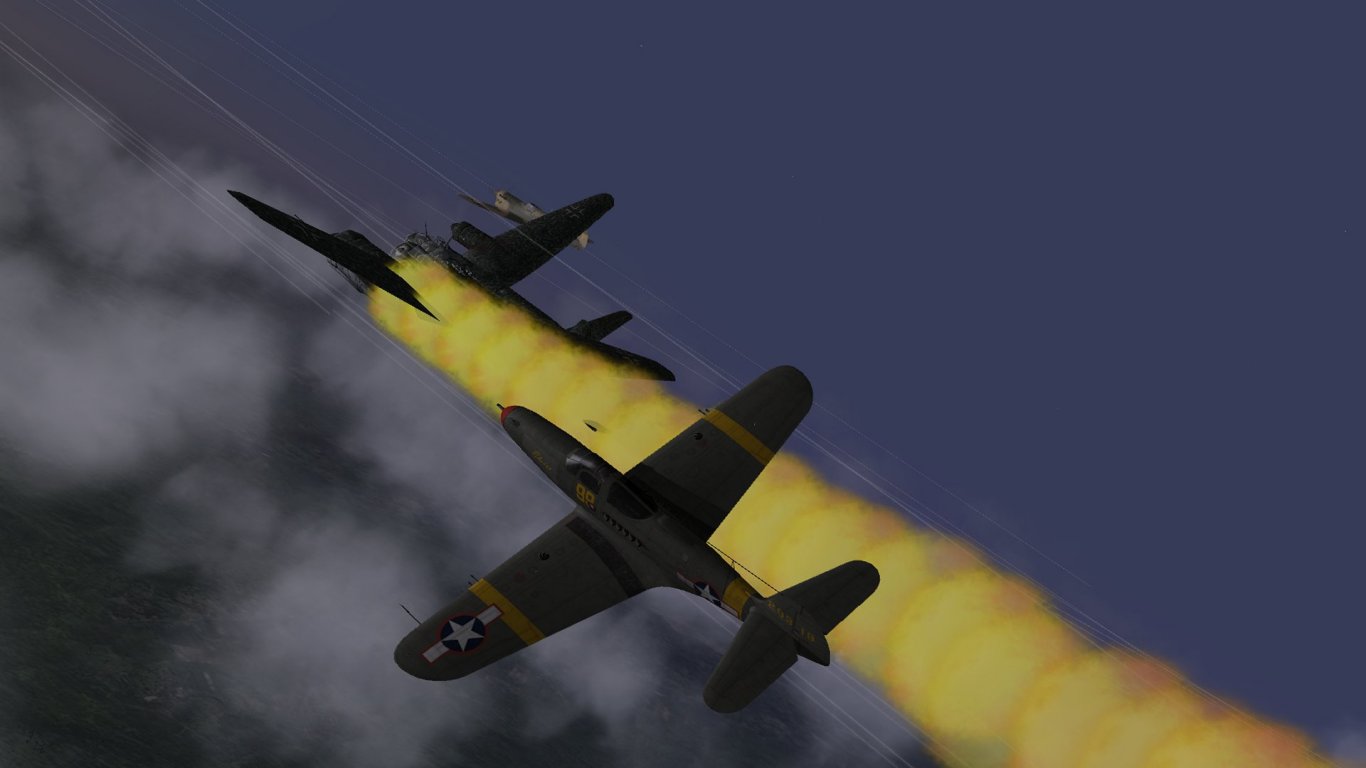
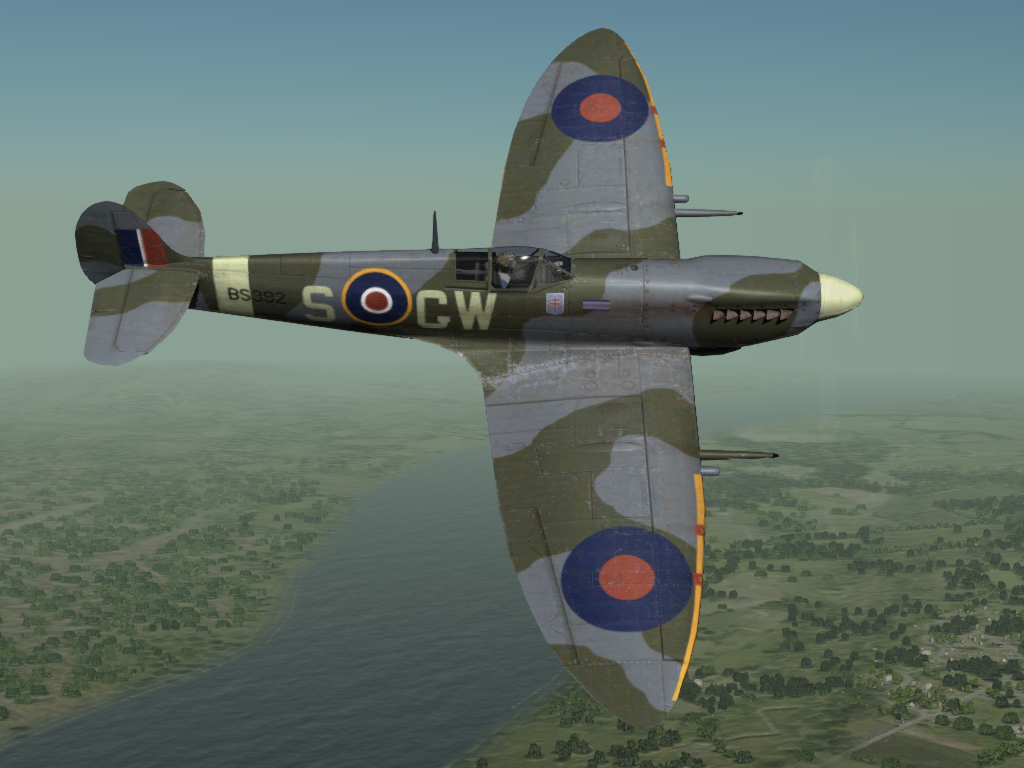
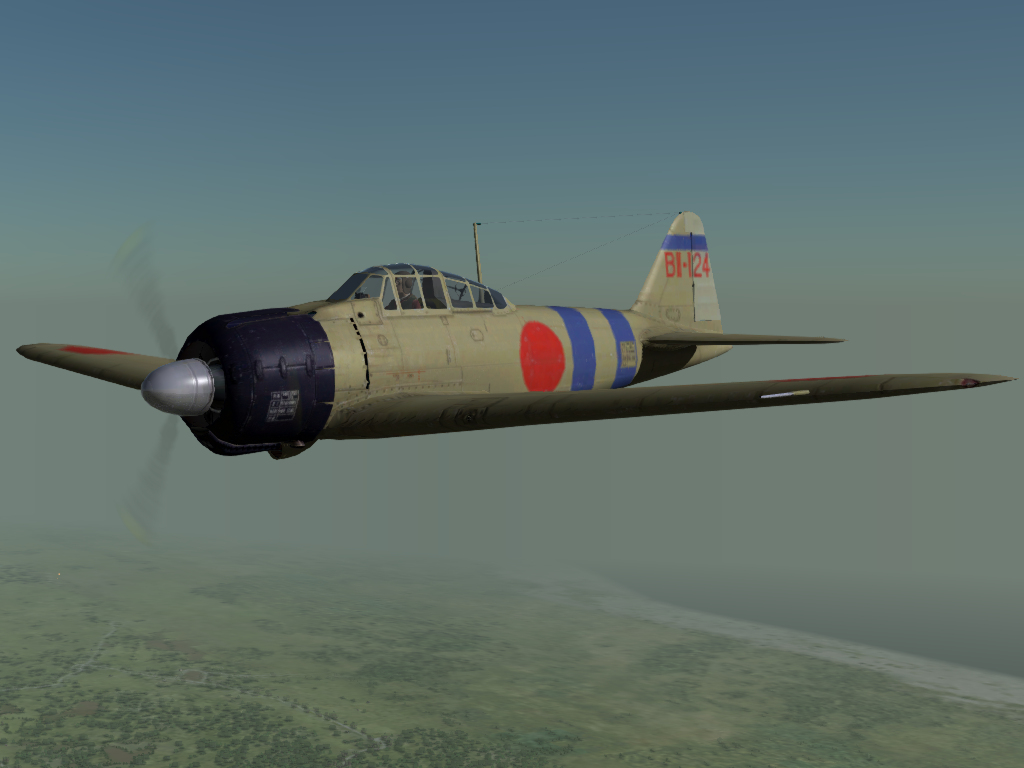
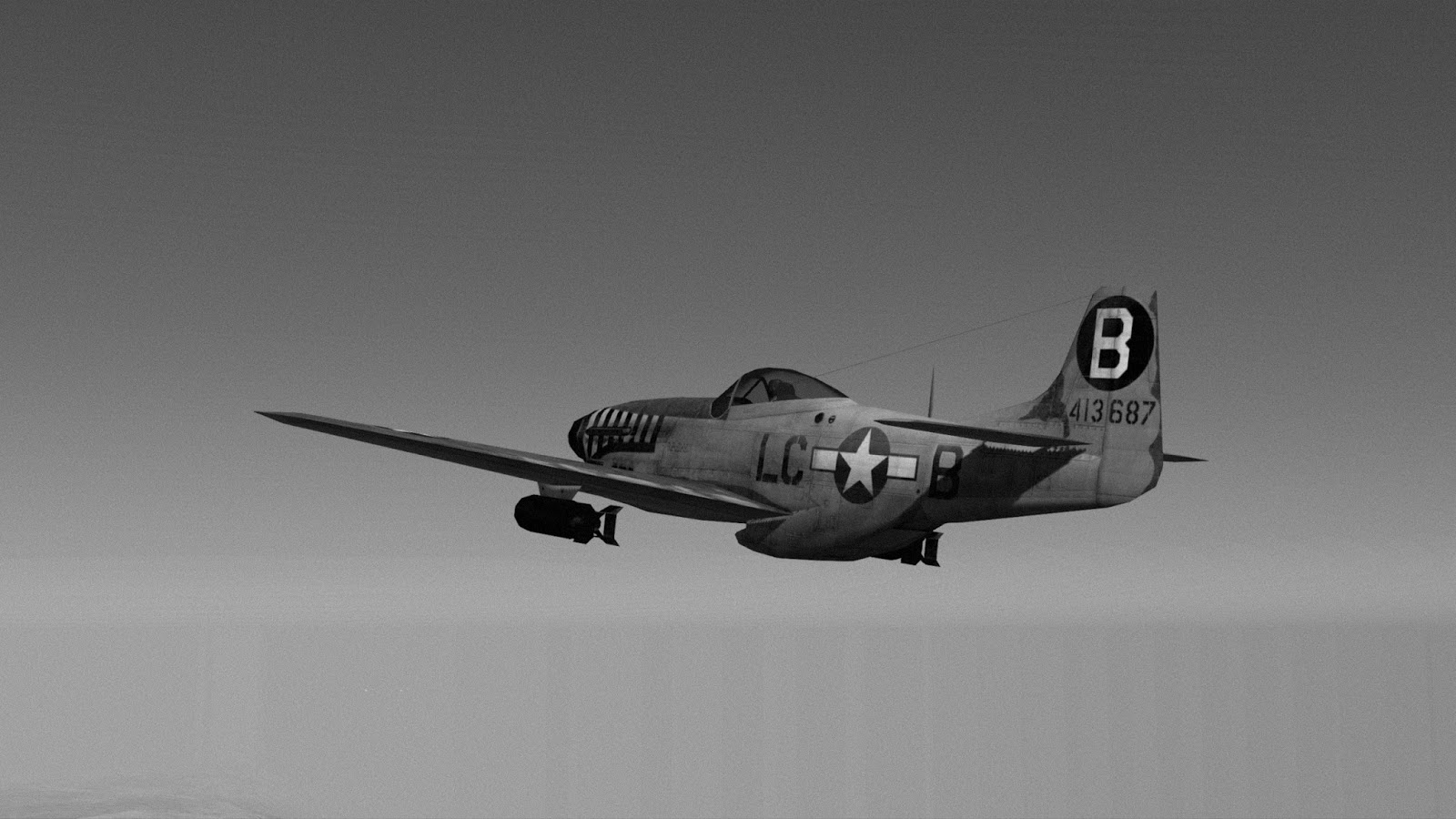
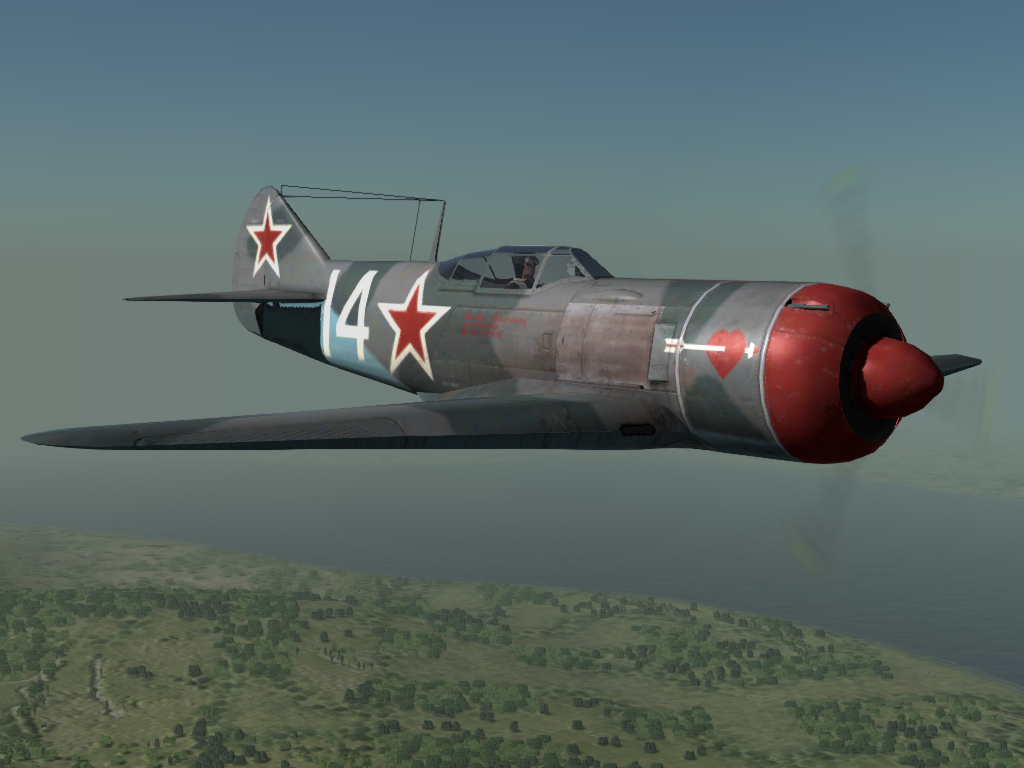
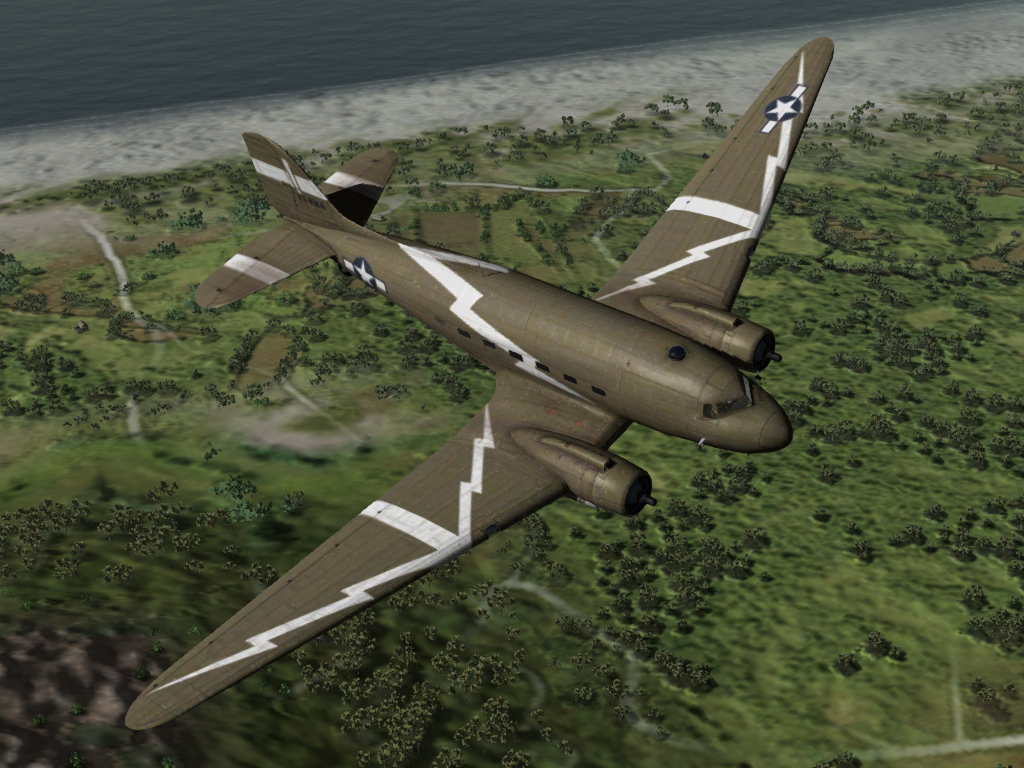
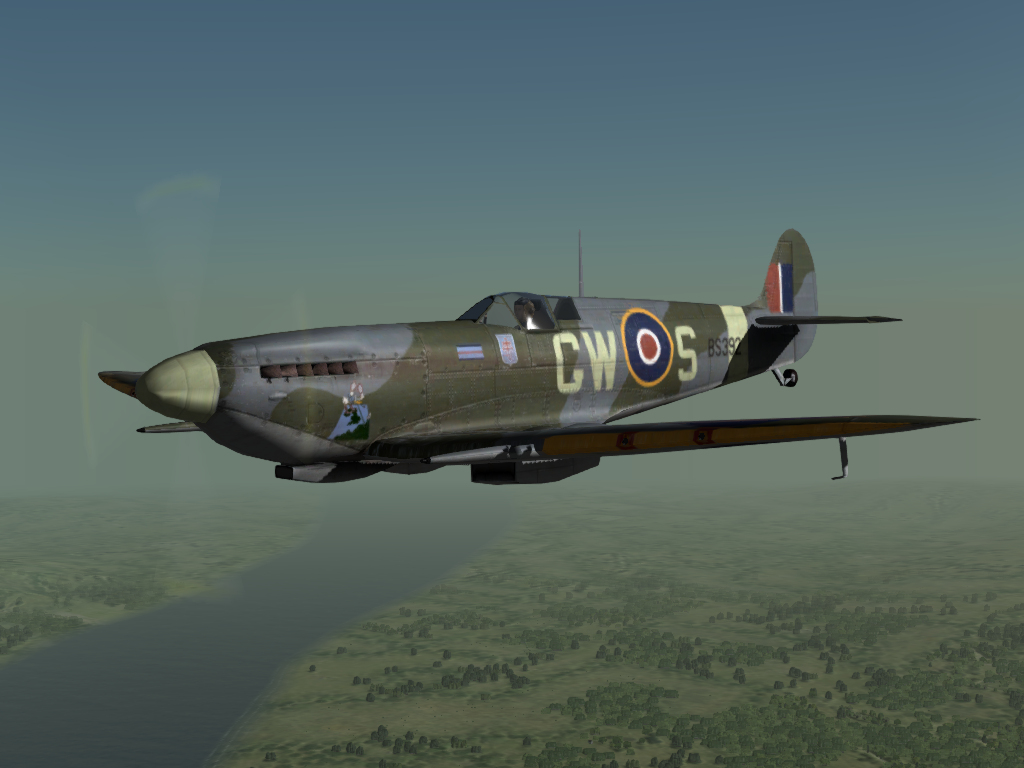
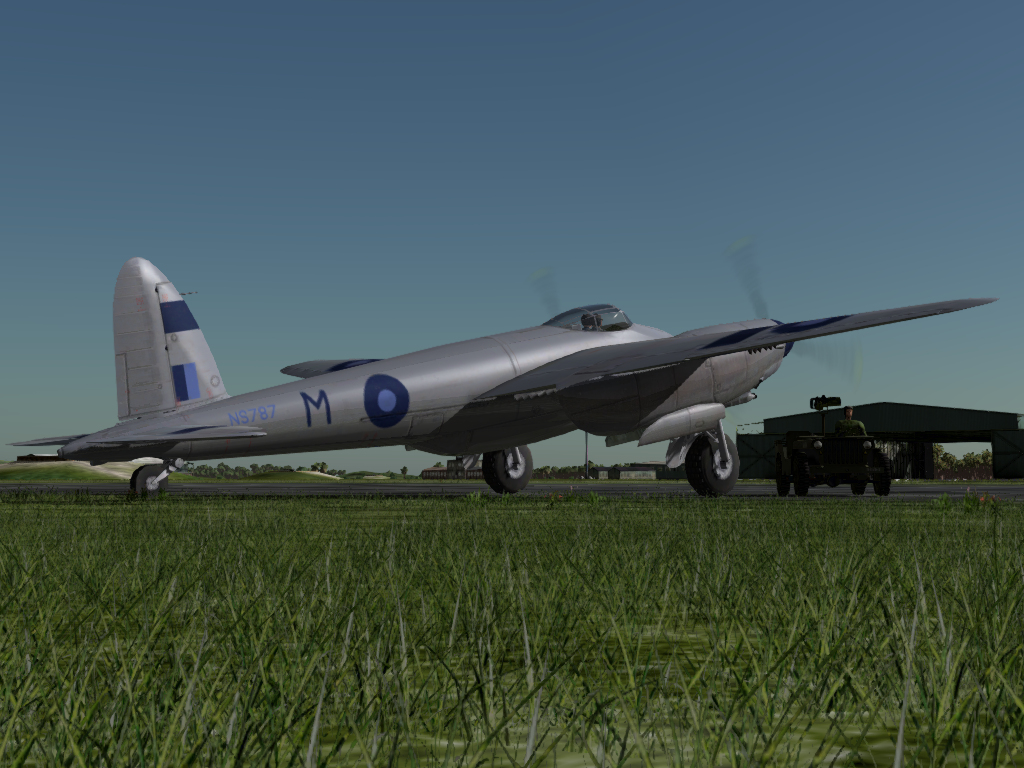
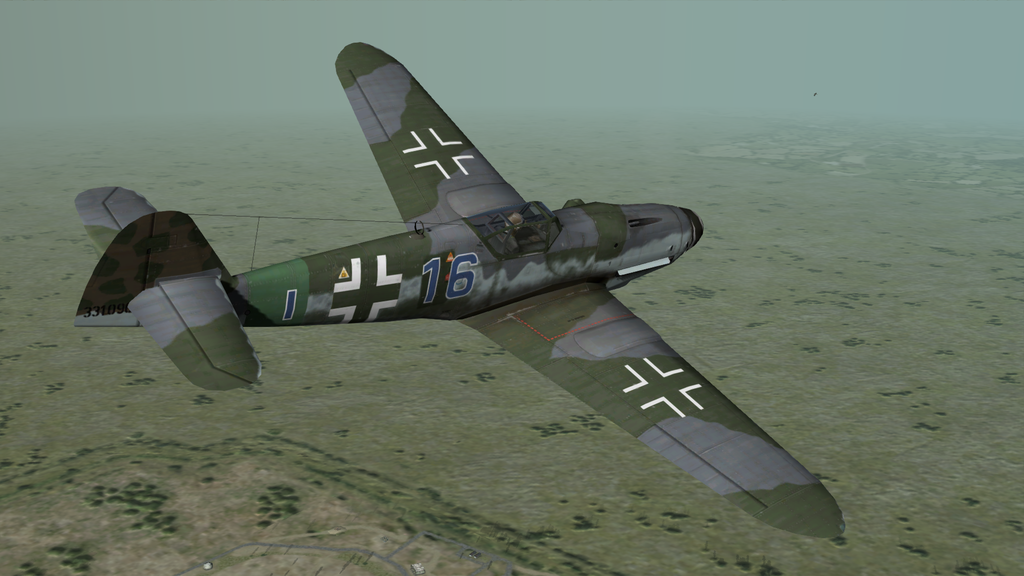
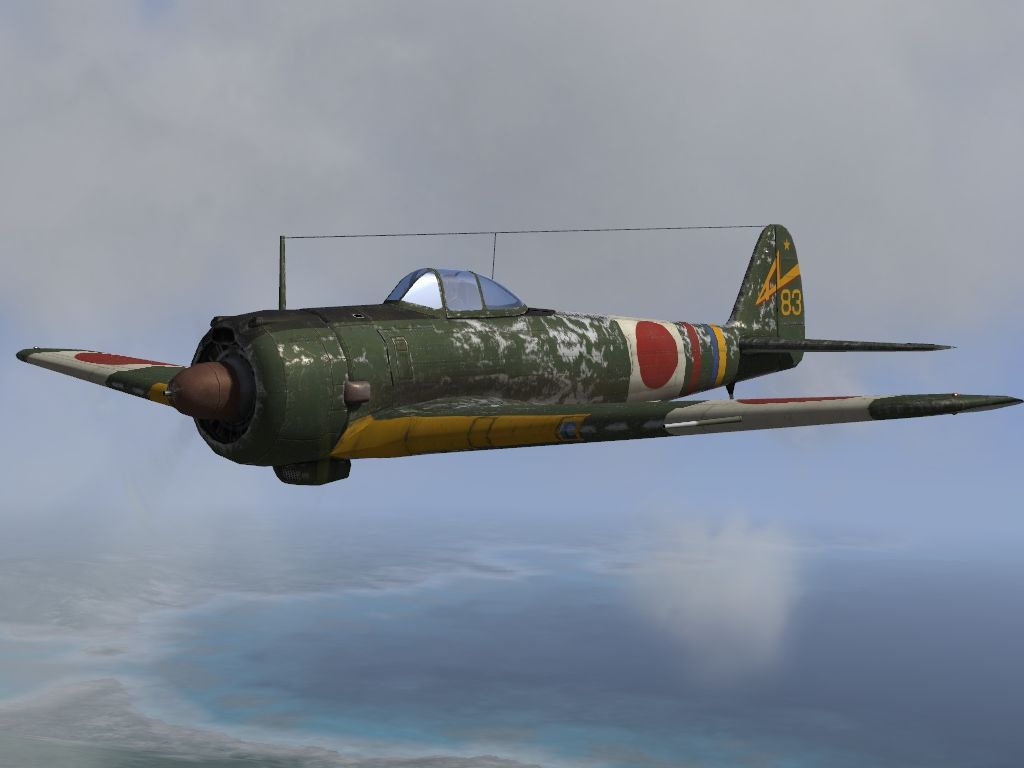
Combat simulator games have long been a staple of the gaming industry, captivating players with their intense action and tactical depth. Titles like ARMA 3, Squad, Aces High, and Escape from Tarkov aim to replicate the chaos and strategy of real-world combat scenarios, appealing to enthusiasts who crave an authentic experience. But just how realistic are these games? While advancements in technology have brought us closer to mimicking real-life combat, significant gaps remain due to the complexities of warfare and the limitations of gaming as a medium.
Realistic Mechanics and Immersion
Modern combat flight simulators emphasize detailed mechanics to immerse players in the battlefield. For example, ARMA 3 incorporates realistic ballistics, where factors like bullet drop, wind, and weapon recoil influence accuracy. Players must account for these elements to effectively engage targets, mirroring the challenges faced by real-world marksmen. Similarly, games like Squad focus on teamwork and communication, requiring players to coordinate strategies, manage supplies, and relay information through realistic radio systems.
Environments in combat simulators are also meticulously crafted. Developers utilize satellite data and geographic modeling to design maps that resemble actual terrains, complete with varying weather conditions and day-night cycles. These elements force players to adapt their strategies, mimicking the unpredictability of real-world combat.
Physical and Psychological Factors
While combat simulators excel in technical accuracy, they often struggle to replicate the physical and psychological realities of war. For instance, games cannot fully convey the exhaustion of carrying heavy equipment for extended periods or the physical toll of prolonged combat engagements. Stamina systems in games are often simplified, serving as a gameplay mechanic rather than an authentic representation of human endurance.
The psychological dimension of warfare—fear, stress, and the moral dilemmas soldiers face—remains even harder to simulate. While games like Escape from Tarkov incorporate high-stakes mechanics, such as permanent loss of gear upon death, they fall short of replicating the visceral fear of real combat. Virtual scenarios lack the life-or-death stakes that soldiers experience, which significantly impacts decision-making in real warfare.
Balancing Realism and Accessibility
One of the primary challenges for developers is balancing realism with accessibility. Hardcore simulations, while highly detailed, often alienate casual players with steep learning curves. For instance, games like DCS World, a flight combat simulator, require players to master complex controls and procedures that mirror real-world military aircraft. While these games cater to enthusiasts, they can be intimidating for newcomers.
To broaden their appeal, some combat flight sim games introduce compromises. Features such as simplified controls, customizable difficulty levels, and user-friendly interfaces help make the games more accessible but may detract from their realism. Striking this balance is essential for maintaining a dedicated player base while attracting new audiences.
Conclusion
Combat simulator games have made impressive strides in replicating the mechanics and strategies of real-world warfare. Advances in graphics, physics, and AI contribute to their authenticity, allowing players to experience aspects of combat in a controlled, virtual environment. However, the limitations of the medium mean these games cannot fully capture the physical and psychological complexities of war. Ultimately, combat simulators offer a blend of realism and playability, providing a compelling glimpse into military scenarios while remaining firmly rooted in the realm of entertainment.
Try the free two week download of Aces High and see if you enjoy combat simulator games.