When most people think of online games, they picture glowing screens, fast reflexes, and lots of clicking. What they may not realize is that hidden beneath the virtual layers of fantasy worlds, battlefields, and flight simulators is a surprising side effect: online games are teaching players real-life skills—sometimes without them even realizing it.
Gone are the days when gaming was viewed strictly as a waste of time. Today, educators, psychologists, and employers alike are beginning to recognize how deeply immersive games can foster personal growth and skill development. Whether you're navigating a complex quest in an MMORPG, leading a squad in a military simulator, or managing resources in a strategy game, chances are you're picking up a few transferable skills along the way.
Teamwork Makes the Dream Work
One of the most valuable skills that gamers often pick up is collaboration. Online games, especially those that revolve around group objectives—like raiding in World of Warcraft or coordinating attacks in Call of Duty—demand effective communication, delegation, and problem-solving. These aren't just in-game skills; they're exactly what employers look for in team-based work environments.
Gamers learn how to read social cues via chat or voice, resolve disputes quickly, and adapt strategy on the fly. This constant interaction often develops a player's emotional intelligence, conflict resolution skills, and even cultural awareness when playing with people from around the globe.
Decision-Making Under Pressure
Many online games simulate high-stakes environments. A single wrong move in a real-time strategy game like StarCraft or a mistimed command in a first-person shooter can turn the tide of the match. As a result, players quickly learn how to make decisions under pressure—processing information rapidly, weighing the pros and cons, and choosing the best course of action.
This skill translates directly into high-pressure environments in real life, like emergency response, leadership roles, or high-stakes negotiations. Knowing how to stay calm and decisive when it counts can be a major life asset, and online gaming provides a safe (and entertaining) training ground.
Critical Thinking and Strategy
Many online games require more than fast fingers—they demand brainpower. Tactical shooters, grand strategy games, and simulators all reward players who can analyze situations, plan ahead, and adapt their plans based on changing circumstances.
For instance, in games like Civilization VI, players must consider economics, diplomacy, and military strength across multiple turns and opponents. This kind of strategic planning is strikingly similar to the type of thinking required in project management, financial planning, or even urban development.
Even battle royale games like Fortnite require a surprising amount of quick strategic thinking, like choosing landing spots, managing inventory, and reading terrain—all while avoiding enemies. It’s fast, fun, and teaches players how to prioritize and problem-solve in real time.
Leadership and Responsibility
In games with guilds, clans, or teams, leadership roles emerge organically. Whether you're leading a 25-person raid in Destiny 2 or acting as a squad commander in a military sim, players often step up to lead—learning to inspire, organize, and keep morale high.
These experiences offer a sandbox for leadership development, allowing players to test ideas, refine communication styles, and reflect on what makes a team successful. It's no wonder that some HR departments are beginning to look at online gaming experience as a sign of potential leadership capability, especially in young adults.
Learning Through Failure
Perhaps one of the most overlooked real-world skills learned from online games is resilience. Games naturally encourage a trial-and-error approach. You try, you fail, you learn—and then you try again. Gamers become comfortable with failure because it's built into the experience. There's always another round, another boss, another chance to get it right.
This mindset is gold in real life, where failure can often feel like a setback rather than an opportunity. Gamers are used to pushing through difficulty, improving through effort, and maintaining motivation even when the odds are tough. That's a mindset many people spend years developing—and online gamers get it for free.
The Real Skill Tree: Gaming’s Impact on Life
Whether you're building bases, flying missions, or leading virtual armies, online gaming is no longer just about fun and escape. It’s a place where life skills—like critical thinking, decision-making, communication, and leadership—can be sharpened with every session. As the world becomes more digitized and remote work grows more common, these soft skills are becoming even more valuable.
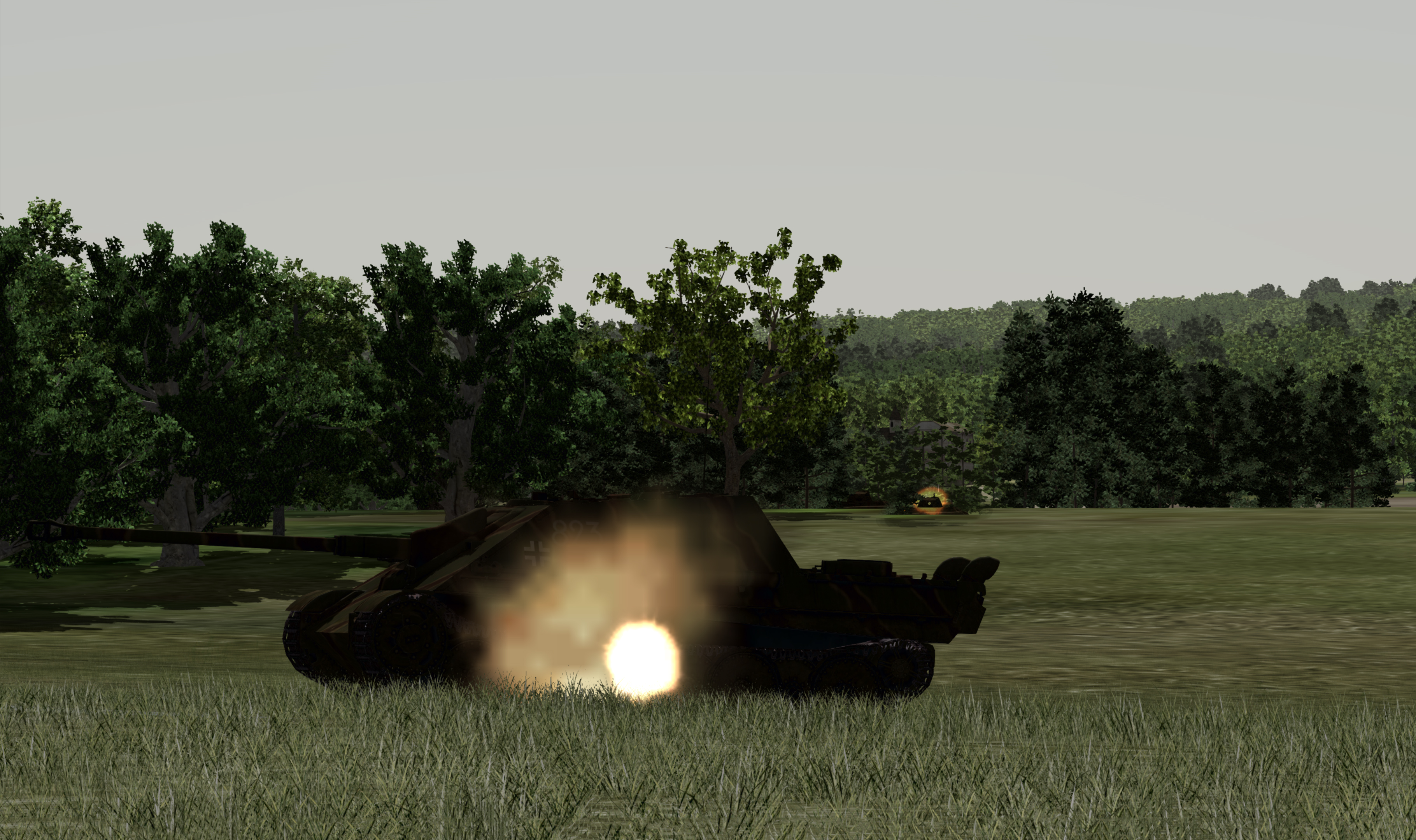
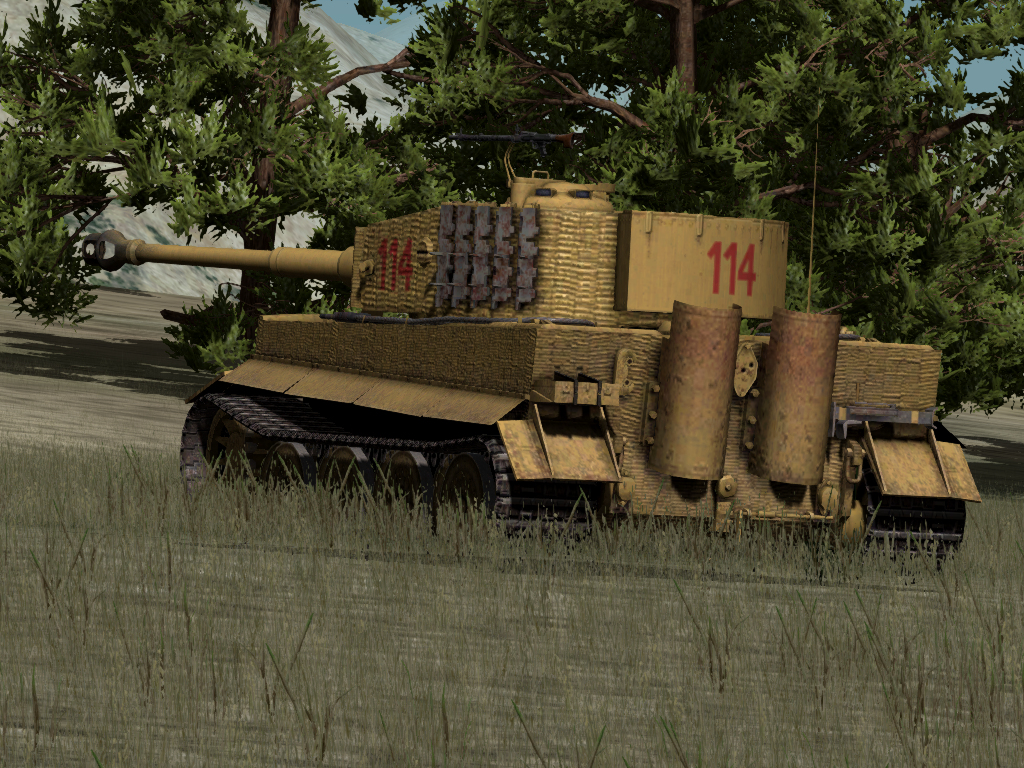
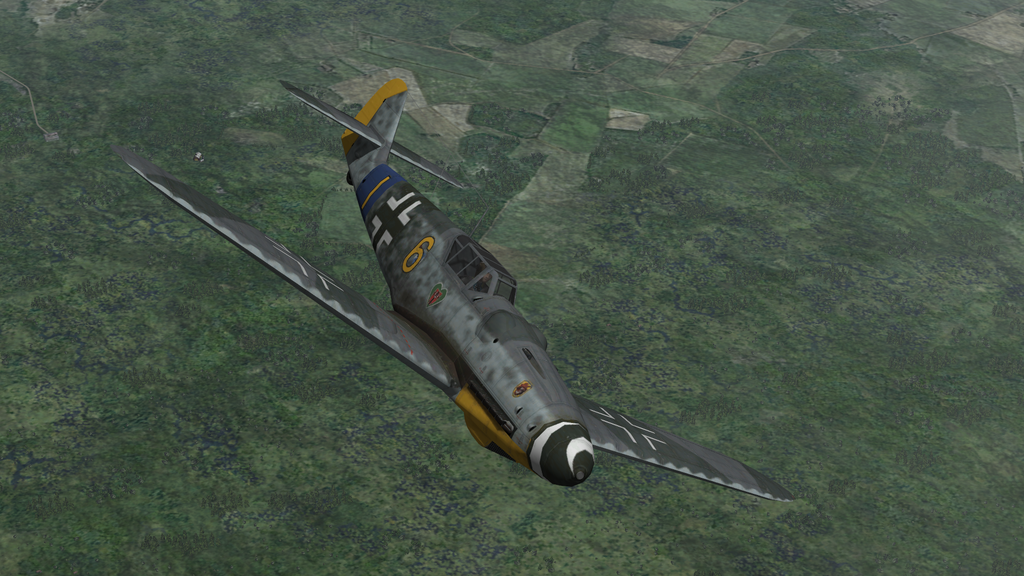
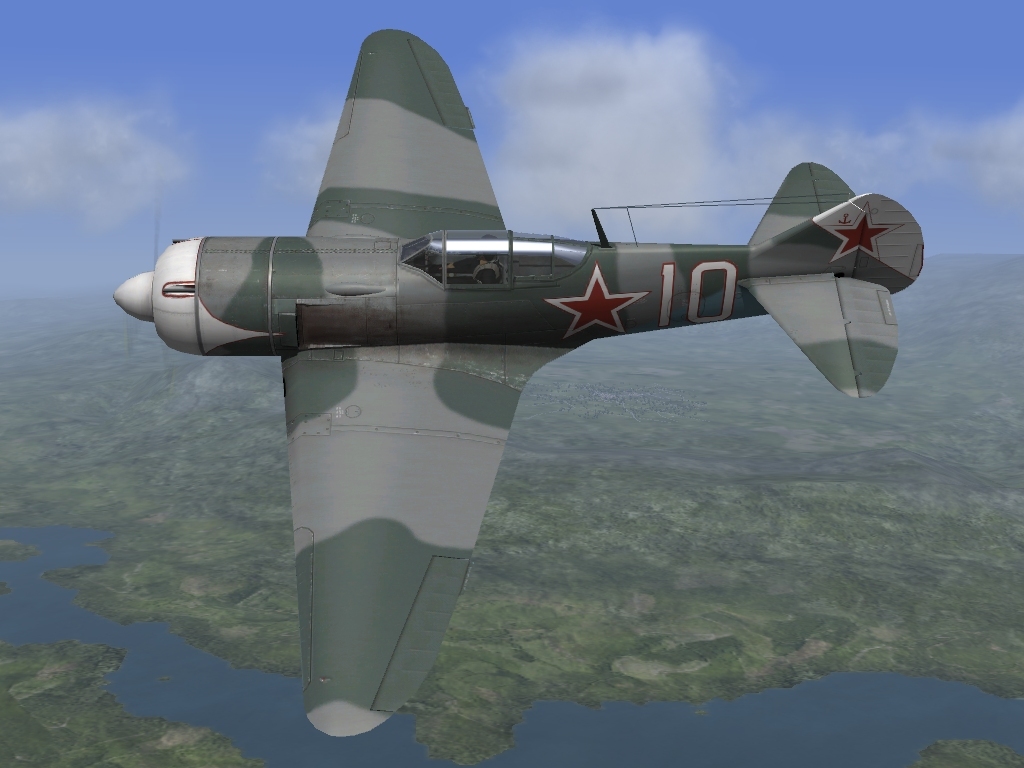
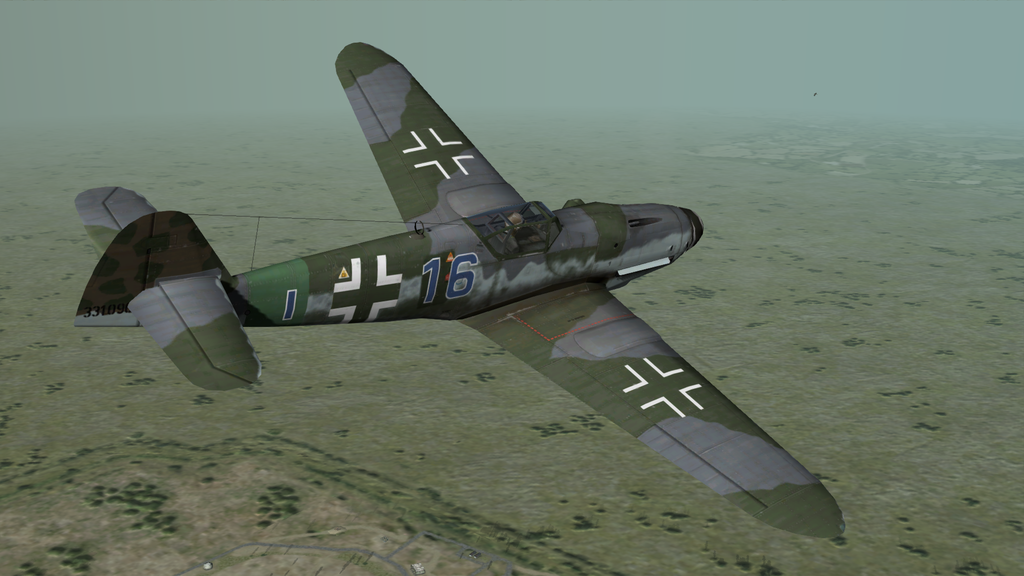
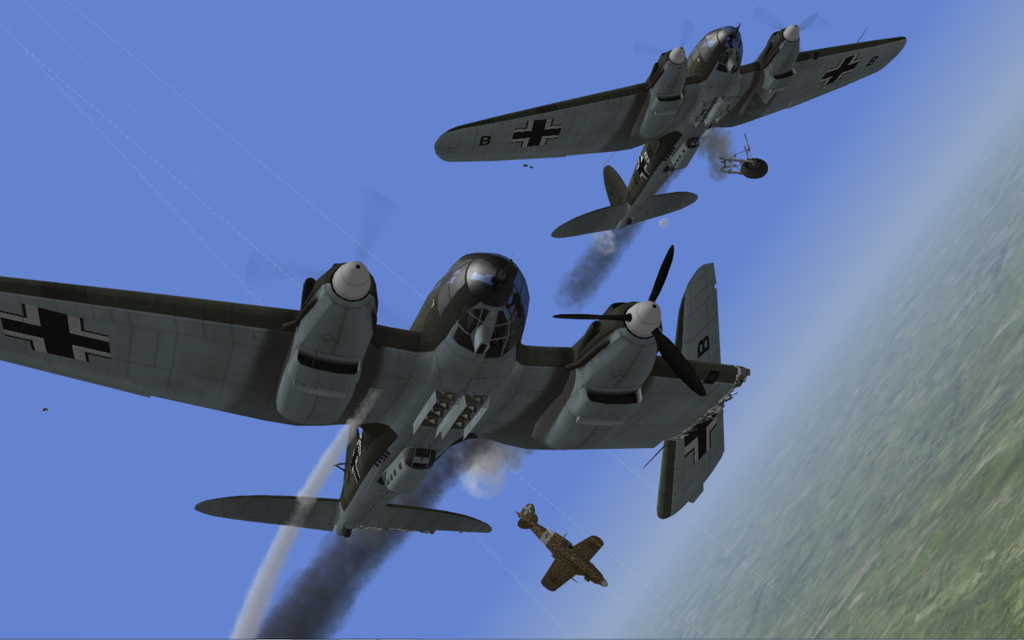
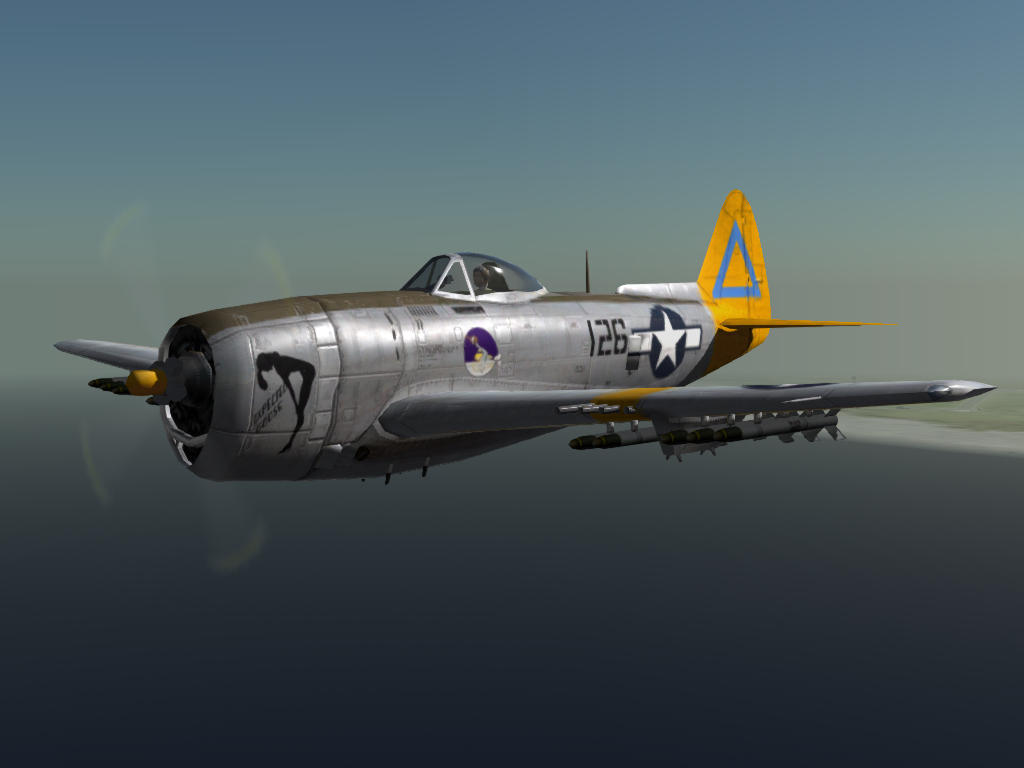
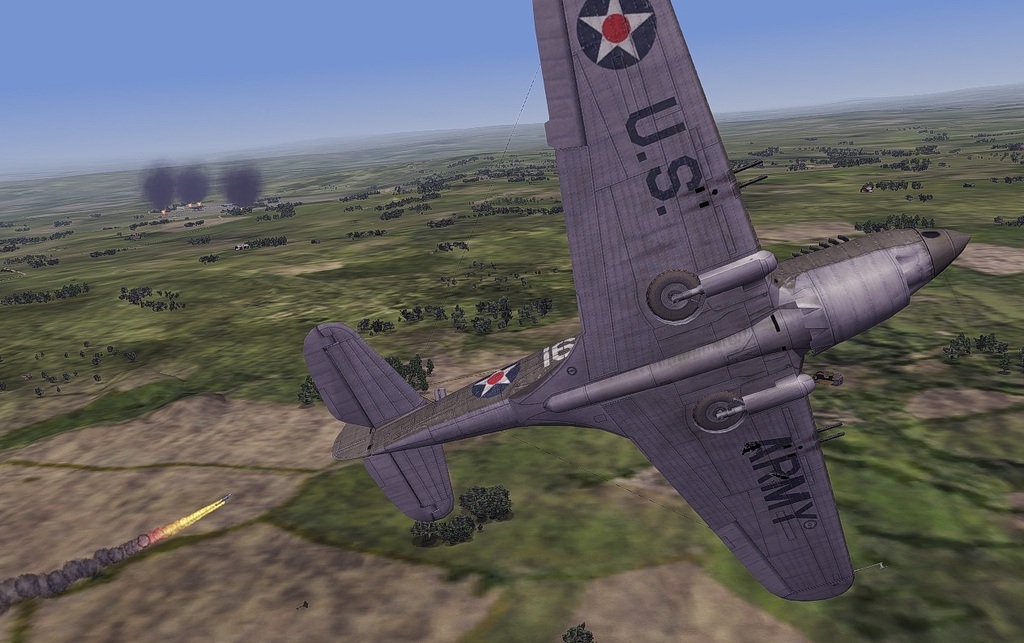
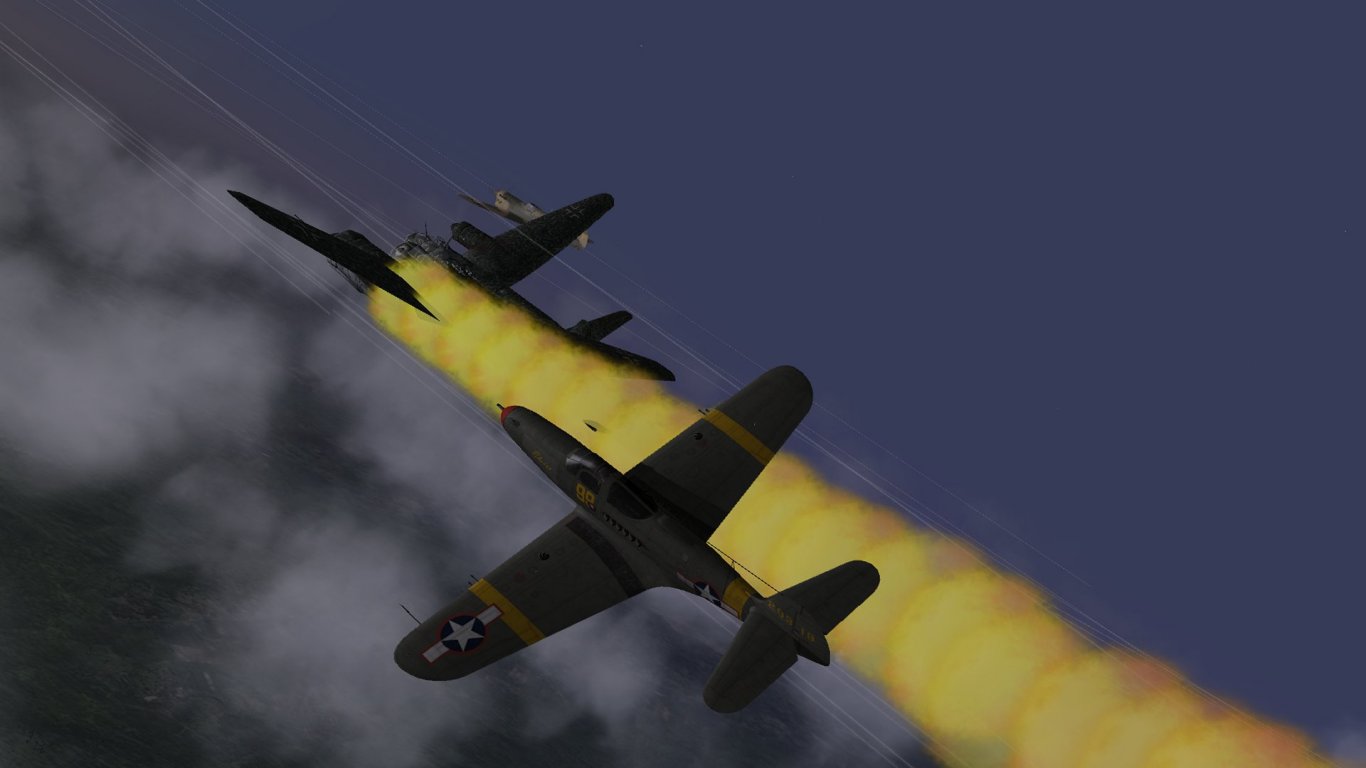
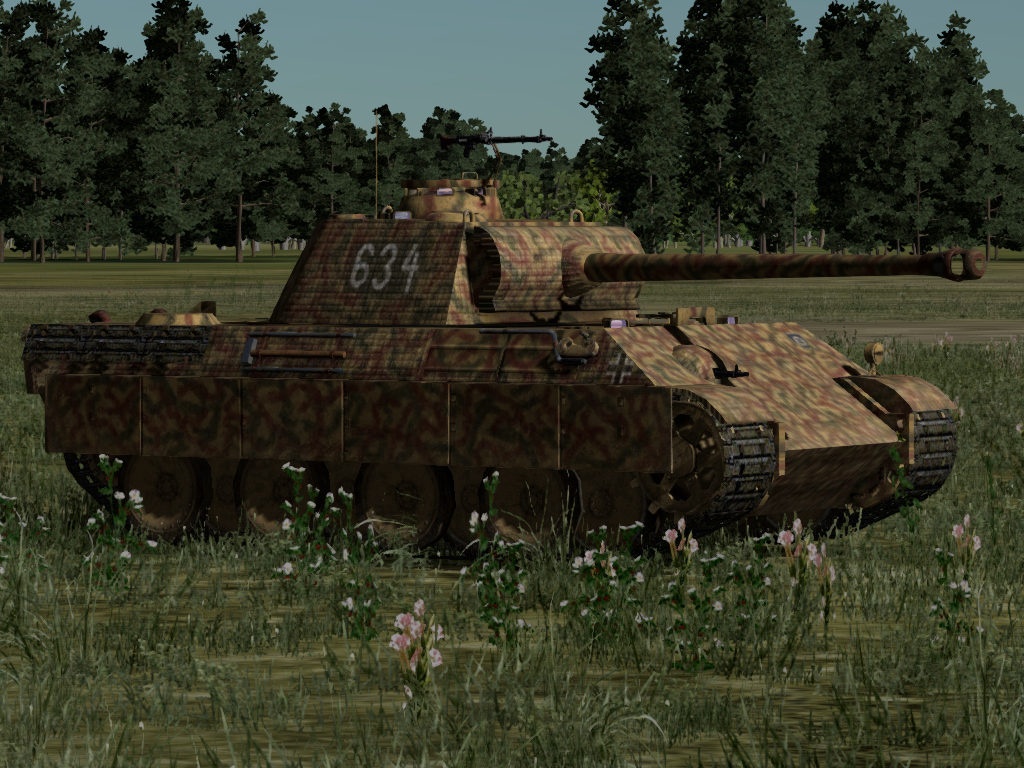
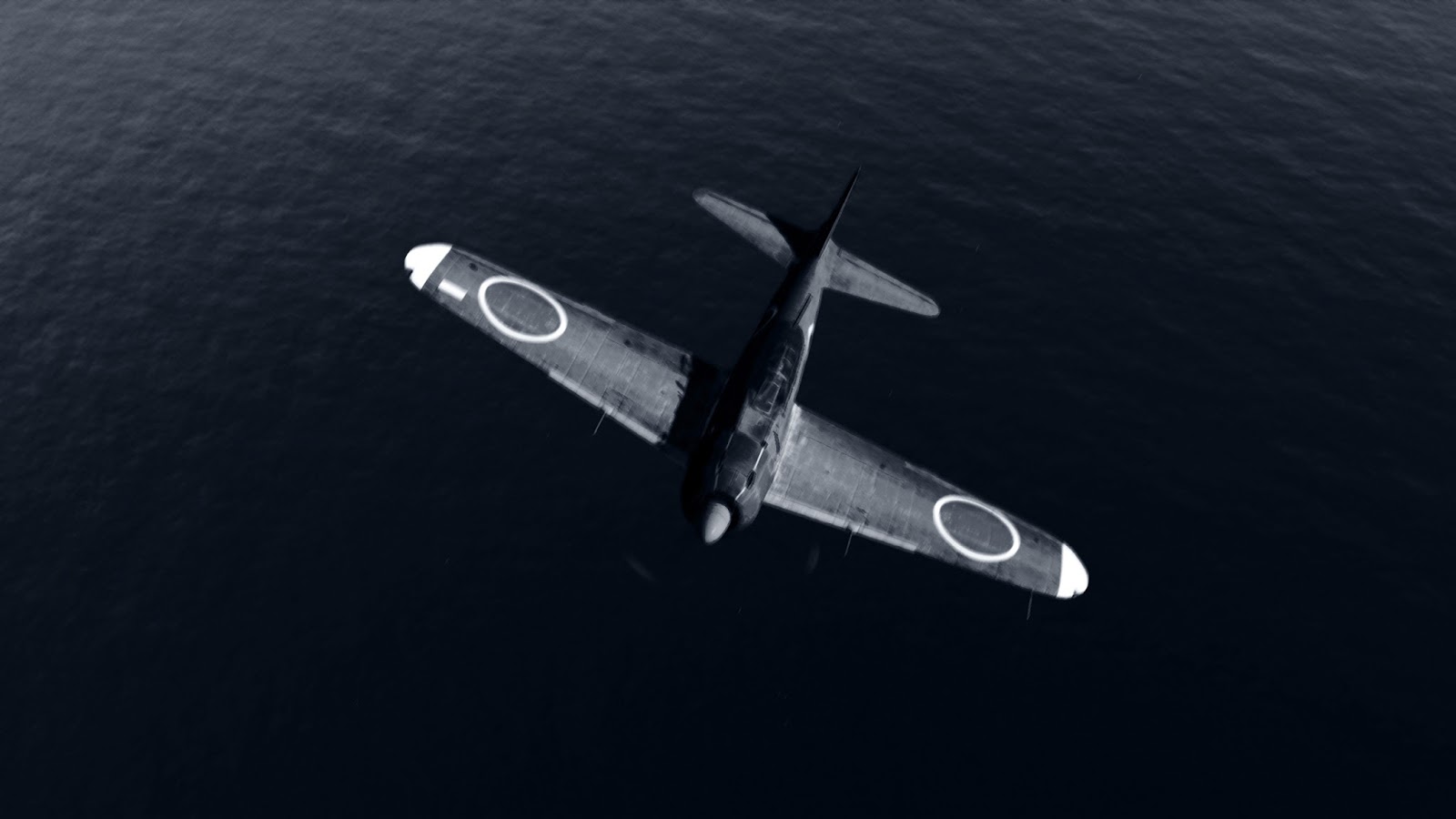
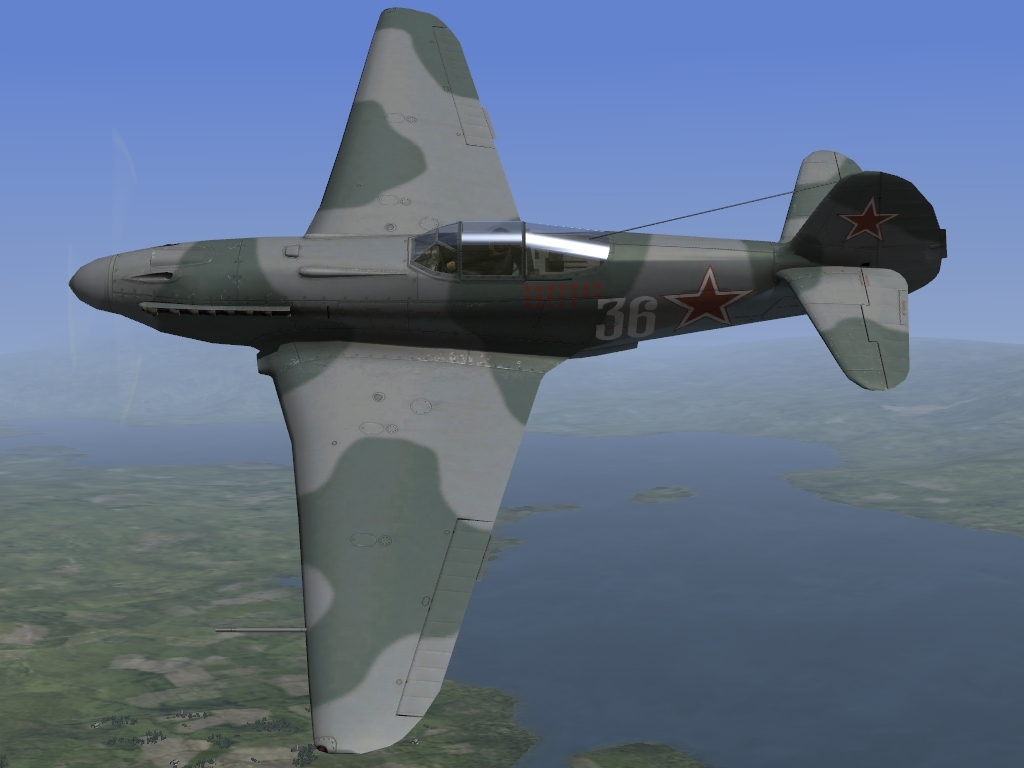
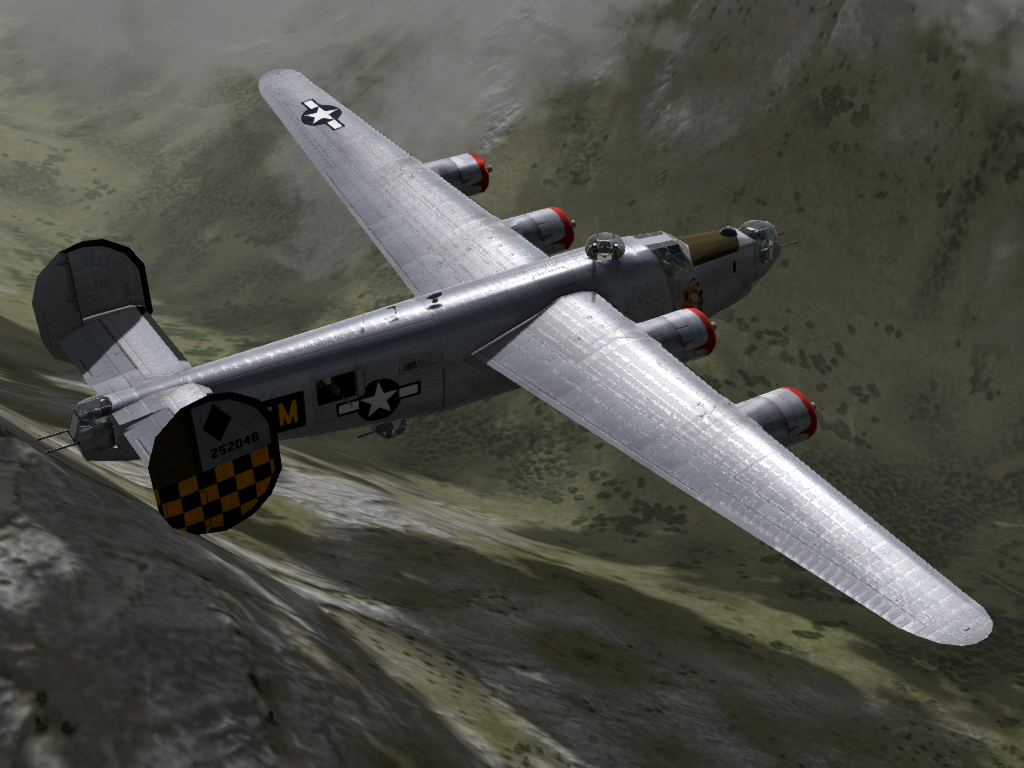
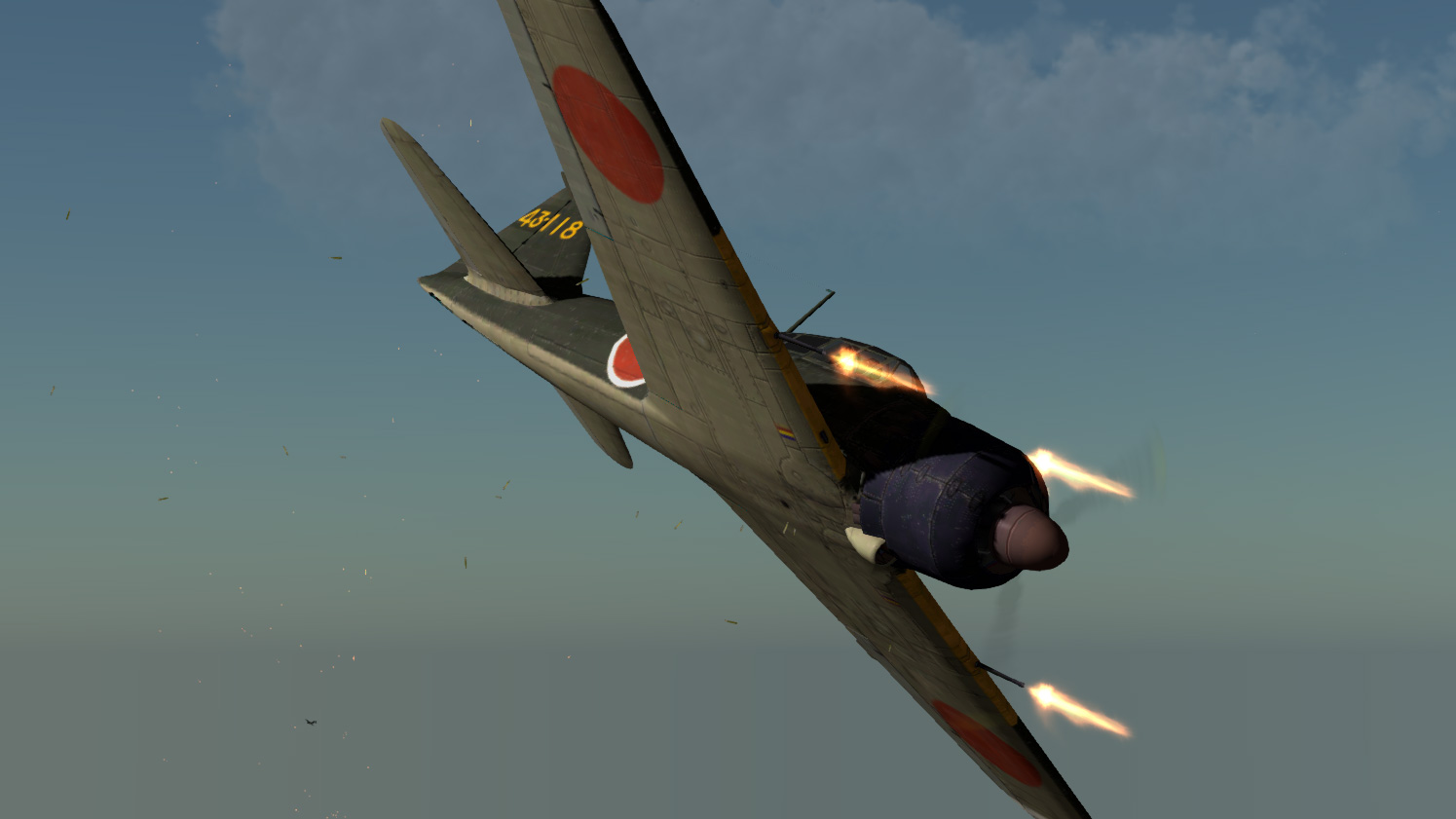
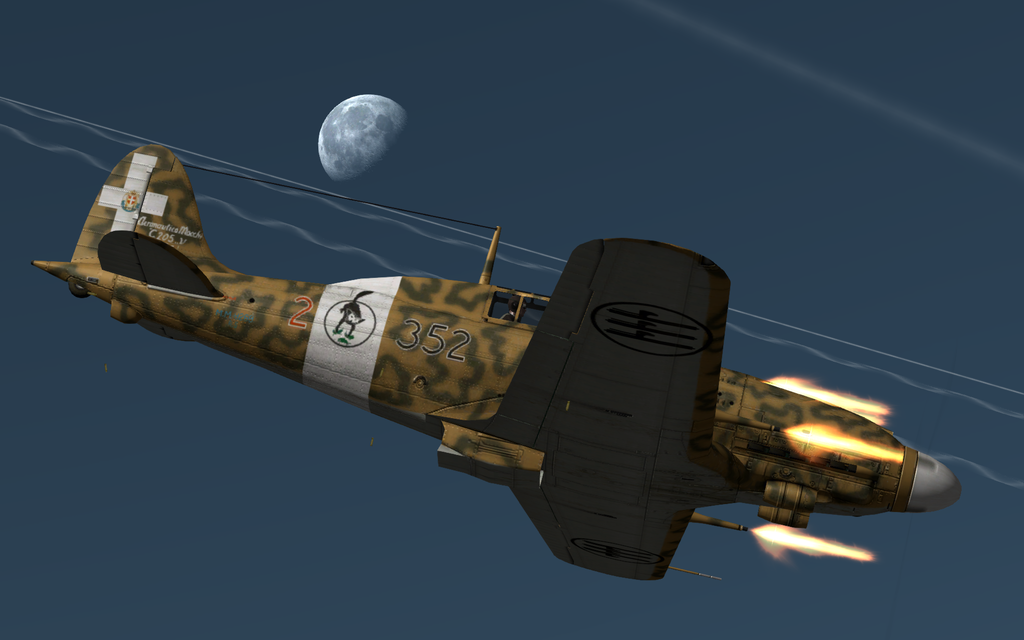
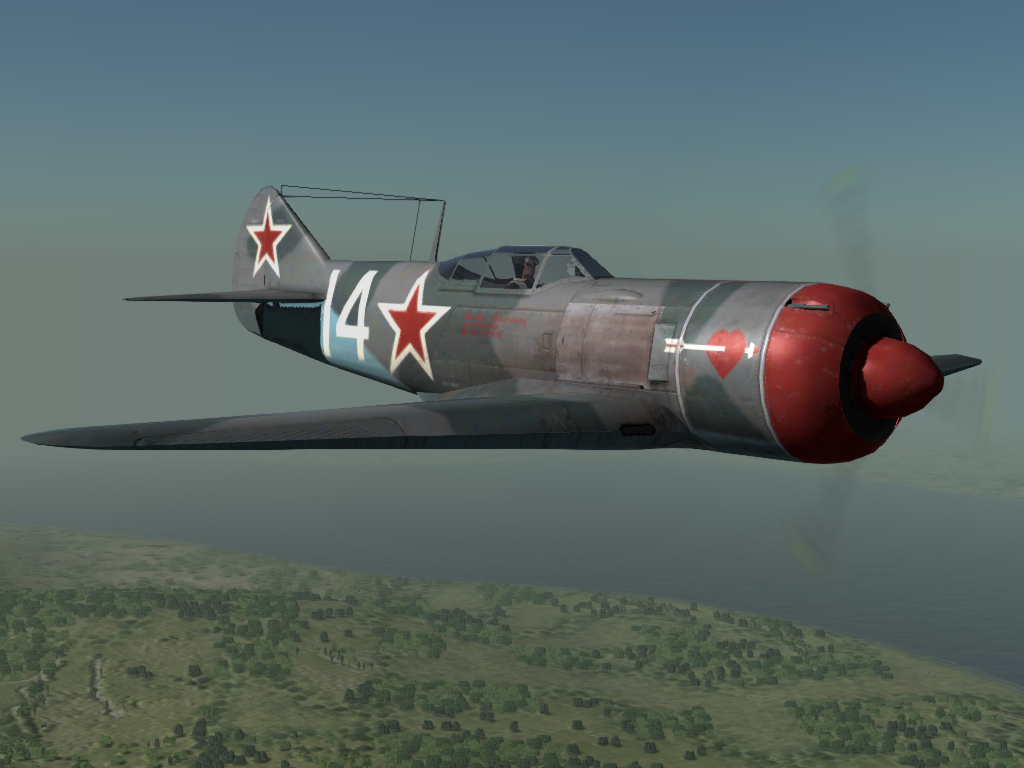
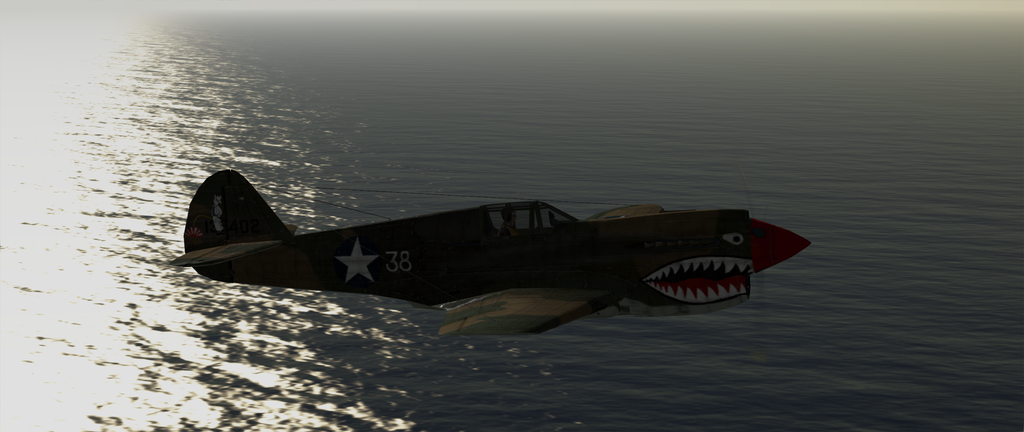
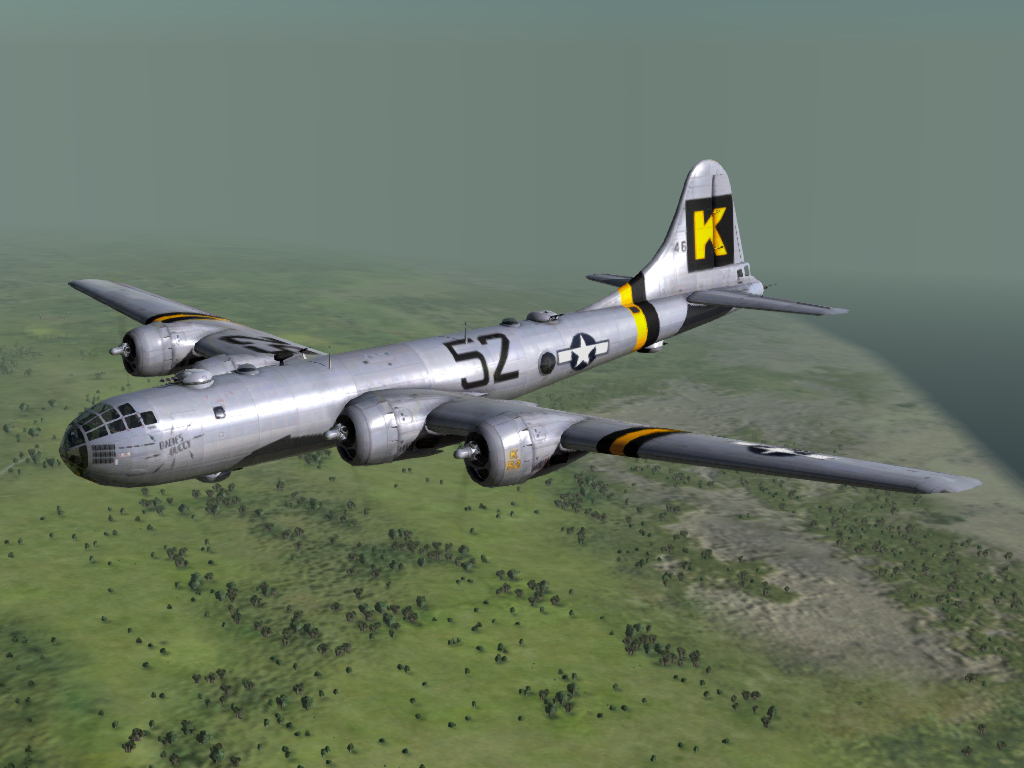
One great example of this is Aces High by HiTech Creations—a massively multiplayer combat flight simulator that requires both tactical coordination and historical knowledge. Players not only engage in detailed air battles using World War II-era aircraft, but they also manage teamwork, communication, and mission strategy with real players around the world. It’s not just a game; it’s a virtual training ground for real-life skills in leadership, aviation awareness, and split-second decision-making. For those looking to sharpen their minds while soaring the skies, Aces High is a perfect example of how online gaming can help you level up—in more ways than one.